Termites vs Ants: How to Tell the Difference
Can't tell termites from ants? Our guide shows you exactly how to distinguish them—critical because the treatment is completely different. Identification tips and what to do.
Spotting small insects in or around your home and wondering: “Is it termites or ants?” This is one of the most common questions Australian homeowners face—and getting the answer right matters enormously.
Why? Because termites and ants require completely different treatments. Treating ants when you have termites (or vice versa) means the real problem continues unchecked.
At MR Solutions, we help Adelaide homeowners correctly identify pest problems and apply the right solution.
Quick Reference: Termites vs Ants at a Glance
| Feature | Termites (White Ants) | Ants |
|---|---|---|
| Body shape | Thick, uniform body—no pinched waist | Pinched, narrow waist |
| Antennae | Straight, bead-like segments | Elbowed (bent at an angle) |
| Wings (if present) | Two pairs of equal length, longer than body | Two pairs—forewings longer than hindwings |
| Colour | Usually pale, creamy white to light brown | Usually dark—black, brown, sometimes red |
| Diet | Cellulose—wood, paper, cardboard, plant material | Varied—sweet foods, proteins, scavengers |
| Damage type | Structural timber damage—eat wood from inside out | Nuisance pests; carpenter ants excavate but don’t eat wood |
| Treatment | Soil barriers, baiting systems, specific termiticides | Baiting, surface sprays, different products |
| Relationship | More closely related to cockroaches | Related to bees and wasps |
The Most Common Confusion: Flying Ants vs Flying Termites
One of the most common identification challenges occurs when winged reproductive ants and termites emerge—which happens in warmer months.
Flying Termites (Alates)
When termite colonies mature, they produce winged reproductive termites that leave the colony to find mates and start new colonies.
Flying termite appearance:
- Body: Thick, uniform, pale/creamy white
- Wings: Two pairs of equal length, translucent, longer than the body
- Antennae: Straight
- Waist: No constriction—thick body throughout
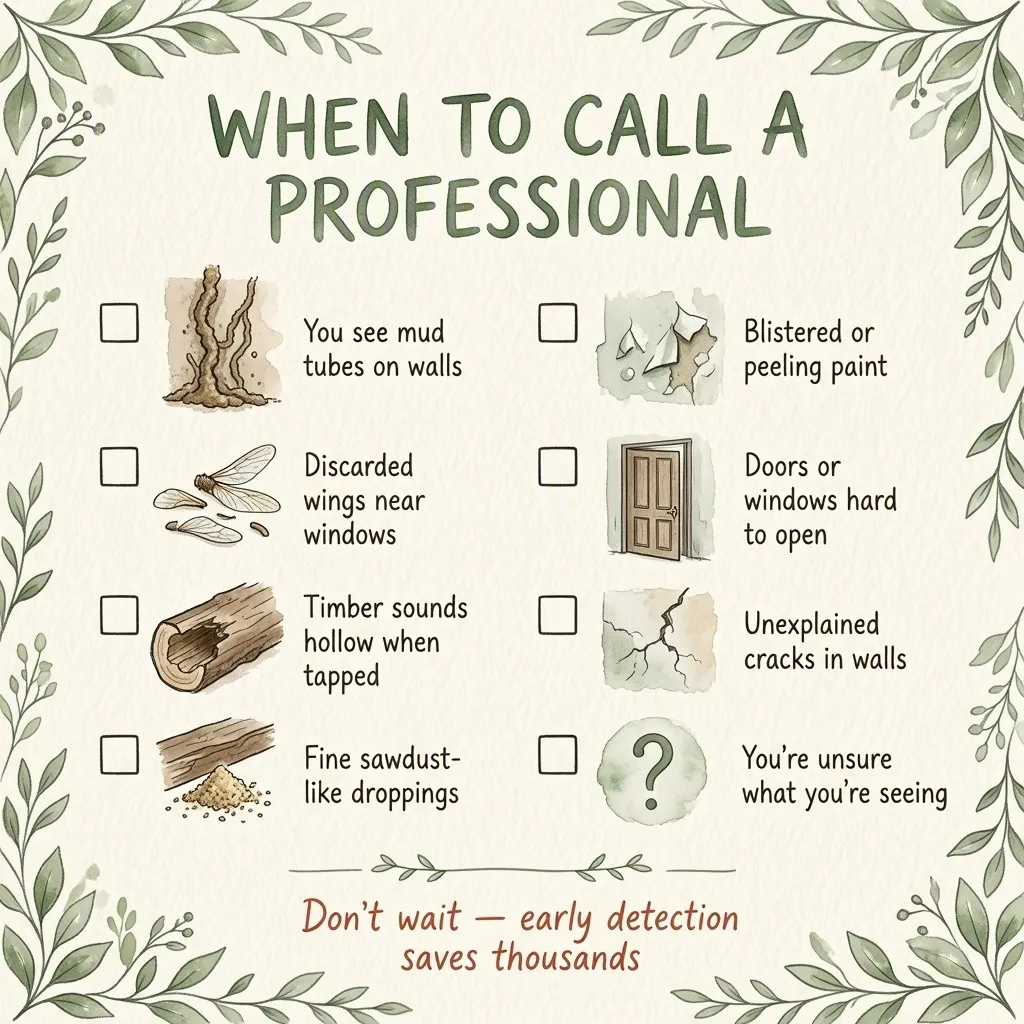
What you’ll see: Piles of discarded wings near windowsills, door frames, or spider webs. The wings are all the same size—a tell-tale sign of termites.
Flying Ants (Alates)
Ant colonies also produce winged reproductive ants during specific seasons.
Flying ant appearance:
- Body: Distinct pinched waist
- Wings: Two pairs of unequal length—forewings longer than hindwings
- Antennae: Elbowed, bent
- Colour: Usually dark—brown or black
Quick Flying Insect ID Test
| Observation | Likely Termite | Likely Ant |
|---|---|---|
| Wings are equal length | ✓ | |
| Wings are unequal length (front longer) | ✓ | |
| Body has pinched waist | ✓ | |
| Body is thick, no waist | ✓ | |
| Colour is pale/white | ✓ | |
| Colour is dark brown/black | ✓ | |
| Antennae are straight | ✓ | |
| Antennae are bent/elbowed | ✓ |
Important: If you find piles of wings, check if they’re all the same size (termite wings are equal) or different sizes (ant forewings and hindwings differ). Equal-sized wing piles strongly suggest termites.
Visual Comparison: Side-by-Side
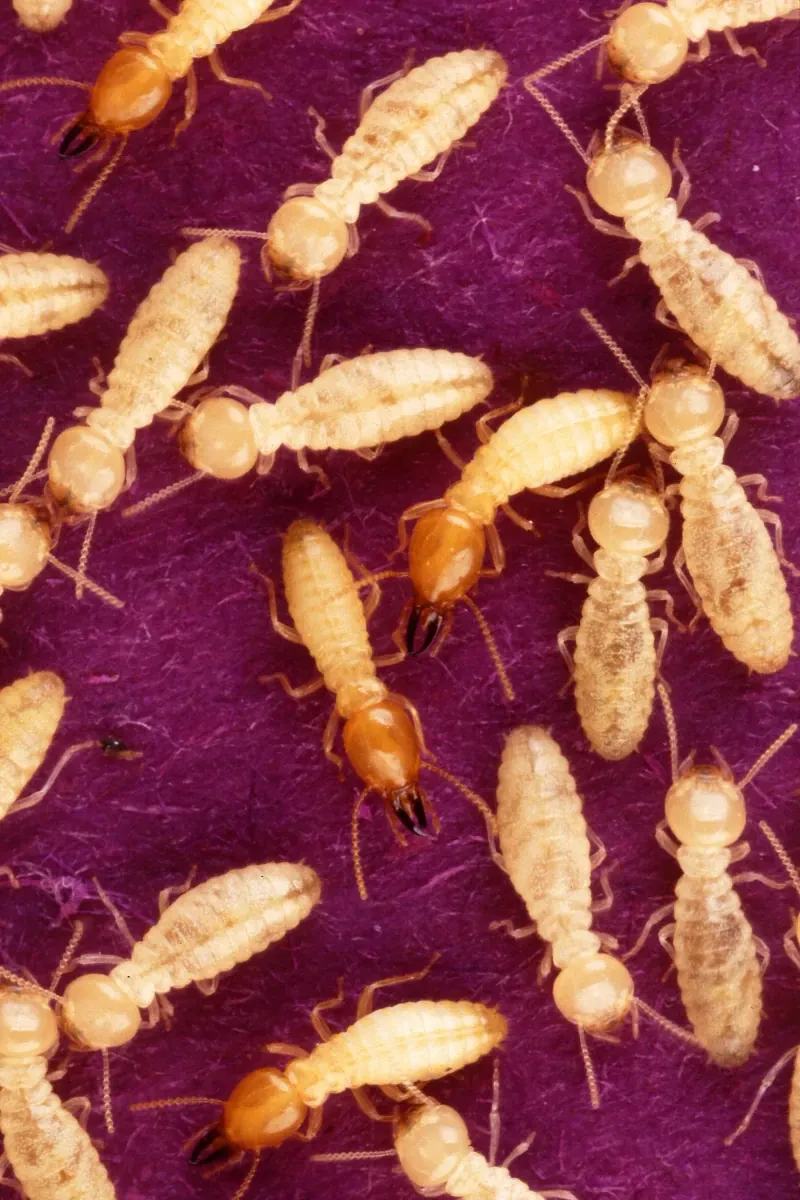
Termite Worker
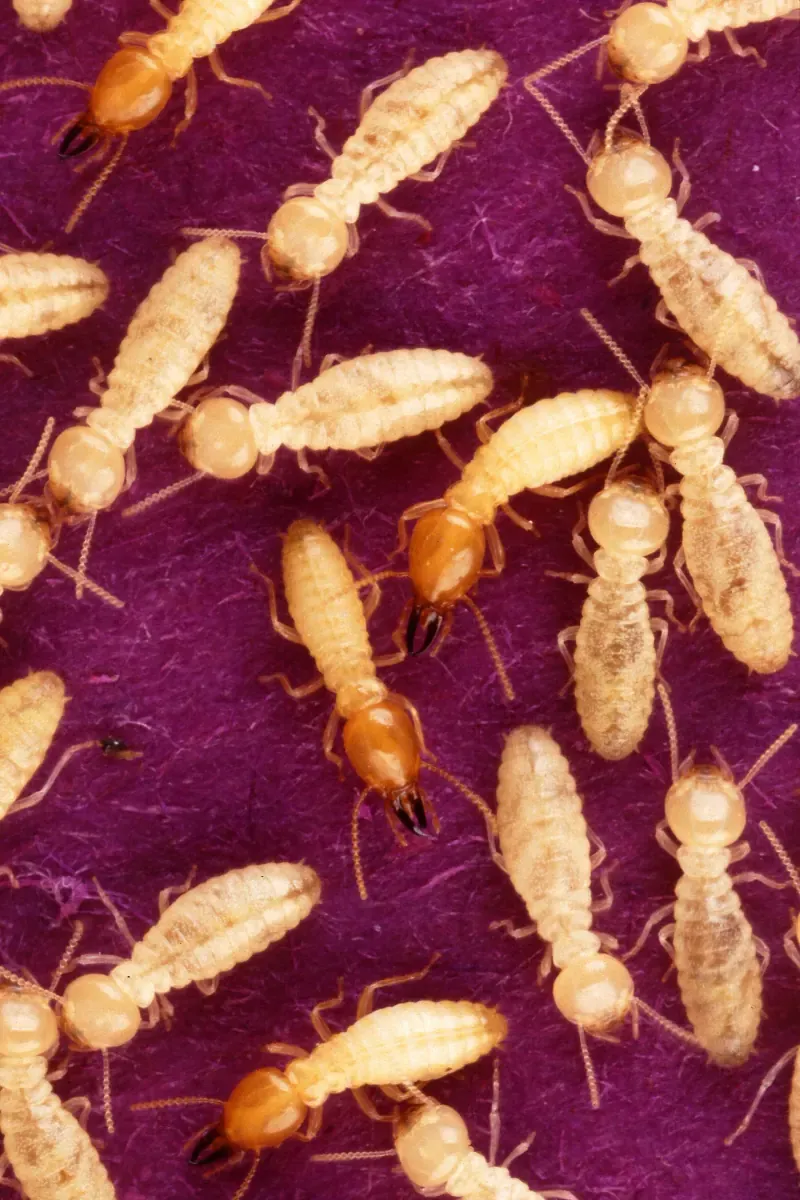
Imagine a small, pale, soft-bodied insect:
- No visible waist—body is thick and uniform from head to abdomen
- Straight antennae that look like a string of small beads
- Colour: creamy white to light brown, often translucent
- Size: workers are typically 3-10mm
Ant Worker
Imagine a small, dark insect with a distinct hourglass shape:
- Clear pinched waist—narrow constriction between thorax and abdomen
- Elbowed antennae—bend at an angle like an elbow
- Colour: typically black, brown, or reddish
- Size: varies by species, typically 2-15mm
Why Correct Identification Matters
Treatment Is Completely Different
| If it’s… | Effective Treatment |
|---|---|
| Termites | Soil chemical barriers, baiting systems, direct termiticide application. Products are specific to termites. |
| Ants | Ant baits, surface sprays for ants, different active ingredients. Ant treatment won’t affect termites. |
Using ant treatment for termites: Useless. The products don’t affect termites. Termite colony continues damaging your home.
Using termite treatment for ants: Might kill some ants incidentally, but not targeted or efficient for ant control.
Damage Potential Is Vastly Different
Termites: Cause structural damage to timber framing, floorboards, skirting boards, and furniture. Damage costs Australians over $100 million annually. Most home insurance doesn’t cover termite damage.
Ants: Most are nuisance pests—they don’t damage structures. Exception: Carpenter ants excavate wood for nesting (but don’t eat it like termites). Less common in Adelaide.
Special Case: Carpenter Ants vs Termites
Carpenter ants (Camponotus species) are the exception among ants—they interact with wood.
Carpenter Ants
- Don’t eat wood — They excavate wood to create nesting galleries
- Prefer moist, decaying wood — Often indicate moisture problems
- Leave signs — Smooth, clean excavation galleries; sawdust-like frass; slit-like entry holes
- Size: Large ants, 6-12mm, black
Termites
- Eat wood — They consume cellulose, eating through timber
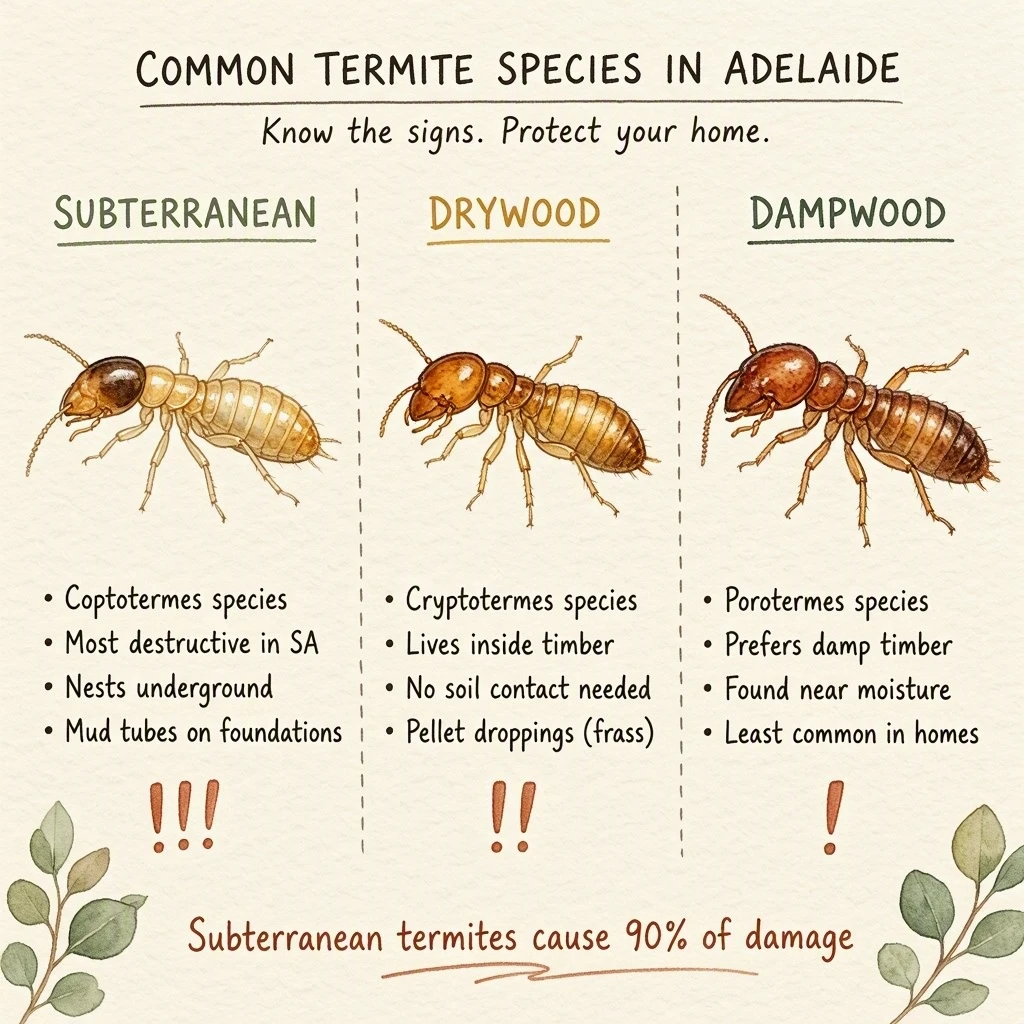
- Leave signs — Mud tubes, hollow-sounding timber, frass (for drywood termites)
- Damage: More extensive, faster than carpenter ants
Telling Carpenter Ant Damage from Termite Damage
| Feature | Carpenter Ant Damage | Termite Damage |
|---|---|---|
| Wood appearance | Smooth, clean galleries; slit-like holes | Rough, damaged wood; may have mud or frass |
| Frass (droppings) | Sawdust-like, fine | Varies—drywood termites leave pellet-like frass; subterranean termites use mud |
| Mud tubes | No | Yes (subterranean termites) |
| Moisture association | Often indicates moisture problem | Termites create their own moisture pathways |
Bottom line: If you see damage to timber, have a professional inspection to determine whether it’s termites or carpenter ants.
What to Do If You’re Unsure
- Don’t disturb them — Avoid spraying before identification. Samples help.
- Capture a sample — If safe, capture a few specimens in a sealed container for identification
- Document what you see — Note location, appearance, numbers, wings, any timber damage
- Call a professional for inspection — MR Solutions can identify whether you have termites or ants and recommend treatment
Adelaide-Specific Considerations
Seasonal Patterns
- Spring to summer: Both termite and ant activity increase. Winged reproductives may emerge.
- Warm, humid conditions: Favourable for both pests.
- After rain: Termite activity often increases.
Common Misidentifications in Adelaide
- Flying ant swarms (common in summer) vs flying termite swarms (less common, but do occur)
- Carpenter ants in properties with moisture issues vs termites in similar conditions
- Small brown ants vs small termite workers (termite workers are pale, ants are usually darker)
Prevention: Reducing Both Ant and Termite Risk
For Ants
- Sanitation — Remove food sources: seal food, clean spills, manage waste
- Seal entry points — Gaps around windows, doors, pipes, vents
- Reduce moisture — Fix leaks, reduce condensation
- Exterior management — Manage outdoor nests if they’re the source
For Termites
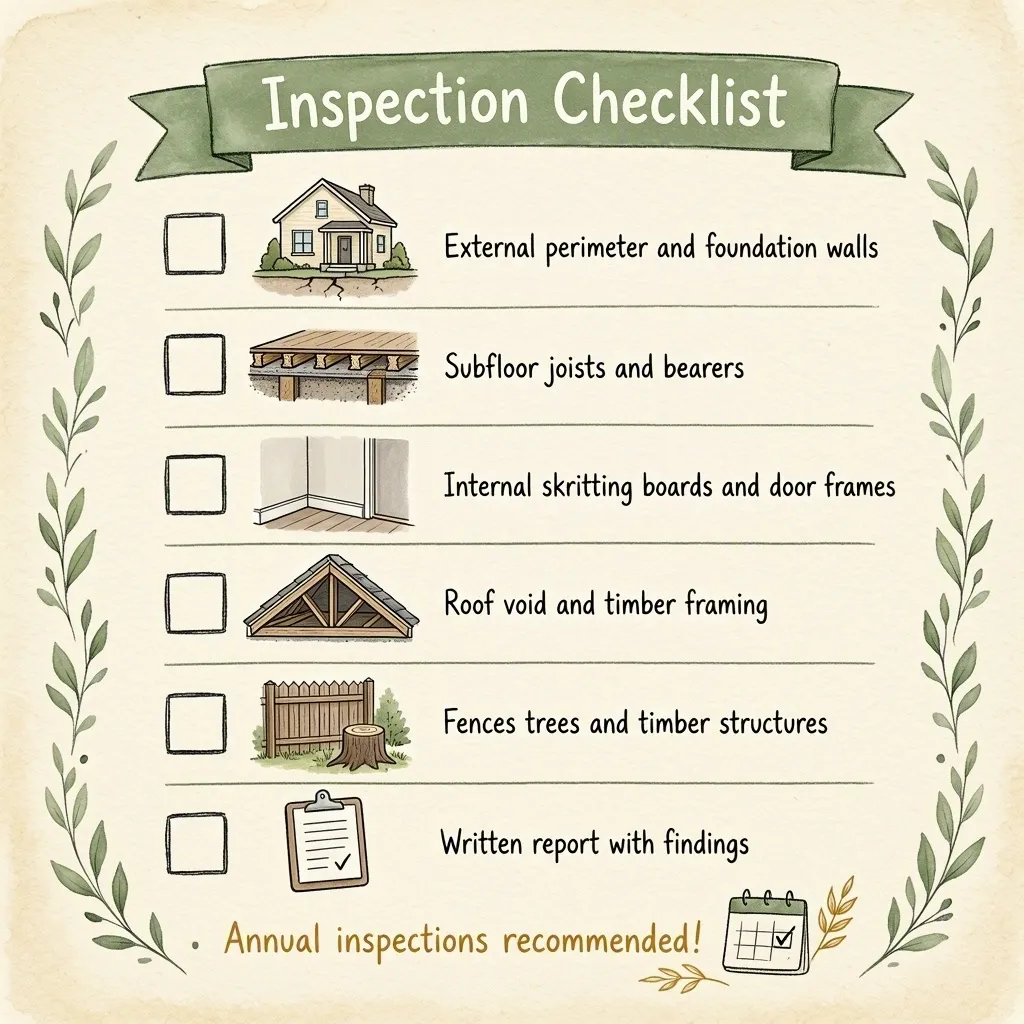
- Regular inspections — Annual termite inspections are the best prevention
- Reduce moisture — Fix leaks, ensure drainage, ventilate subfloors
- Remove wood contact — Don’t store timber against or under the house
- Maintain barriers — If you have a chemical or physical barrier, ensure it’s maintained
- Monitor — Be alert to signs of termite activity
Frequently Asked Questions
How do I tell if I have termites or ants? Check: Waist (termites thick, uniform; ants pinched); Antennae (termites straight; ants elbowed); Wings (termite wings equal; ant wings unequal); Colour (termites pale; ants dark). If unsure, have a professional inspect.
What’s the difference between flying ants and flying termites? Flying termites have equal-length wings, straight antennae, and thick bodies with no pinched waist. Flying ants have unequal wings (front pair longer), elbowed antennae, and a pinched waist.
Are white ants the same as termites? Yes. “White ant” is the Australian colloquial term for termites. They’re not actually ants—they’re more closely related to cockroaches. See our white ants vs termites guide.
Are carpenter ants the same as termites? No. Carpenter ants excavate wood to nest but don’t eat wood like termites. Carpenter ant damage looks different (smooth galleries, sawdust-like frass, no mud). Professional inspection can distinguish them.
What if I have both ants and termites? This is possible. Different treatments are needed for each. A professional inspection can identify both problems and recommend appropriate treatment for each.
How much does it cost to treat termites vs ants? Termite treatment is generally more expensive: barrier treatment $1,500-$3,500; inspection $300-$600. Ant control typically costs $150-$400. However, the cost of NOT treating termites (structural damage) far exceeds treatment cost.
Can I use the same treatment for ants and termites? No. Effective ant and termite treatments use different products and methods. Correct identification first, then correct treatment.
What should I do if I find winged insects in my home? Determine whether they’re flying ants or flying termites using the identification features. If they appear to be termites (equal wings, pale bodies, no waist), contact a professional immediately—winged termites indicate a mature colony.
---
Need Professional Pest Control?
Our licensed technicians serve Seaford and surrounding southern suburbs with transparent pricing and eco-friendly treatments. Get your free quote in 30 seconds.