Pet-Friendly Pest Control Adelaide: Safe Options
Concerned about pet safety during pest control? Learn about pet-friendly options, precautions, and how MR Solutions keeps your pets safe during treatment.
If you have pets, pest control raises an important question: “Is it safe for my animals?” It’s a valid concern, and responsible pet owners want to ensure that pest control doesn’t harm their furry family members.
At MR Solutions, we understand that pets are part of the family. This guide explains how pest control can be done safely around pets, what precautions are taken, and what pet owners should know.
The Short Answer: Yes, Pest Control Can Be Safe for Pets
Professional pest control, when done correctly by licensed professionals, can be safe for pets—including dogs, cats, birds, and other animals.
Key points:
- Modern pest control products, when used correctly, pose minimal risk to pets
- Professional pest controllers understand pet safety and take appropriate precautions
- Precautions during and after treatment protect pets
- Communication between homeowner and pest controller is essential
However: Safety depends on correct product use, proper application, and following precautions. This is why professional pest control is safer than DIY approaches for homes with pets.
How Professional Pest Control Protects Pets
1. Product Selection
Professional pest controllers consider pet safety when selecting products:
- Products are selected based on effectiveness AND safety profile
- Some products are safer around pets than others
- Pest controllers understand which products require more precautions
2. Application Methods
How products are applied affects pet safety:
- Targeted application: Products are applied to specific areas (skirting boards, harbourage areas, entry points) rather than broadcast broadly
- Correct placement: Baits are placed in secure stations where pets can’t access them
- Correct dosage: Products are used at correct concentrations and amounts—no excess
3. Timing and Precautions
Precautions during treatment protect pets:
- Pets may be asked to leave during treatment and until treated surfaces are dry
- Areas may be blocked off during treatment
- Baits are placed securely where pets can’t access them
- Instructions are provided about what to do after treatment
4. Product Knowledge
Professional pest controllers know:
- Which products are safer for households with pets
- What precautions are needed for specific products
- How long products take to dry
- What to do if a pet contacts treated surfaces
Common Concerns About Pest Control and Pets
Concern: “Pest control chemicals are toxic to pets”
Reality: Pest control products are designed to be toxic to target pests, but when used correctly according to label instructions, they pose minimal risk to pets. The key is correct use—professional pest controllers understand this. The risk from correctly applied professional products is far lower than the risk of an uncontrolled pest problem (some pests carry disease, cause allergic reactions, or bite).
Concern: “My pet will lick or chew treated surfaces”
Reality: This is a valid concern, which is why precautions are taken:
- Pets are typically kept away from treated areas until surfaces are dry
- Most treatments are applied to surfaces pets don’t typically lick (skirting boards, corners, under furniture)
- Baits are placed in secure stations pets can’t access
- After treatment, once surfaces are dry, normal contact is generally safe
Concern: “Flea treatment for my pet vs. home treatment”
Reality: These are different things:
- Pet flea treatment (spot-on, oral medications, collars) is applied directly to the pet and is designed to be safe for that pet when used as directed
- Home flea treatment treats the environment (carpets, floors, bedding) where flea eggs, larvae, and pupae live
- Both may be needed for effective flea control (see Day 13 for more on flea control)
- Home flea treatment uses products that, when applied correctly, are safe for pets once dry
Concern: “What if my pet has health issues or is sensitive?”
Reality: If your pet has health issues, is very young or old, or you have concerns about sensitivity:
- Inform your pest controller before treatment
- They can take additional precautions or recommend alternative approaches
- In some cases, specific products or methods may be recommended
- For severe concerns, consult your veterinarian about pest control safety for your specific pet
Concern: “Are there pet-friendly pest control products?”
Reality: Many modern pest control products have good safety profiles when used correctly. Some approaches are inherently lower-risk:
- Exclusion methods (sealing entry points) — No chemicals, completely safe
- Trapping (for rodents) — No chemicals, but traps must be placed where pets can’t access them
- Some baits — Placed in secure stations, low risk to pets when used correctly
- Some surface treatments — Applied to specific areas, dry to touch, low risk once dry
Your pest controller can discuss which approaches are most appropriate for your situation.
Precautions for Pet Owners During Pest Control
Before Treatment
Inform your pest controller about your pets:
- What pets you have (dogs, cats, birds, rabbits, reptiles, etc.)
- How many, approximate size/age
- Any health concerns or sensitivities
- Where pets are normally kept
- Any specific concerns you have
This allows the pest controller to:
- Choose appropriate products and approaches
- Plan application to minimize pet exposure
- Give you specific instructions for your situation
During Treatment
General precautions:
- Keep pets away from the treatment area during treatment
- This may mean:
- Taking pets for a walk during interior treatment
- Keeping pets in a different room with the door closed
- Having pets leave the property for the treatment duration (for some treatments)
- Follow your pest controller’s instructions — They know the products being used and appropriate precautions
After Treatment
General precautions:
- Don’t allow pets to contact treated surfaces until they’re dry — Your pest controller will tell you how long this takes
- Keep pets away from any baits or bait stations — These are placed where pets shouldn’t access them, but monitor to ensure pets don’t investigate them
- Once treated surfaces are dry, normal contact is generally safe — The products have dried and are no longer easily transferred
- Follow any specific instructions provided by your pest controller
For flea treatment specifically:
- Pet bedding may need to be washed
- Pets may need to be out of the house during treatment and until surfaces are dry
- Coordinate home flea treatment with pet flea treatment (see Day 13)
Pet-Safe Pest Control Approaches
Some pest control approaches are inherently lower-risk for pets:
1. Exclusion (Sealing Entry Points)
- No chemicals involved
- Completely safe for pets
- Prevents pests from entering
- Should be part of any pest management approach
2. Sanitation and Habitat Modification
- No chemicals involved
- Reducing food sources, moisture, and shelter
- Pet-safe and effective as part of pest prevention
- Should be combined with other approaches
3. Trapping (for rodents)
- No chemicals involved
- However: Traps must be placed where pets can’t access them (safe from pets, children)
- Effective for rodent control when placed correctly
- May be part of rodent control program
4. Targeted Chemical Treatment (with precautions)
- When done correctly, minimal risk to pets
- Products applied to specific areas, not broadly
- Pets kept away until dry
- Appropriate products selected
- This is the most common approach for effective pest control, and when done professionally, is safe for pets
What to Ask Your Pest Controller About Pet Safety
When arranging pest control, ask:
- “What products will you use, and are they safe for pets?”
— Understand what’s being used and the safety profile
- ”What precautions do I need to take for my pets?”
— Get specific instructions for your situation
- ”How long do pets need to be away from treated areas?”
— Know when it’s safe for pets to return to normal activity
- ”Are baits being used? Where will they be placed?”
— Know where baits are so you can monitor pet access
- ”What should I do if my pet contacts treated surfaces before they’re dry?”
— Know the emergency procedure (usually minimal concern, but good to know)
- “Do you have experience with pets and adjust your approach accordingly?”
— Confirm they understand pet safety considerations
A good pest controller will happily answer these questions and explain their approach to pet safety.
MR Solutions and Pet Safety
At MR Solutions, we take pet safety seriously:
Our approach:
- We ask about pets before treatment
- We select appropriate products and approaches
- We provide clear instructions for pet owners
- We place baits securely where pets can’t access them
- We explain how long pets should be kept away from treated areas
Our commitment:
- Professional, safe pest control for homes with pets
- Communication so pet owners know what to expect
- Appropriate precautions for each situation
- Transparency about products and safety
Serving Adelaide’s southern suburbs: We provide pest control for homes with pets across all southern Adelaide suburbs.
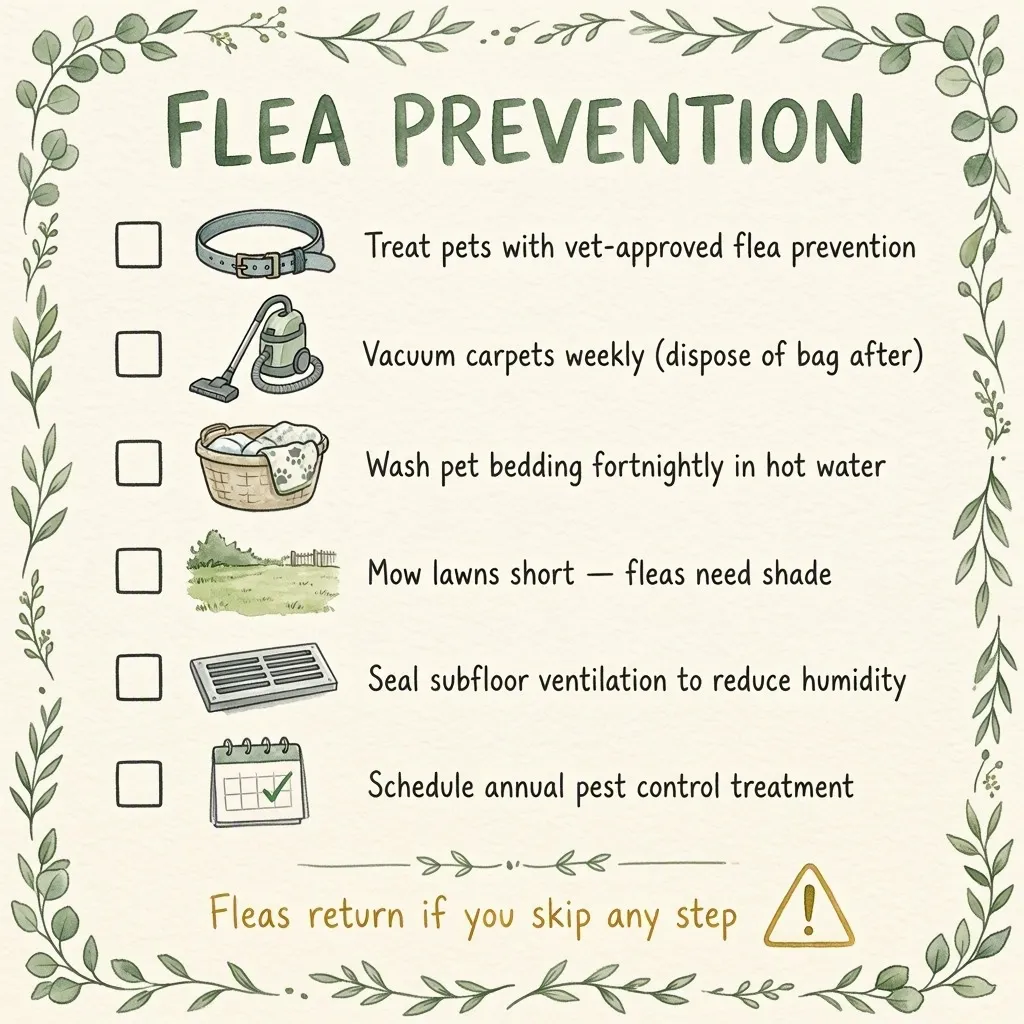
7 (a (case Y Treat pets with vet-approved flea prevention
7 (a (case Y Treat pets with vet-approved flea prevention
- y =| Le Vacuum carpets weekly (dispose of bag after) .
- y =) ey Wash pet bedding fortnightly in hot water :
- y (=) _— Mow lawns short — fleas need shade
- 3 C] Seal subfloor ventilation to reduce humidity A
- eS Schedule annual pest control treatment i. €
- Fleas return if you skip any step / RY!
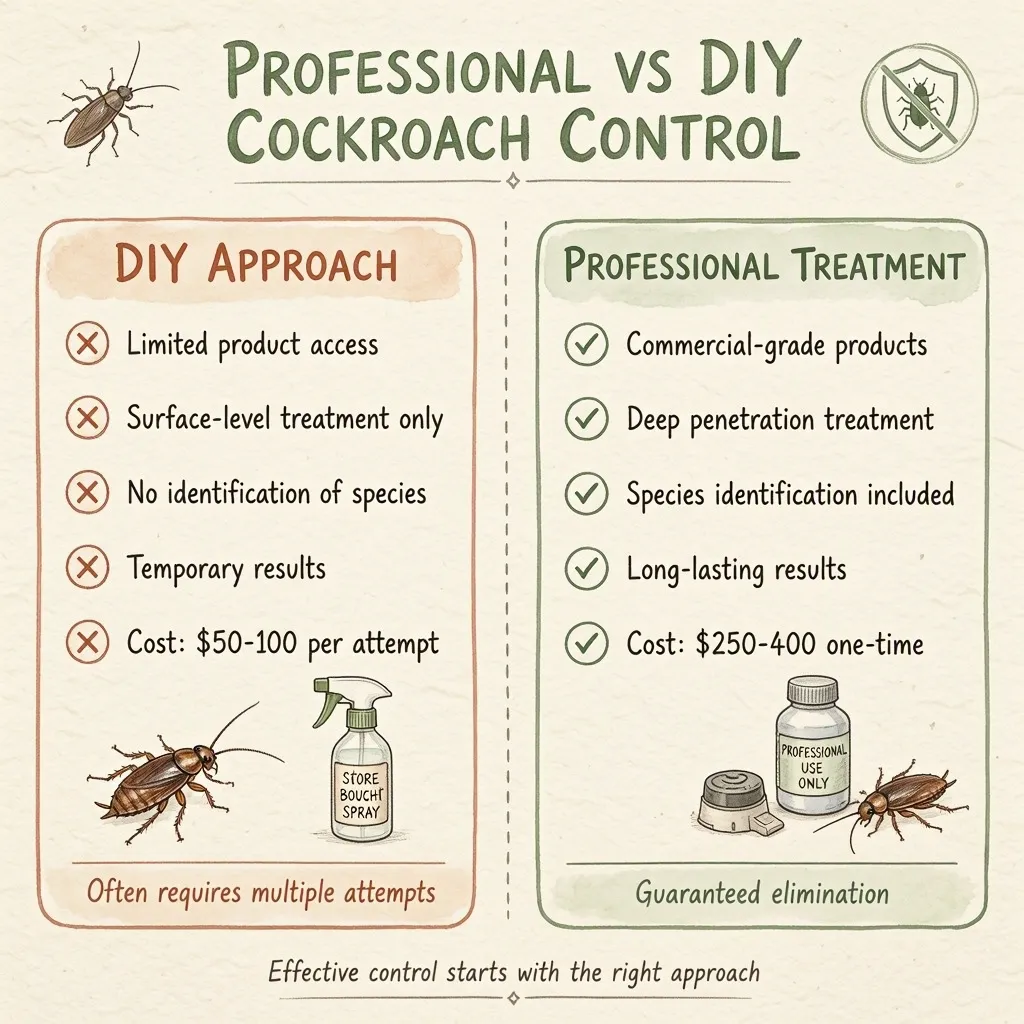
Professional vs DIY cockroach treatment
Professional vs DIY cockroach treatment
- DIY: limited product access, surface-level treatment only
- DIY: no species identification, temporary results
- Professional: commercial-grade products
- Professional: deep penetration treatment
- Professional: species identification included
- Professional: long-lasting results
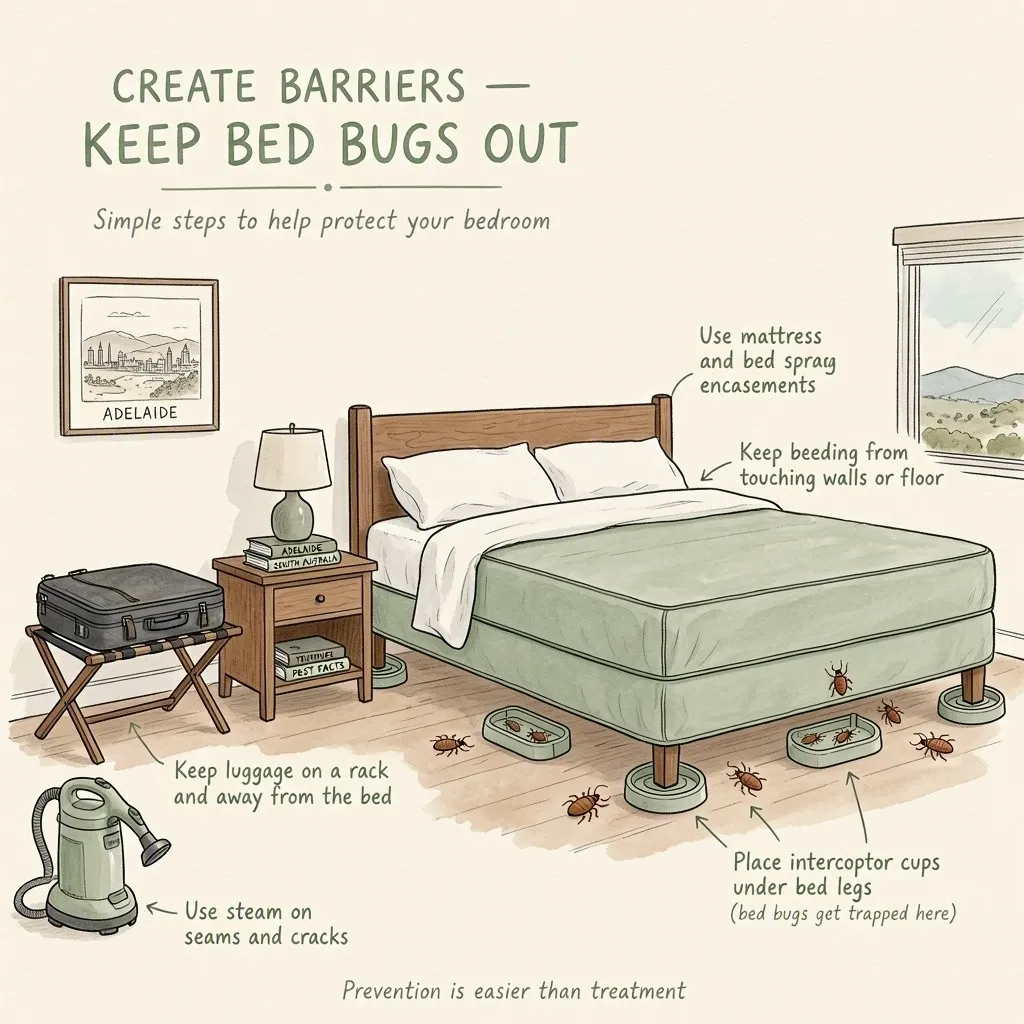
CREATE BARRIERS
CREATE BARRIERS
- Simple steps to help protect your bedroom from bed bugs
- Use mattress and box-spring encasements
- Install interceptors under bed legs
- Keep bedding from touching the floor
- Check headboard, seams, folds and piping regularly
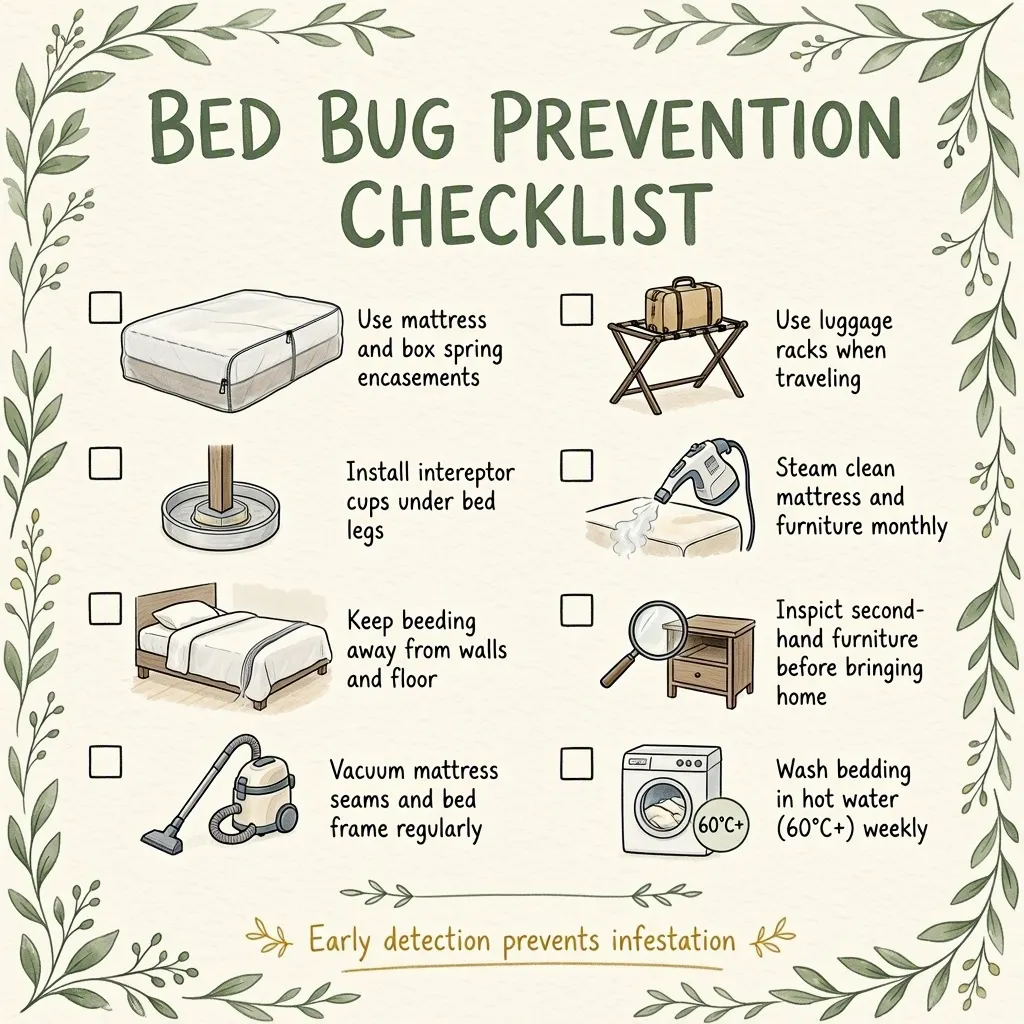
Bed bug travel prevention
Bed bug travel prevention
- Use mattress and box-spring encasements
- Use luggage racks when travelling
- Install interceptors under bed legs
- Steam clean mattress and furniture monthly
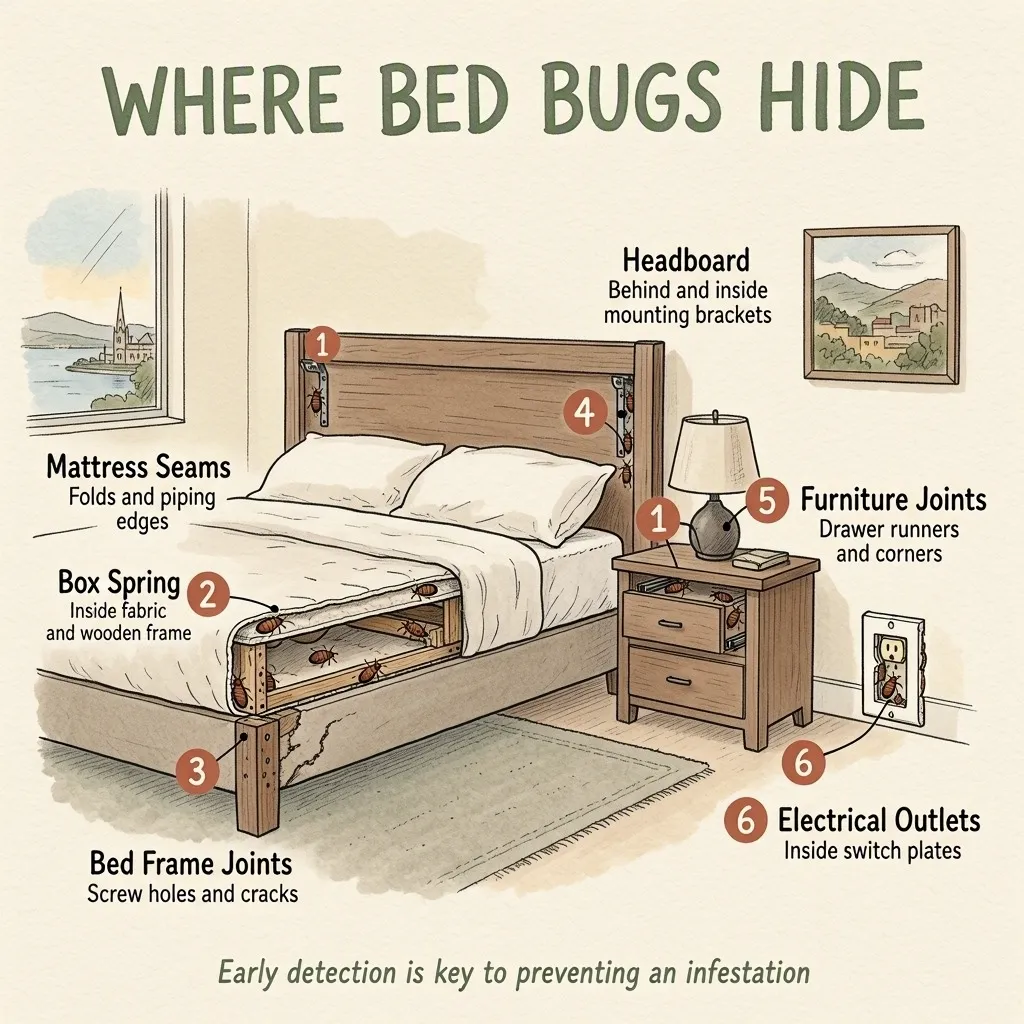
Where bed bugs hide in the bedroom
Where bed bugs hide in the bedroom
- Behind and inside the headboard and mounting brackets
- Mattress seams, folds and piping
- Furniture joints and drawer runners
- Along baseboards and under bed frames
Frequently Asked Questions
Is pest control safe for dogs? Yes, when done correctly by professionals. Dogs should be kept away from treated areas until surfaces are dry (typically a few hours). Baits are placed in secure stations. Once dry, normal contact with treated surfaces is generally safe. Inform your pest controller about your dogs so they can take appropriate precautions.
Is pest control safe for cats? Yes, when done correctly. Cats have similar precautions to dogs: kept away from treated areas until dry, baits placed securely. Cats are more sensitive to some chemicals than dogs, so inform your pest controller—this may influence product selection. Once dry, treated surfaces are generally safe for cats.
Is pest control safe for puppies and kittens? Extra precautions may be needed for very young animals. Inform your pest controller about puppies or kittens. They may recommend additional precautions or alternative approaches. Very young animals are more sensitive, so communication is important.
Is pest control safe for birds? Birds can be more sensitive to chemicals than mammals. Inform your pest controller about pet birds. They may recommend additional precautions, such as keeping birds out of the treatment area for longer, or using alternative approaches. Cage birds should be moved to a different room or out of the property during treatment.
Is pest control safe for rabbits and small mammals? Rabbits, guinea pigs, and other small mammals can be sensitive to chemicals. Inform your pest controller. Precautions may include keeping them away from treated areas for longer, using alternative approaches, or coordinating with your vet for specific advice.
What if my pet eats a pest control bait? If your pet consumes a pest control bait, contact your veterinarian immediately. Have the bait packaging available if possible (to identify the product). Baits are designed to be attractive to pests, but are placed in secure stations to prevent pet access. If a pet does access a bait, prompt veterinary attention is important.
How do I prepare my home for pest control with pets? Inform your pest controller about your pets. During treatment, keep pets away from the treatment area (walk dogs, keep cats in another room, move birds/small pets). Follow instructions about when pets can return. After treatment, once surfaces are dry, normal activity can resume.
---
Need Professional Pest Control?
Our licensed technicians serve Seaford and surrounding southern suburbs with transparent pricing and eco-friendly treatments. Get your free quote in 30 seconds.