10 Pest Control Myths Debunked by Adelaide Experts
Don't fall for these common pest control myths. Adelaide experts debunk 10 misconceptions about pests, treatments, and prevention. Get the facts.
Pest control is full of myths, misconceptions, and old wives’ tales. Some are harmless; others can lead to worse pest problems, wasted money, or delayed treatment. At MR Solutions, we’ve heard just about every pest control myth imaginable. Here are 10 of the most common—and the facts behind them.
Myth #1: “Clean Homes Don’t Get Pests”
The myth: If your home is clean, you won’t get pests.
The reality: Pests don’t choose homes based on cleanliness alone. They’re attracted to food, water, shelter, and entry points—none of which are eliminated by cleanliness alone.
Why this myth is harmful: It creates a false sense of security. Clean homes can and do get pests. Believing this myth may lead homeowners to ignore early signs of pests because “my house is clean, so it can’t be pests.”
The facts:
- Spiders enter homes seeking prey (other insects) and shelter, not because the home is dirty.
- Termites attack homes based on timber, moisture, and soil conditions—not cleanliness.
- Ants can enter even spotless homes if there’s a food source (even a small crumb) or a trail from outdoors.
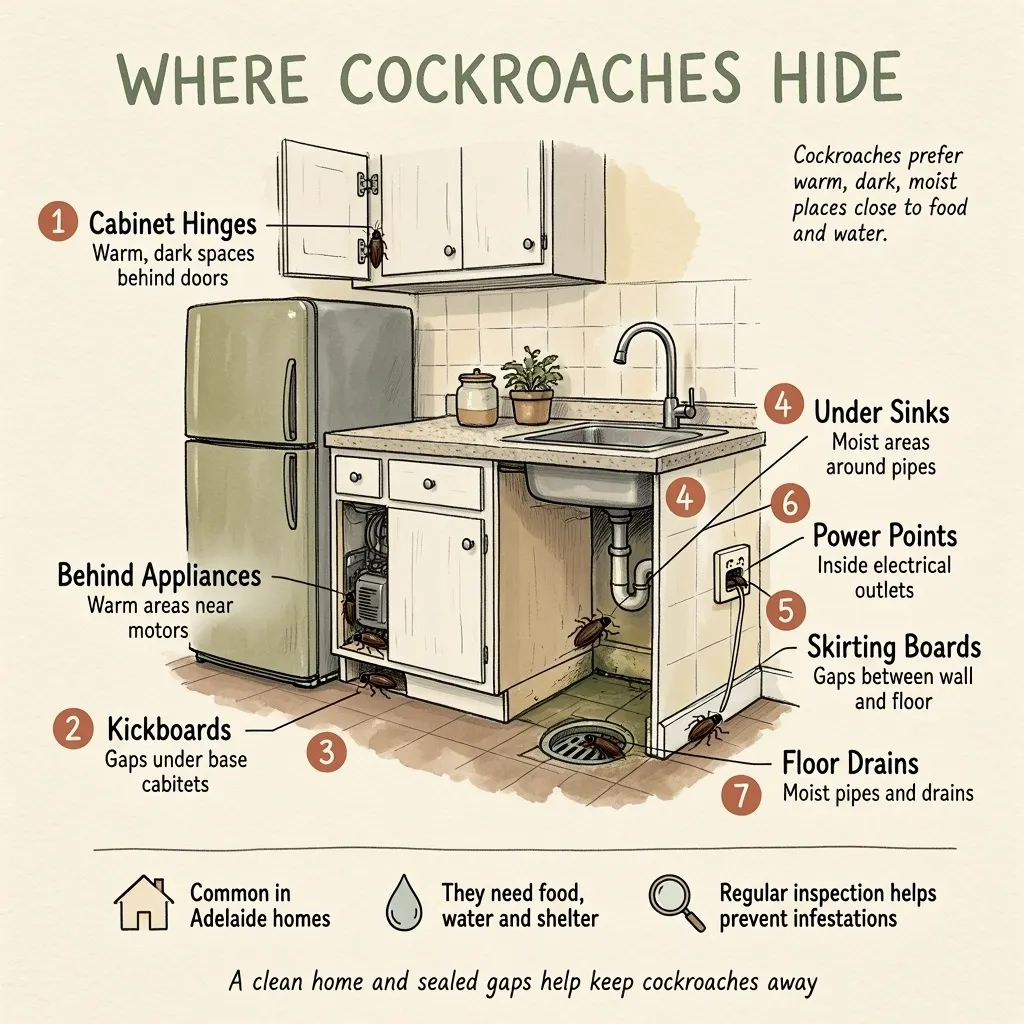
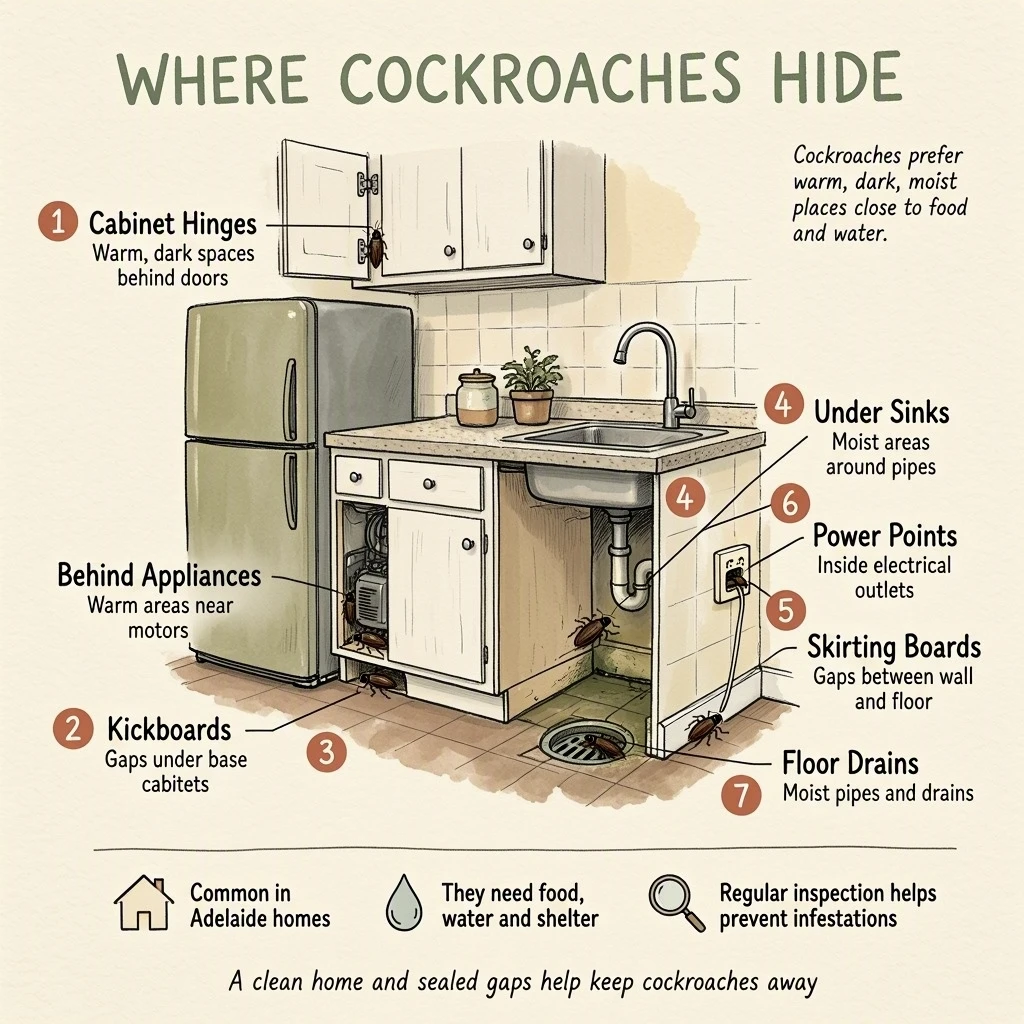
- Cockroaches prefer warm, moist, harborage-rich environments—a clean home can still provide these.
- Rodents enter seeking warmth and shelter, particularly in winter. Cleanliness doesn’t stop them.
What cleanliness does help with:
- Reduces food sources (crumbs, spills, unsealed food) that attract ants, cockroaches, rodents
- Reduces some shelter (clutter, piles)
- Makes it easier to spot pest signs early
Bottom line: Cleanliness helps but doesn’t guarantee a pest-free home. All homes can get pests.
---
Myth #2: “DIY Products Work as Well as Professionals”
The myth: Store-bought pest control products work just as well as professional treatment.
The reality: For minor, early-stage problems, consumer products can help. But for established infestations, they rarely match professional treatment.
Why this myth is harmful: It leads people to try DIY methods that don’t solve the problem, delaying effective treatment. The problem worsens, potentially becoming more expensive to fix.
The facts:
- Consumer products have limitations: They’re often less effective than professional products, may not reach hidden pests, and may not address the colony or nest.
- Correct application matters: Professional pest controllers know how to apply products correctly—where, how much, what type. DIY application is often suboptimal.
- Identification matters: Professionals identify the pest correctly, ensuring the right treatment. DIY identification is often wrong (e.g., mistaking termites for ants, or vice versa).
- Follow-up matters: Professionals provide follow-up to ensure the problem is solved. DIY approaches often stop after one attempt.
When DIY can work:
- Minor spider problems (a spray around windows may help)
- A few ants (surface spray can knock down visible trails temporarily)
- Very early, small problems caught immediately
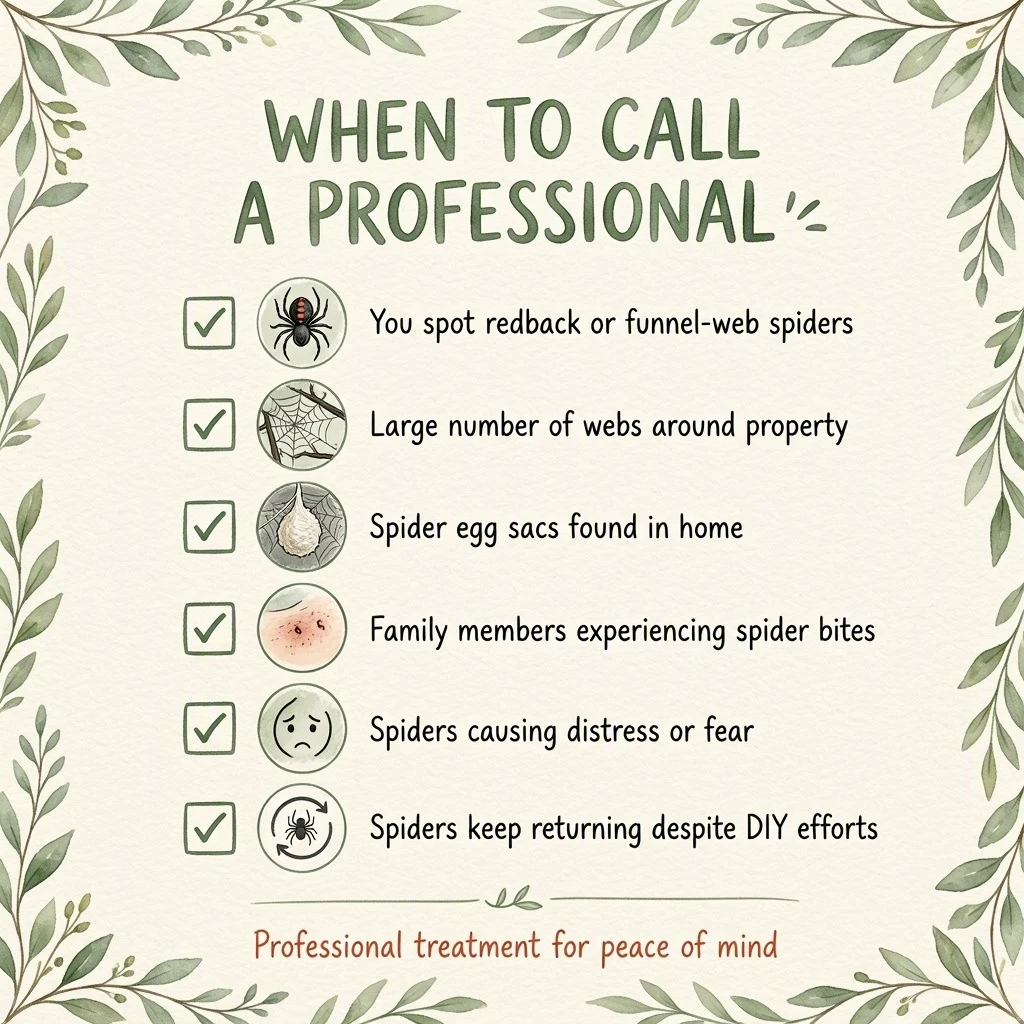
When to call a professional:
- Persistent or worsening problems despite DIY
- Termites (DIY treatment is not effective)
- Large infestations
- Pests you can’t identify
- Any problem you’ve tried to treat without success
Bottom line: DIY has a place for minor, early problems. But for anything more significant, professional treatment is vastly more effective.
---
Myth #3: “One Treatment Eliminates Pests Forever”
The myth: A single pest control treatment will get rid of pests permanently.
The reality: Most pests require ongoing management, not a one-and-done treatment.
Why this myth is harmful: It sets unrealistic expectations. When pests return (which they often do), customers think the treatment failed, when in reality ongoing management is normal.
The facts:
- Pests return if conditions allow: If entry points aren’t sealed, food sources remain, or shelter is available, pests can return after treatment.
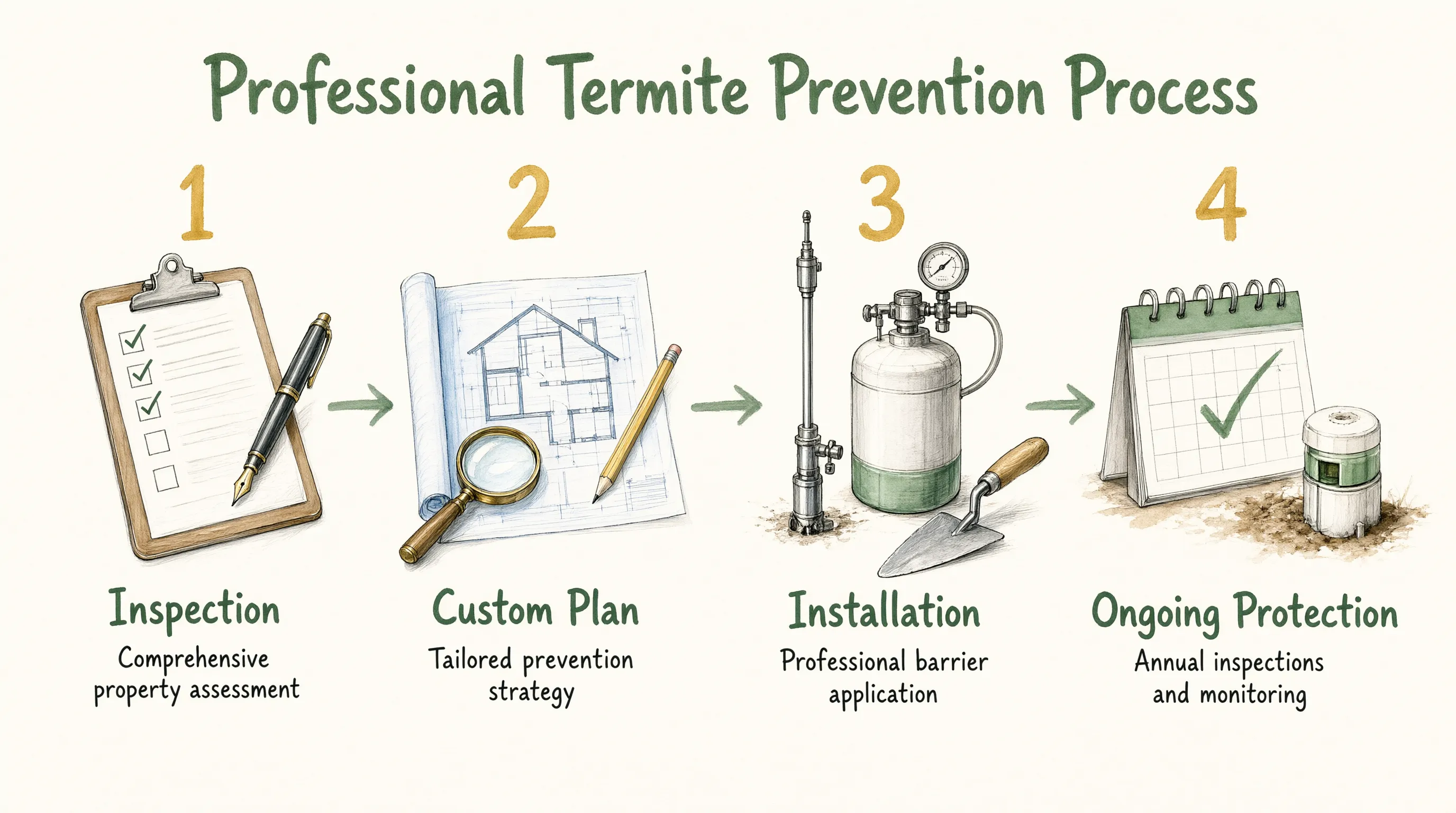
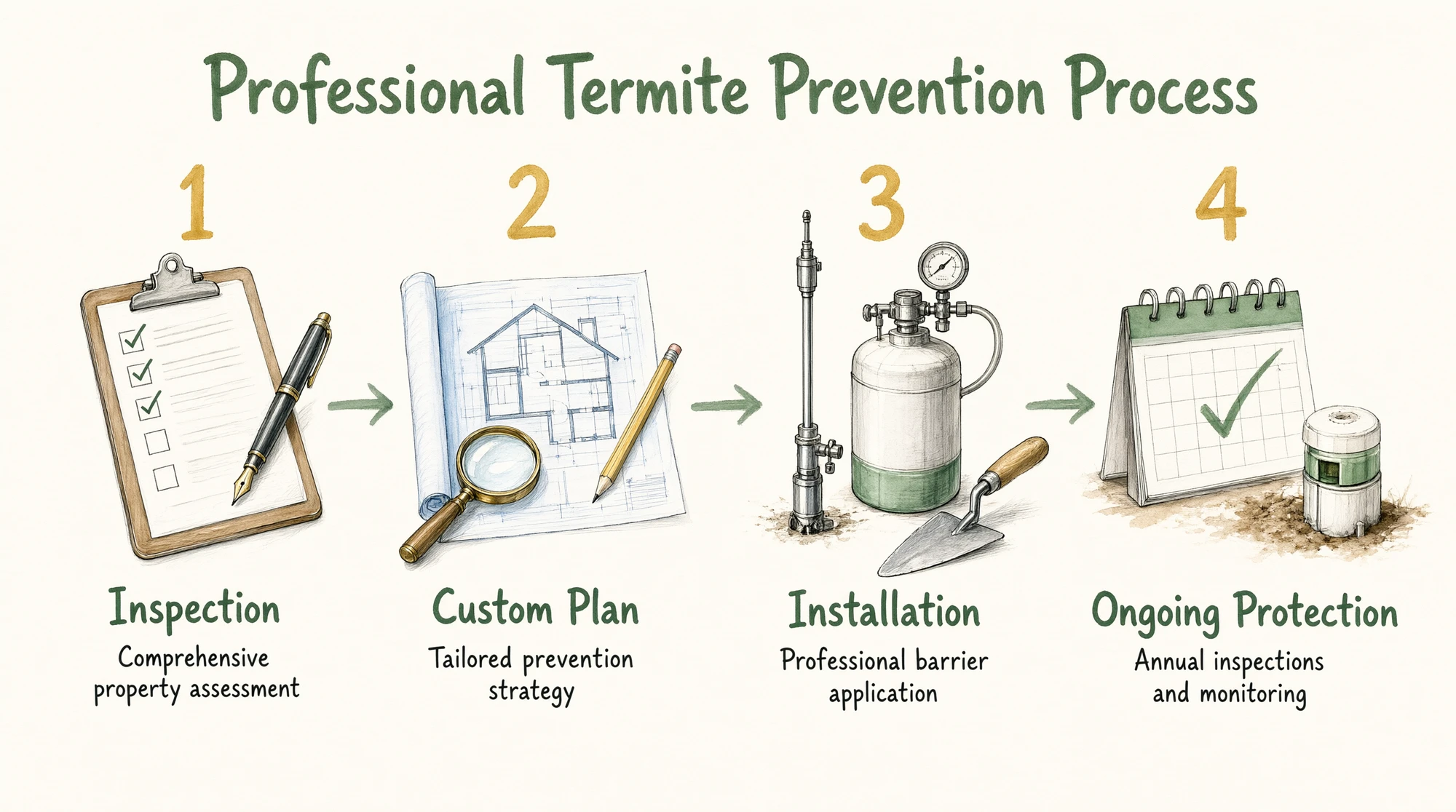
- Some pests require ongoing monitoring: Termite barriers need inspections to confirm they’re intact. Baiting systems need monitoring. Regular pest control maintains protection.
- New pests can enter: Even if you eliminate current pests, new ones can enter from outside (especially for ants, spiders, rodents).
- Some pests are persistent: Cockroach eggs (in egg cases) survive many treatments, requiring follow-up to catch newly hatched nymphs. Flea pupae can survive for months in carpets.
What treatment can do:
- Eliminate current pest activity
- Create a temporary barrier (some treatments last weeks to months)
- Reduce pest populations significantly
What treatment can’t do:
- Permanently eliminate all possibility of pests returning
- Replace the need for prevention (sealing entry points, sanitation, etc.)
- Guarantee pests never return (no pest control provider can honestly guarantee this)
Bottom line: Effective pest control is ongoing management, not a one-time fix. Regular treatment, prevention, and monitoring are typically needed for lasting results.
---
Myth #4: “Natural Remedies Always Work”
The myth: Natural or home remedies (peppermint oil, vinegar, chalk, etc.) always work for pest control.
The reality: Some natural remedies have limited effectiveness for some pests. Many don’t work well at all—despite popular belief.
Why this myth is harmful: People rely on ineffective natural remedies, the pest problem persists or worsens, and effective treatment is delayed.
The facts:
- Peppermint oil for spiders: Often touted as a spider repellent. Scientific evidence for effectiveness is weak. Some people report success; others don’t. Not reliable for established spider problems.
- Vinegar for ants: Can disrupt pheromone trails temporarily (wiping trails with vinegar removes the scent trail). Doesn’t eliminate the colony. Temporary effect at best.
- Chalk, cinnamon, etc.: Anecdotal reports, little scientific evidence. Generally not reliable for pest control.
- Essential oils: Varying claims, varying evidence. Some may have mild repelling effects for some pests; most are not reliable for solving pest problems.
- Ultrasonic repellers: Electronic devices claiming to repel pests with sound waves. Scientific evidence does not support their effectiveness. Studies consistently show they don’t work.
What natural remedies can do:
- Some provide minor, temporary deterrence for some pests
- Some can supplement other methods (e.g., wiping ant trails with vinegar)
- Some are harmless (and harmless approaches are fine as supplements)
What natural remedies can’t do:
- Eliminate established infestations
- Create lasting barriers
- Replace effective treatment for significant problems
Bottom line: Natural remedies aren’t a reliable solution for most pest problems. Don’t rely on them alone. Use them as supplements if you wish, but don’t delay effective treatment based on unproven remedies.
---
Myth #5: “Pests Only Come in Dirty Homes”
The myth: If your home is clean, pests won’t be a problem.
The reality: This is essentially the same as Myth #1, but it’s worth repeating because it’s so common. Pests don’t discriminate based on cleanliness.
Why this myth is harmful: Same as Myth #1—false security, ignoring early signs.
The facts:
- Termites attack wealthy, clean homes and modest homes equally. They care about timber, moisture, and soil—not cleanliness.
- Spiders enter homes based on prey availability and shelter, not cleanliness.
- Rodents enter seeking warmth and shelter, especially in winter. Cleanliness doesn’t stop them.
- Ants can enter clean homes if there’s any food source (even a small spill) or a trail from outdoors.
- Cockroaches prefer warmth, moisture, and harborage. A clean home can still have these.
The nuance: Cleanliness does help reduce some attractants (food, some shelter). But it’s not a guarantee. All homes can get pests.
Bottom line: A clean home can still get pests. Don’t assume cleanliness protects you.
---
Myth #6: “I Can Wait to Treat Pests”
The myth: There’s no rush to treat pests—I can wait and deal with it later.
The reality: Pest problems generally worsen over time. Delaying treatment usually costs more in the long run.
Why this myth is harmful: Delays allow pest problems to grow. Termites cause more damage. Infestations become larger. What could have been a small, inexpensive treatment becomes a larger, more expensive problem.
The facts:
- Termites: Cause more damage the longer they’re active. Delaying treatment means more structural damage, higher repair costs. Termite damage is often not covered by insurance.
- Cockroaches: Breed rapidly. A few cockroaches can become a large infestation in weeks. Delaying makes elimination harder and more expensive.
- Rodents: Breed throughout the year. A pair of mice can produce many offspring in months. Delaying allows populations to grow.
- Ants: Colonies grow over time. Delaying allows colonies to establish more firmly, making elimination harder.
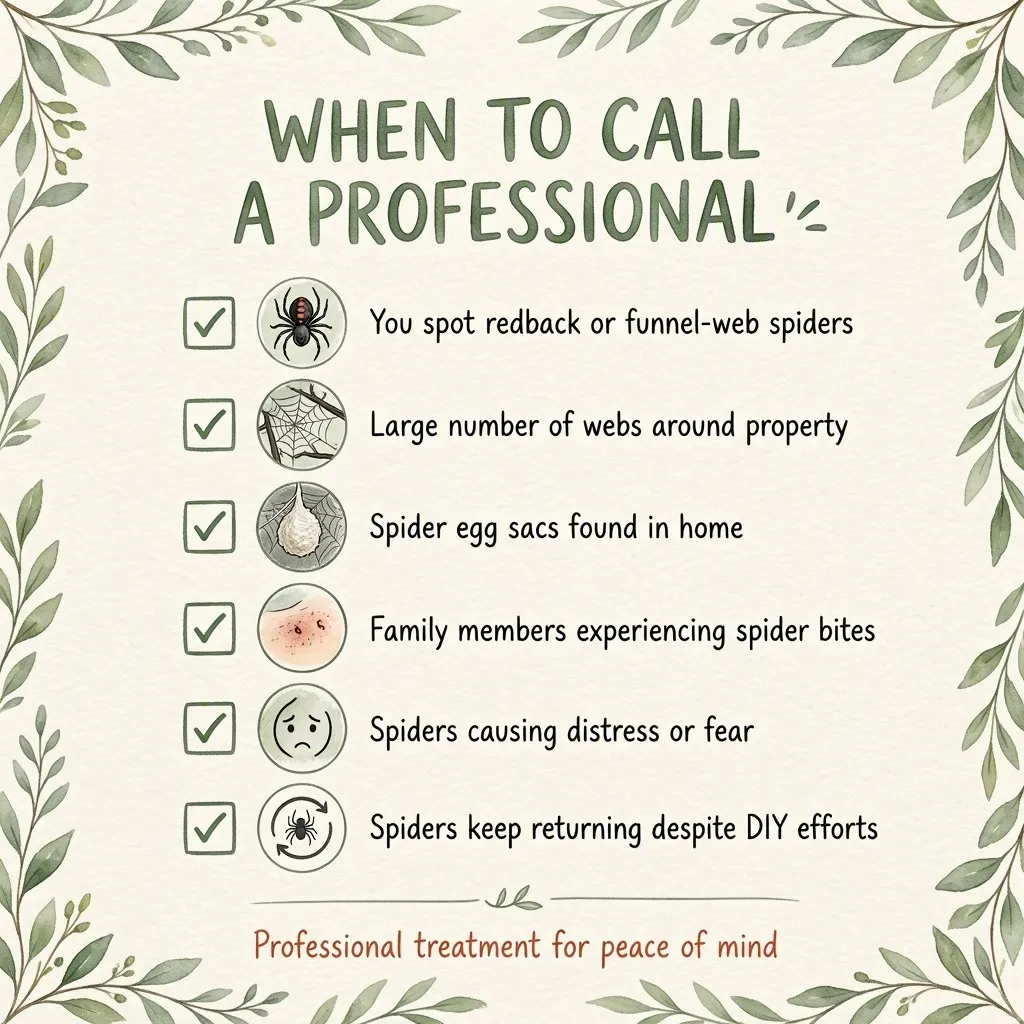
- Spiders: While less urgent, spider problems can increase as prey populations increase. Delaying allows problems to grow.
The cost of waiting:
- Termites: Delaying can mean thousands in additional damage.
- Cockroaches/ants/rodents: Delaying can mean larger infestations requiring more treatment, more time, more expense.
- Reputation/retail/food businesses: Delayed treatment means more customer exposure, more reputational damage, more compliance risk.
Bottom line: When you notice a pest problem, act promptly. Early treatment is almost always less expensive and easier than delayed treatment.
---
Myth #7: “Pest Control Chemicals Are Always Dangerous”
The myth: Pest control chemicals are inherently dangerous and should be avoided.
The reality: Pest control products, when used correctly by professionals according to label instructions, are safe for humans, pets, and the environment. The risk comes from incorrect use, not correct use.
Why this myth is harmful: It causes unnecessary fear, may lead people to avoid pest control entirely (allowing problems to worsen), or to use ineffective “safe” alternatives that don’t solve the problem.
The facts:
- Products are regulated: Pest control products in Australia are regulated by the Australian Pesticides and Veterinary Medicines Authority (APVMA). They must be proven safe for their intended use when applied according to label.
- Professionals use products correctly: Licensed pest controllers are trained in correct application—correct product, correct amount, correct placement, correct precautions.
- Correct use = minimal risk: When applied correctly, pest control products pose minimal risk to residents, pets, and the environment.
- Incorrect use = risk: The danger comes from incorrect use: too much product, wrong product, wrong placement, ignoring precautions. This is why professional use is safer than DIY for many situations.
The comparison:
- Correctly applied professional pest control: Minimal risk, solves pest problem.
- Uncontrolled pest problem: Pests can carry disease, cause allergic reactions, bite, cause damage. Not treating also has risks.
Bottom line: Professional pest control, when done correctly, is safe. The fear of chemicals should not prevent necessary pest control—but it’s important to use professionals who apply products correctly.
---
Myth #8: “I Don’t Need Pest Control If I Haven’t Seen Pests”
The myth: If I haven’t seen any pests, I don’t need pest control.
The reality: Many pests are cryptic—they hide, work in darkness, and may be present without being seen. Absence of visible pests doesn’t mean absence of pests.
Why this myth is harmful: It leads to complacency. Problems develop unseen until they’re advanced.
The facts:
- Termites: Work inside timber and underground, hidden. You may not see them until damage is visible—by which time damage may be extensive. This is why annual inspections are essential even without visible signs.
- Cockroaches: Hide in cracks, crevices, harborage areas during the day. You may see only a few, while many more are hidden. Seeing cockroaches during the day often indicates a large population.
- Rodents: Nocturnal and secretive. You may hear them (scratching in walls/roofs at night) or see droppings before seeing the rodents themselves.
- Ants: You may see a few workers while a large colony is hidden nearby.
- Spiders: Many species hide during the day. Absence of visible spiders doesn’t mean absence of spiders.
The value of preventive pest control:
- Regular inspections catch problems early, before they’re visible or significant
- Preventive treatments reduce the chance of problems developing
- Peace of mind—you know your home’s pest status
Bottom line: Don’t wait until you see pests. Preventive pest control and regular inspections catch problems early, when they’re smaller and less expensive to treat.
---
Myth #9: “Ultrasonic Repellers Work”
The myth: Ultrasonic pest repellers (electronic devices that emit sound waves) effectively repel pests.
The reality: Scientific evidence consistently shows ultrasonic repellers do not work for pest control.
Why this myth is harmful: People spend money on ineffective products, delay effective treatment, and pest problems persist or worsen.
The facts:
- Multiple studies have tested ultrasonic repellers and found them ineffective for controlling pests.
- Pests adapt: Even if there were some initial effect, pests can adapt to constant sounds.
- Sound doesn’t travel well: Ultrasonic waves don’t penetrate walls, furniture, or obstacles well. They have limited range.
- No regulatory approval: Ultrasonic repellers are not registered as effective pest control products by the APVMA.
- Professional organizations do not recommend ultrasonic repellers as effective pest control.
What ultrasonic repellers actually do: Nothing useful for pest control. They may produce sound (which some people find annoying), but don’t repel pests.
Bottom line: Don’t waste money on ultrasonic repellers. They don’t work. For effective pest control, use proven methods: professional treatment, exclusion, sanitation, and prevention.
---
Myth #10: “Pest Control Is Too Expensive”
The myth: Pest control costs too much—it’s not worth the money.
The reality: Pest control is almost always less expensive than the cost of not treating pest problems. The real expense is ignoring pests.
Why this myth is harmful: People avoid pest control to save money, but end up spending far more on damage, repairs, and worse infestations.
The facts:
- Termite damage: Costs Australians over $100 million annually. Average homeowner spends $5,000-$50,000 on repairs. Most insurance doesn’t cover it. A termite inspection costs $300-$700; a barrier costs $1,500-$3,500. The cost of prevention is far less than the cost of damage.
- Cockroach infestations: A severe infestation requiring extensive treatment costs more than regular preventive treatment. Early treatment is cheaper.
- Rodent damage: Gnawed electrical cables (a fire hazard), damaged insulation, damaged products and property. Repairing this damage costs far more than rodent control.
- Business costs: For businesses, pest problems can mean compliance fines, reputational damage, product loss, customer loss. Pest control costs are a fraction of these potential losses.
The cost comparison:
- Termite inspection: $300-$700/year
- Termite damage (if undetected): $5,000-$50,000+
- General pest treatment: $200-$450/year
- Established infestation treatment: More expensive, more time, more disruption
Bottom line: Pest control is an investment, not an expense. The cost of prevention and early treatment is almost always far less than the cost of ignoring pests. Don’t let the myth of “pest control is too expensive” cost you far more in the long run.
---
Bonus: A Quick Summary
| Myth | Reality |
|---|---|
| Clean homes don’t get pests | All homes can get pests; cleanliness helps but isn’t a guarantee |
| DIY works as well as professionals | Professionals are far more effective for most problems |
| One treatment eliminates pests forever | Ongoing management is needed for lasting results |
| Natural remedies always work | Most natural remedies lack scientific support; don’t rely on them alone |
| Pests only come in dirty homes | Pests don’t discriminate by cleanliness |
| I can wait to treat pests | Delays make problems worse and more expensive |
| Pest control chemicals are always dangerous | Correct use by professionals is safe |
| I don’t need pest control if I haven’t seen pests | Many pests are hidden; preventive control catches problems early |
| Ultrasonic repellers work | No scientific evidence—they don’t work |
| Pest control is too expensive | The cost of not treating is far higher |
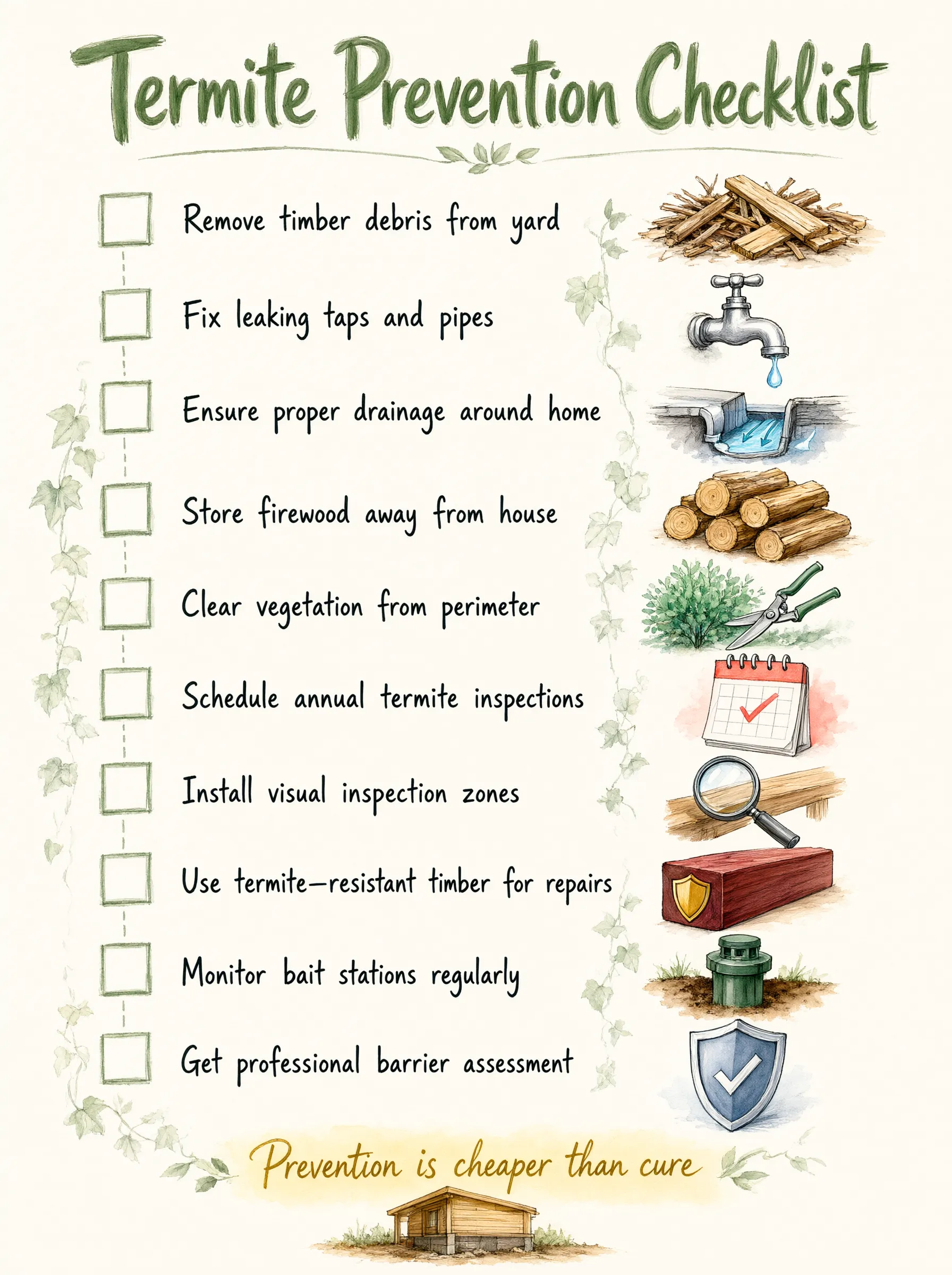
Termite Prevention Checklist
- Remove timber debris from the yard
- Fix leaking taps and pipes
- Ensure proper drainage around the home
- Store firewood away from the house
- Clear vegetation from the perimeter
- Schedule annual termite inspections
- Install visual inspection zones
- Use termite-resistant timber
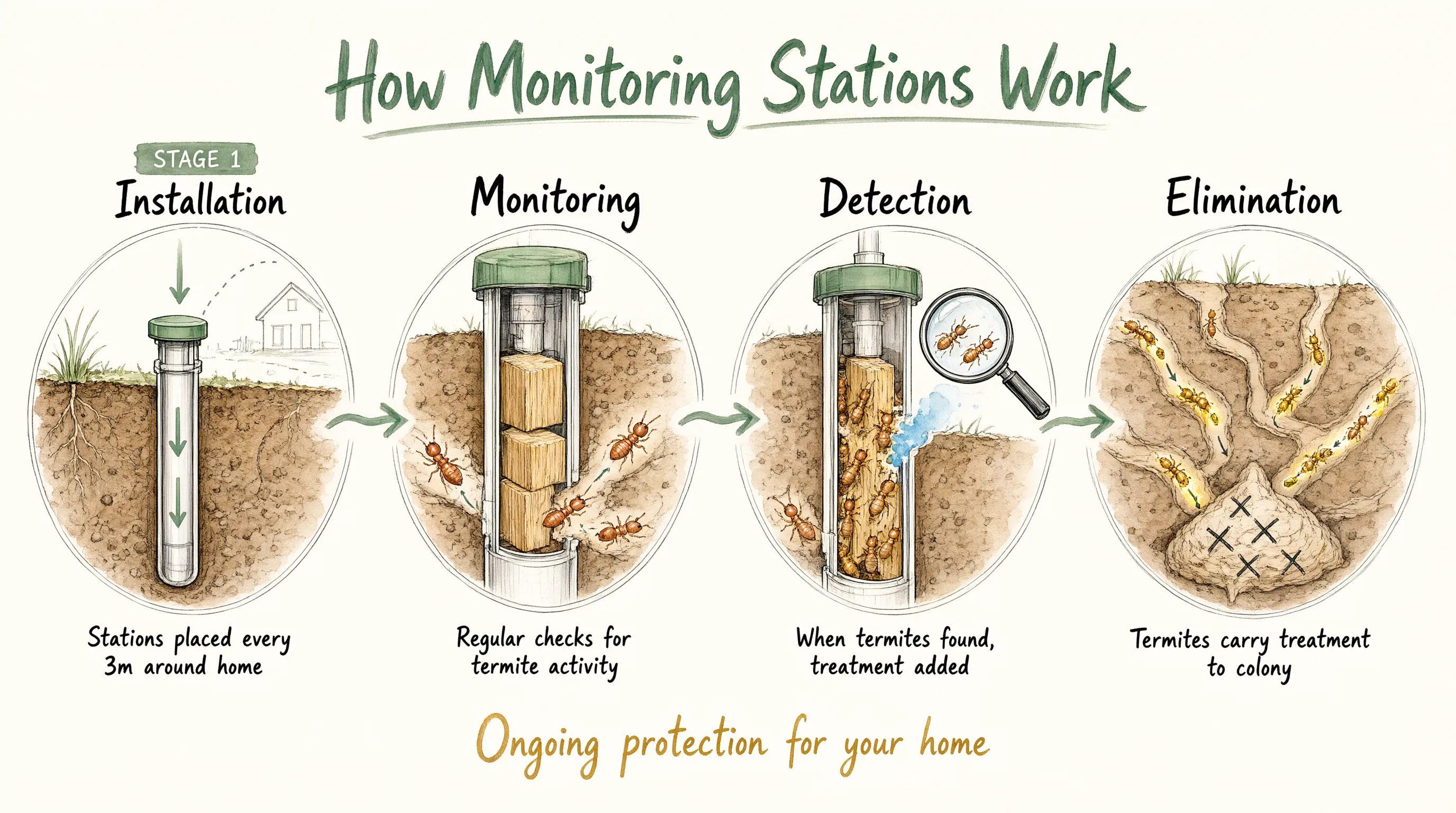
How Monitoring Stations Work
- Installation — stations placed every 3m around the home
- Monitoring — regular checks for termite activity
- Detection — when termites are found, treatment is added to the station
- Elimination — termites carry the treatment back to the nest
- Ongoing protection for your home
The Takeaway
Pest control is full of myths that can lead to worse problems, wasted money, and unnecessary fear. The facts are straightforward:
- All homes can get pests, regardless of cleanliness
- Professional treatment is more effective than DIY for most problems
- Ongoing management, not one-time fixes, delivers lasting results
- Early treatment is less expensive than delayed treatment
- Professional pest control, done correctly, is safe
Don’t let myths guide your pest control decisions. Trust evidence-based approaches and professional expertise.
---
Need Professional Pest Control?
Our licensed technicians serve Seaford and surrounding southern suburbs with transparent pricing and eco-friendly treatments. Get your free quote in 30 seconds.