What Do Rat Droppings Look Like? A Southern Adelaide ID Guide
Finding small, dark pellets in your pantry, roof void, or under the kitchen sink is often the first hard evidence that rodents have moved in. The good news: droppings tell you a lot. Their size, shape, and where you find them reveal whether you’re dealing with rats or mice, how many, and whether the problem is active right now.
This guide walks Southern Adelaide homeowners through exactly what rat droppings look like, how to tell them apart from mouse droppings, and what to do next — safely.
What Do Rat Droppings Look Like?
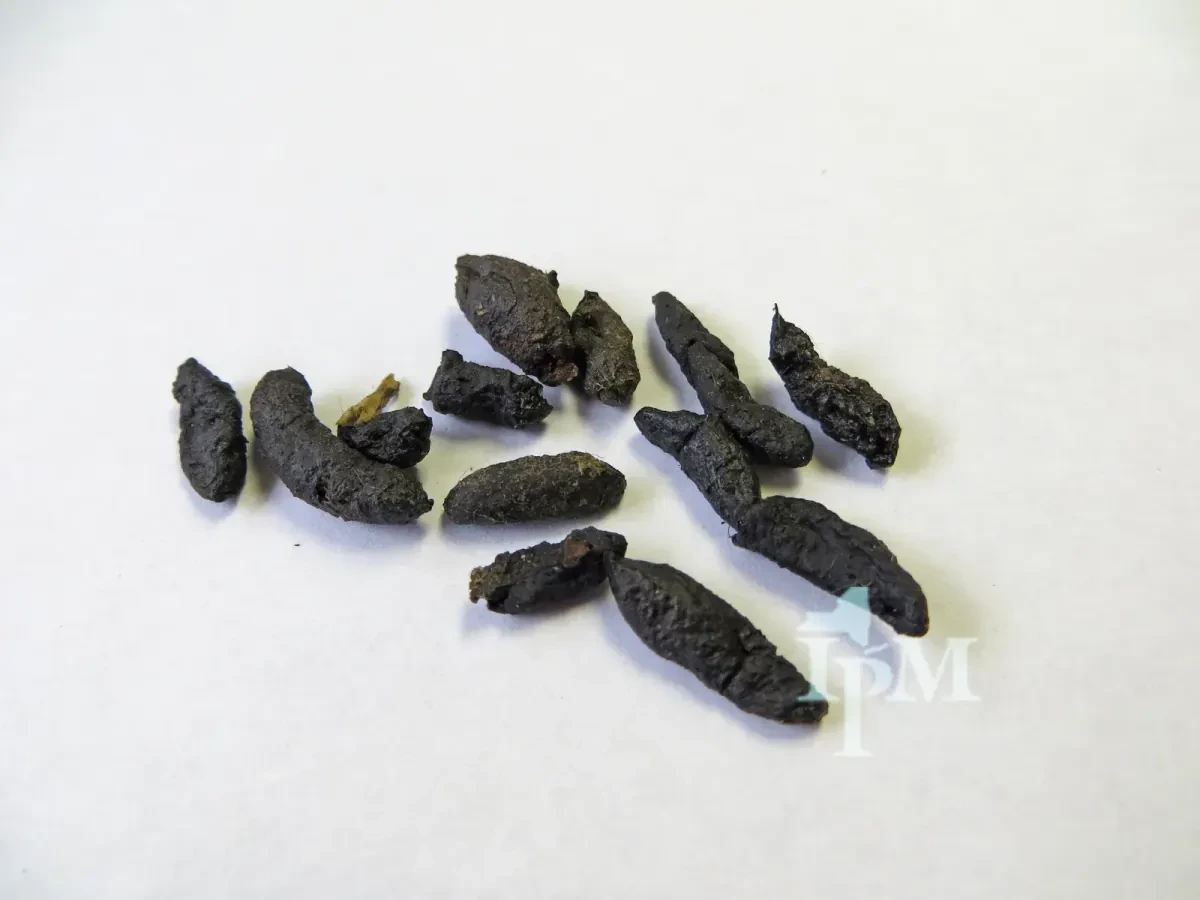
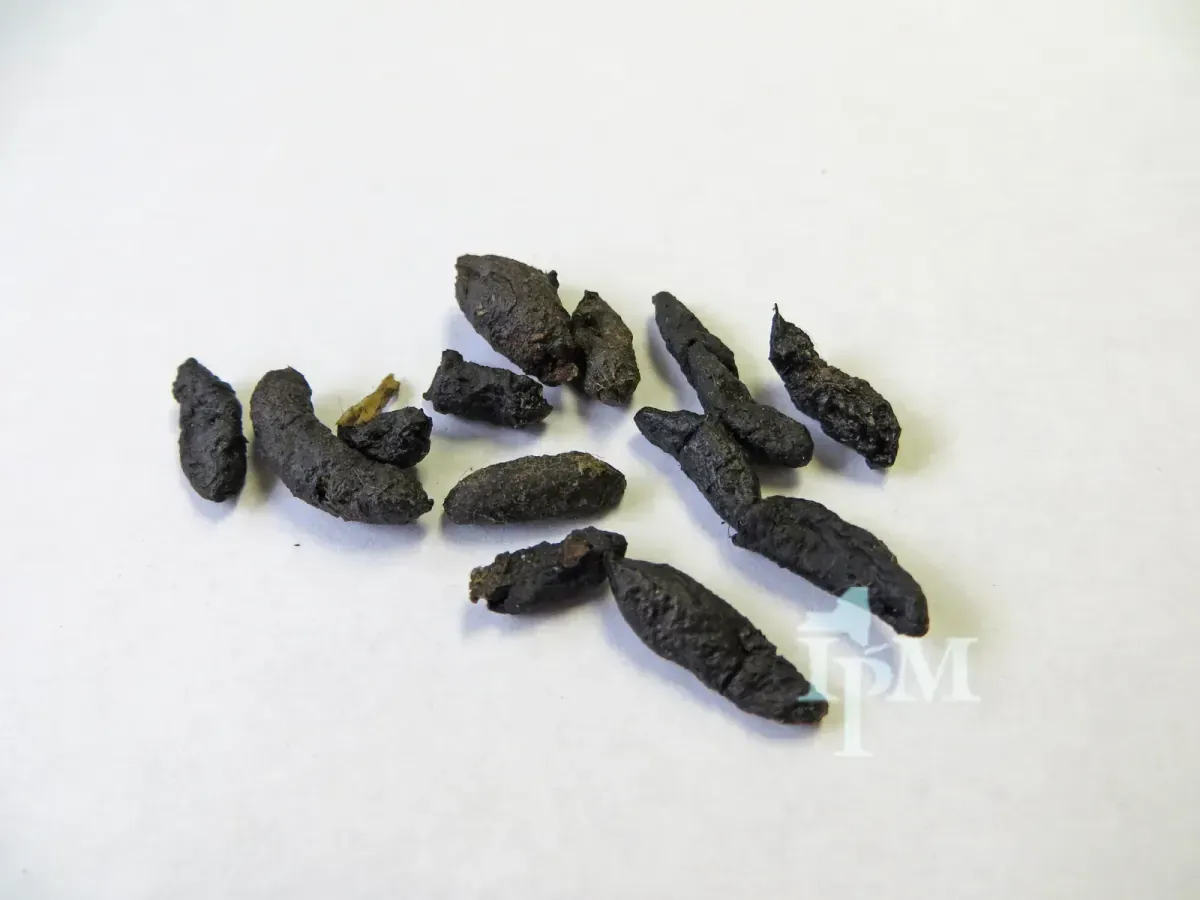
Rat droppings are dark brown to black, capsule- or spindle-shaped, and roughly 12–19mm long — about the size of a large grain of rice or a small olive pip. That single detail is the fastest way to identify them.
Look for these features:
- Size: 12–19mm long and 5–6mm wide — noticeably bigger than a grain of rice.
- Shape: a rounded capsule or spindle. Norway (brown) rats leave droppings with blunt, rounded ends; roof rats leave slightly smaller droppings with more pointed ends.
- Colour: dark brown to black when fresh, fading to dull grey as they age.
- Location: concentrated in a few spots near nesting or feeding areas, rather than spread evenly across a room.
A single rat can leave around 40 droppings in a day, so you’ll usually find them in clusters — along walls, in the back of cupboards, in the roof void, or near a food source.
Rat Droppings vs Mouse Droppings
The quickest way to tell rats from mice is dropping size and how widely they’re scattered. Mouse droppings are much smaller and appear almost everywhere the mouse travels; rat droppings are larger and cluster in fewer, concentrated spots.
| Feature | Rat droppings | Mouse droppings |
|---|---|---|
| Length | 12–19mm | 3–6mm |
| Shape | Capsule/spindle, blunt or pointed ends | Thin rod, pointed ends |
| Colour | Dark brown to black | Dark brown to black |
| How many | ~40 a day, in concentrated piles | 50–75 a day, scattered widely |
| Comparison | Large grain of rice / olive pip | Grain of dark rice / small seed |
If the pellets are small, thin, and turning up in drawers, along skirting boards, and across the whole room, you’re most likely dealing with mice. Larger pellets grouped in a roof void or one corner of the garage point to rats.
Fresh or Old? How to Tell if the Problem Is Active
Fresh droppings are dark, shiny, soft and moist; old droppings are dull, grey, hard and crumble to dust. This tells you whether rodents are active in your home right now.
- Fresh (active): glossy, almost black, soft — deposited within the last day or two.
- Old (past activity): faded grey, dry, and dusty; they break apart when pressed.
Finding fresh droppings in several rooms, or a mix of sizes, usually means an established infestation rather than a single wanderer — and it’s worth acting quickly before numbers climb.
Are Rat Droppings Dangerous?
Yes — rodent droppings can spread disease and should never be swept or vacuumed. Dry droppings can carry bacteria such as Salmonella (food poisoning) and Leptospira (leptospirosis, or Weil’s disease), and the particles can trigger allergies and asthma. Sweeping or vacuuming flicks those particles into the air where they’re easy to breathe in.
To clean up droppings safely:
- Open windows and ventilate the area for a few minutes first.
- Wear disposable gloves and a face mask.
- Dampen the droppings with a disinfectant or bleach solution — don’t sweep or vacuum them dry.
- Wipe up with paper towel, double-bag the waste, and put it in the outside bin.
- Disinfect the surface, then wash your hands thoroughly.
Because safe rodent treatment involves products around the home, it’s also worth knowing how professional pest control keeps pets and children safe during and after treatment.
Why Southern Adelaide Homes Get Rats
Rodents are a year-round reality across Southern Adelaide, and they tend to push indoors as the weather cools in autumn and winter looking for warmth and food. Roof rats are common in suburban and coastal areas — they’re agile climbers that nest in roof voids and wall cavities — while Norway rats favour ground level, drains, and areas near waterways. Older homes, established gardens, and properties backing onto reserves or watercourses all offer easy shelter and entry points.
That’s why droppings so often turn up first in a roof void, subfloor, or the back of a garage: these are the quiet, sheltered spots rodents reach before you ever see the animal itself.
Found Rat Droppings? Here’s Your Next Step
Cleaning up droppings solves the symptom, not the cause. If you keep finding new droppings — especially fresh, dark ones — there’s an active rodent problem that needs the entry points sealed and the population controlled.
Our rodent control service covers Seaford and Southern Adelaide from $200, combining pet-safe baiting with permanent exclusion — sealing the gaps rodents use so they can’t simply return. If the droppings you’ve found have you concerned, a professional inspection will confirm what you’re dealing with and stop it before it spreads.
Hero image: “Norway Rat Droppings” by NY State IPM Program at Cornell University, licensed under CC BY 2.0.
Need Professional Pest Control?
Our licensed technicians serve Seaford and surrounding southern suburbs with transparent pricing and eco-friendly treatments. Get your free quote in 30 seconds.