Termites vs White Ants: Are They the Same Thing?
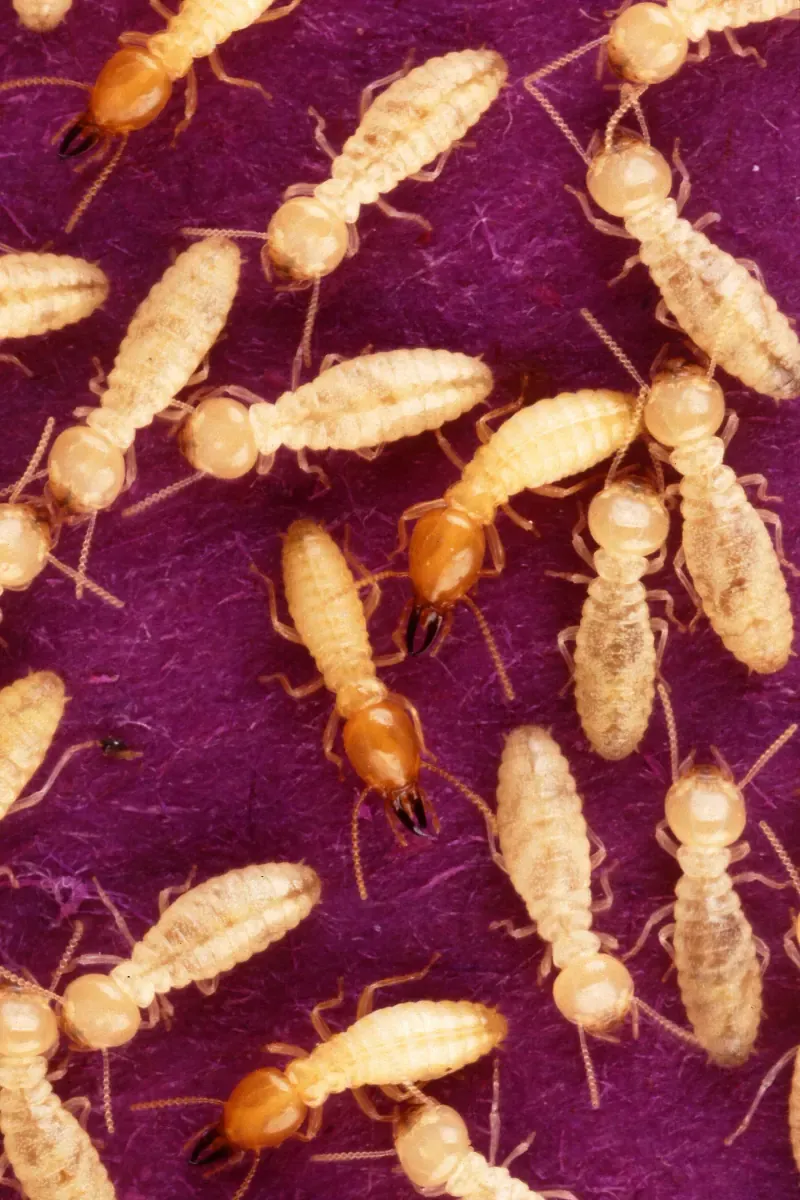
If you grew up in Australia, you’ve heard someone say they have “white ants” in their house. You’ve probably also heard someone correct them: “those aren’t ants, they’re termites.” Both people are right, in a way.
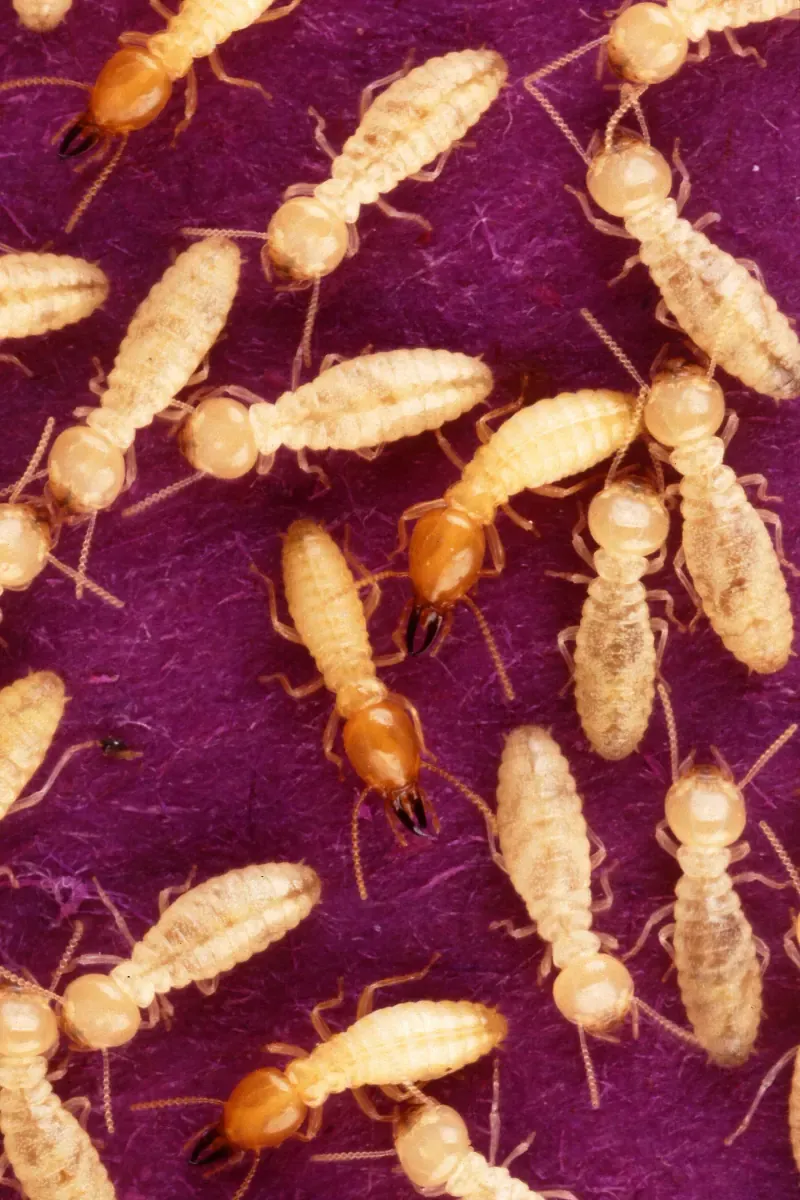
Here’s the short answer: yes, white ants and termites are the same thing. White ant is the common Australian name for a termite. The insect is not an ant, it’s not even closely related to one, but the name has stuck because the pale, soft-bodied workers look a bit like tiny white ants.
Why the word matters
Someone who thinks they have “white ants” might treat the problem like an ant problem — and ant treatments don’t touch termites. That’s the one place the confusion causes real problems.
Why Are Termites Called White Ants?
Three things line up to make the name stick: colour, size and shape, and the fact that the name arrived before the science was widely known. The workers are creamy-white and translucent — that reads as “white.” They’re small and roughly ant-shaped if you’re not looking closely. And “white ant” has been in Australian colloquial use for a very long time — it’s still how most Southern Adelaide homeowners talk about them.
What White Ants (Termites) Actually Are
Here’s the useful biological fact: termites are not ants. Ants are in the order Hymenoptera, alongside bees and wasps. Termites are in Isoptera (or, in some classifications, within Blattodea alongside cockroaches). The current thinking is they’re more closely related to cockroaches than to ants.
That explains why they behave differently:
- Diet. Ants are generalists — they scavenge, hunt, and forage for all kinds of food. Termites eat cellulose — timber, paper, cardboard, and the structural timber in your home.
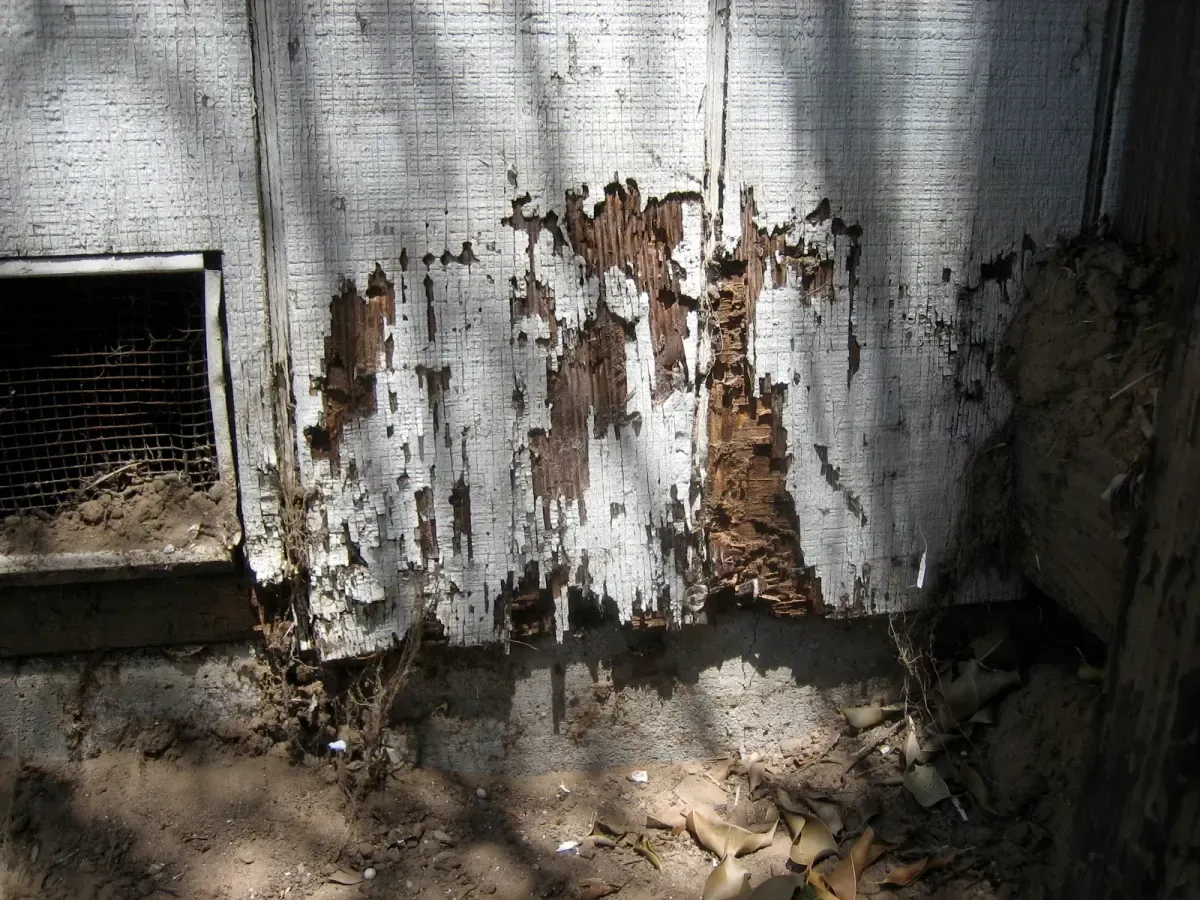
- What they do to your house. Ants may nest in a wall or annoy you in the kitchen, but they don’t eat the structure. Termites do. Subterranean termites — the kind most common in Southern Adelaide — can hollow out structural timber from the inside.
Termites vs Ants: The Quick ID Check
Since people so often conflate the two, here’s the clearest way to tell them apart at a glance. (For the fuller version, including the winged castes, see the companion guide Termites vs Ants: How to Tell the Difference.)
| Feature | Termites (“white ants”) | Real ants |
|---|---|---|
| Waist | Straight, broad — no pinch | Narrow, pinched |
| Antennae | Straight, bead-like | Elbowed (bent) |
| Wings (if winged) | Four wings, all the same length, longer than the body; shed in piles after swarming | Front wings larger than rear pair; don’t shed in piles |
| Colour (workers) | Creamy-white, translucent | Brown or black |
| Diet | Cellulose — timber, paper, cardboard | Scavenge and forage — sugars, proteins, other insects |
| Threat to the home | Structural — eats timber in walls, floors, roof voids | Nuisance — may nest in walls but doesn’t eat the structure |
The single most useful field clue: if you find a pile of discarded wings near a window or on the floor, and they’re all the same size, that’s a strong sign of termites, not ants. Termite alates shed their wings after swarming; ants don’t.
The Southern Adelaide Context
Southern Adelaide is a termite-active area. The sandy coastal soils, the established gardens, the older housing stock with timber framing and subfloors, the homes close to reserves and creek lines — all of it creates favourable termite conditions. The homes most at risk tend to be the ones with established gardens, timber retaining walls, mulch close to the building, poor subfloor ventilation, or older chemical barriers that have expired.
If you’re in this area and someone says they’ve found white ants, the right response is the same as anywhere else: don’t spray, don’t disturb, get it inspected. The name is colloquial — the inspection isn’t.
When “White Ants” Means It’s Time to Book
Book a termite inspection if you’ve found insects you think might be white ants, you’ve seen mud tubes on foundations or brickwork, timber sounds hollow when tapped, doors or windows have suddenly started sticking, you’ve found discarded wings near windowsills, or there’s bubbling or blistered paint you can’t explain.
Mr Solution provides termite (white ant) inspections and treatment across Seaford, Seaford Meadows, Hallett Cove, Happy Valley, Woodcroft, Trott Park, Aldinga Beach, Sheidow Park, Noarlunga Downs, Old Noarlunga, Brighton, and surrounding southern Adelaide suburbs. Inspections start from $290, and we use transparent pricing with no hidden fees — you get the figure before anything is booked.
Ready to check what you’ve found? Get a termite inspection quote or call 0414 335 665.
The One Place the Confusion Causes Problems
Most of the time, “white ants vs termites” is just a terminology thing. The one place it causes real problems is when people treat a suspected termite problem as if it were an ant problem.
Frequently Asked Questions
Are white ants the same as termites?
Yes. “White ant” is the common Australian name for termites, even though termites aren’t ants at all — they’re more closely related to cockroaches. The pale, soft-bodied workers people call white ants are the same insect a pest technician inspects for and treats as termites. If someone in Southern Adelaide says they have white ants, they have termites.
Why are termites called white ants if they’re not ants?
Because the pale, soft-bodied worker termites look superficially like small white ants to an untrained eye. The name stuck in Australian colloquial use long before the actual biology was widely understood. The workers are creamy-white and translucent, which is where the “white” part comes from, and their size and shape are loosely ant-like, which is where the “ant” part comes from. Neither part is accurate.
What’s the difference between white ants and the ants I see in my kitchen?
A lot. Real ants have a narrow pinched waist, elbowed (bent) antennae, and front wings noticeably larger than the rear pair. Termites (white ants) have a straight, broad waist, straight bead-like antennae, and in the winged stage four wings of equal length longer than the body. They’re also fundamentally different animals — ants are omnivores that scavenge and hunt, termites are cellulose-eaters that can damage the timber in your home.
If I have white ants, is it an emergency?
It’s urgent, not necessarily an emergency — but it should be treated as a priority. Termites feed continuously on the timber in your home’s structure, often inside walls, subfloors, and roof voids where you can’t see them. The damage builds quietly and can run to tens of thousands of dollars. The sooner you book a professional termite inspection, the more treatment options you have and the less damage is done.
I found winged insects around my windows — are they white ants?
Possibly. Winged termites (alates) have four wings all the same length, much longer than the body, and a thick straight waist — and they shed those wings in piles near windows. Flying ants have a pinched waist and front wings larger than the back pair. A pile of discarded equal-length wings indoors is a strong sign of termites, not ants. Don’t spray them — take a photo or keep a sample, and book a termite inspection.
If you find what you think are white ants:
- Don’t spray them. Disturbing termites can make the colony retreat and move activity deeper into walls, subfloors, or roof timbers.
- Don’t assume it’s “just ants.” If there’s any chance it’s termites, assume it’s termites until a professional says otherwise.
- Take a photo or keep a sample. A clear photo of the insect, the damage, or the mud tubes gives the inspector a head start.
- Book a termite inspection. Mr Solution termite inspections in Seaford and Southern Adelaide start from $290. A professional inspection checks accessible internal areas, the external perimeter, roof voids, subfloors, moisture issues, termite workings, and likely entry points.
Need Professional Pest Control?
Our licensed technicians serve Seaford and surrounding southern suburbs with transparent pricing and eco-friendly treatments. Get your free quote in 30 seconds.