Ants in the House: Why They Come In and How to Get Rid of Them
One or two ants on the kitchen bench is easy to ignore. A day later there’s a marching column running from the skirting board to the sugar jar. Ants are the most common household pest in Southern Adelaide, and once they’ve found your kitchen, they’re persistent.
Here’s why ants come into the house, which species you’re most likely dealing with locally, and — most importantly — how to get rid of them in a way that actually lasts.
Why Ants Come Into Your House
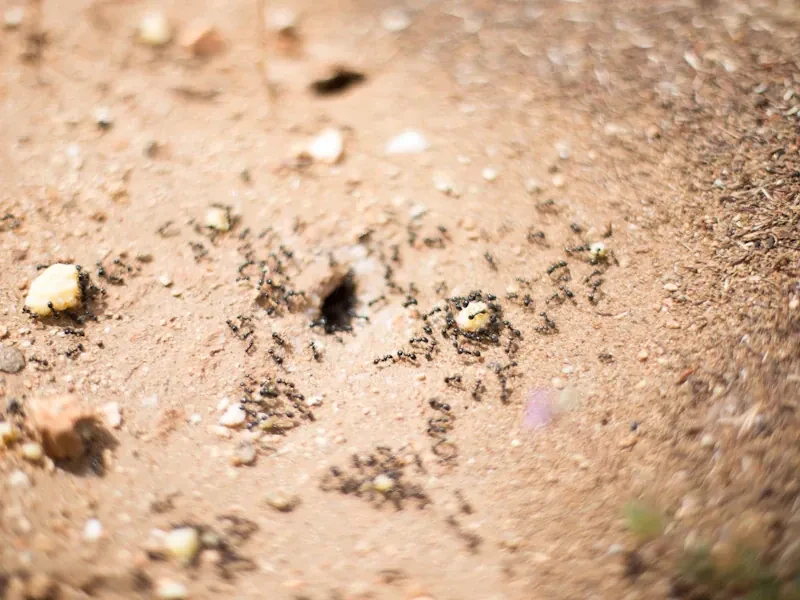
Ants come inside for three things: food, water, and shelter. A single scout ant finds a food source, then lays down a chemical scent trail on its way back to the nest. Every ant that follows reinforces the trail — which is why one ant quickly becomes hundreds.
Common triggers include:
- Food: crumbs, spills, pet food, and anything sweet or greasy left uncovered.
- Water: leaking taps, condensation, and pet water bowls — ants need moisture, especially in a dry Adelaide summer.
- Weather: heat and drought drive ants indoors seeking water; heavy rain pushes them in to escape flooded nests.
- Easy entry: gaps around windows, doors, weep holes, and where pipes enter the wall.
Common House Ants in Southern Adelaide
Not all ants behave the same way, and knowing which one you have affects how you treat it. These are the usual suspects locally.
| Ant | Look | Behaviour |
|---|---|---|
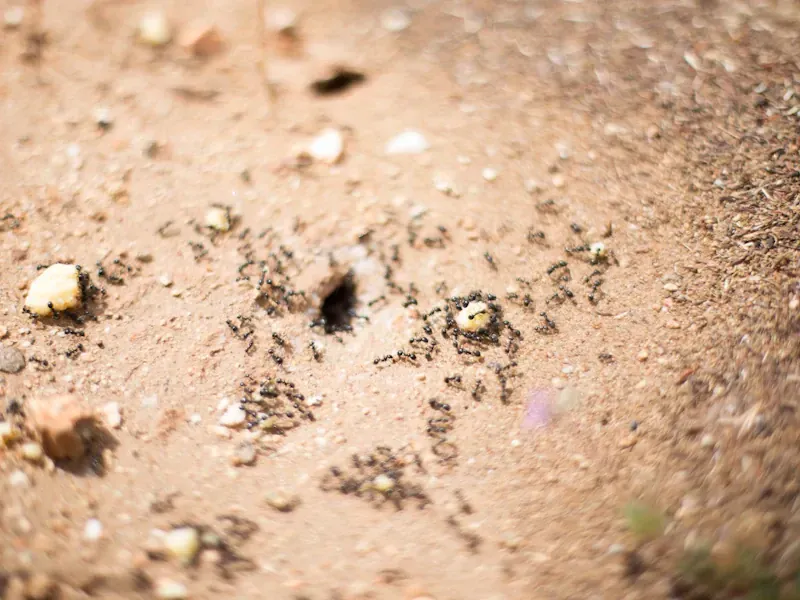
| Coastal brown ant | Tiny, light brown; two worker sizes | Dominant in sandy coastal soils; nests under paths and slabs, leaving small soil piles |
| Black house ant | Shiny black, ~2.5mm | Forages in kitchens for sugar; nests in walls, roof voids and gardens |
| Argentine ant | Light brown, uniform size | Forms huge supercolonies with persistent trails; spraying can make it split and spread |
| White-footed house ant | Black with pale feet | Large colonies, sugar-feeders, common around homes and gardens |
Coastal brown ants are the ones most Southern Adelaide homeowners are describing when they mention “tiny brown ants everywhere” — they thrive in the sandy soils near the coast and are relentless foragers.
How to Get Rid of Ants in the House
The key is to treat the colony, not the trail. The ants you see are a small fraction of the nest — the queen, brood, and most of the workers stay hidden. Kill the visible ants and the colony simply sends more.
A method that actually works:
- Use ant baits, not sprays. Foraging workers carry the bait back to the nest and feed it to the queen, collapsing the colony from the inside.
- Leave the trail alone while baiting. You want workers to keep finding the bait and carrying it home — don’t wipe the trail until the bait has done its job.
- Remove competing food. Clean up spills, seal food, and empty the bin so the bait is the most attractive option.
- Then break the trail. Once activity drops, wipe surfaces with warm soapy water to erase the scent trail so new scouts don’t pick it up.
Why Spraying the Trail Usually Backfires
Reaching for the surface spray feels satisfying, but it treats the symptom. Worse, with coastal brown ants and Argentine ants — both common here — spraying can cause the colony to bud: it splits into several new nests to escape the threat, leaving you with more trails than you started with. This is the single most common reason ant problems keep coming back. For a season-by-season plan, see our guide on how to prevent ants in summer.
How to Keep Ants Out
Once the colony is gone, prevention keeps it that way:
- Wipe benches and store food in sealed containers.
- Fix leaking taps and dry out damp areas — remove the water source.
- Seal gaps around doors, windows, weep holes and pipe entries.
- Keep mulch, garden beds and firewood away from the house wall.
- Trim branches that touch the roof or walls (ant highways).
When to Call a Professional
If ants keep returning after baiting, you have several trails at once, or you simply can’t find where they’re coming from, a professional treatment clears the colony and creates a lasting barrier. Our ant control service covers Seaford and Southern Adelaide from $270, combining targeted baiting with a perimeter treatment so the nest is dealt with — not just the ants on your bench.
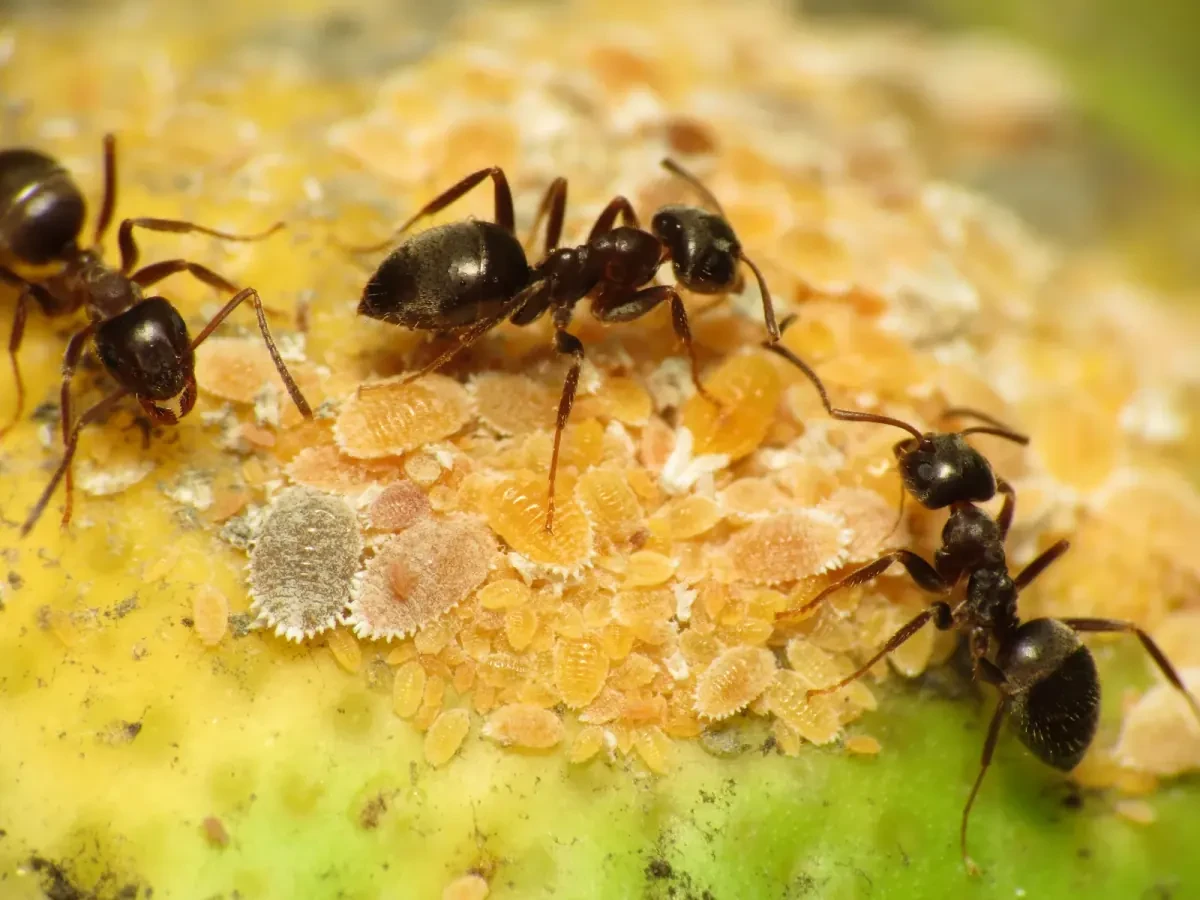
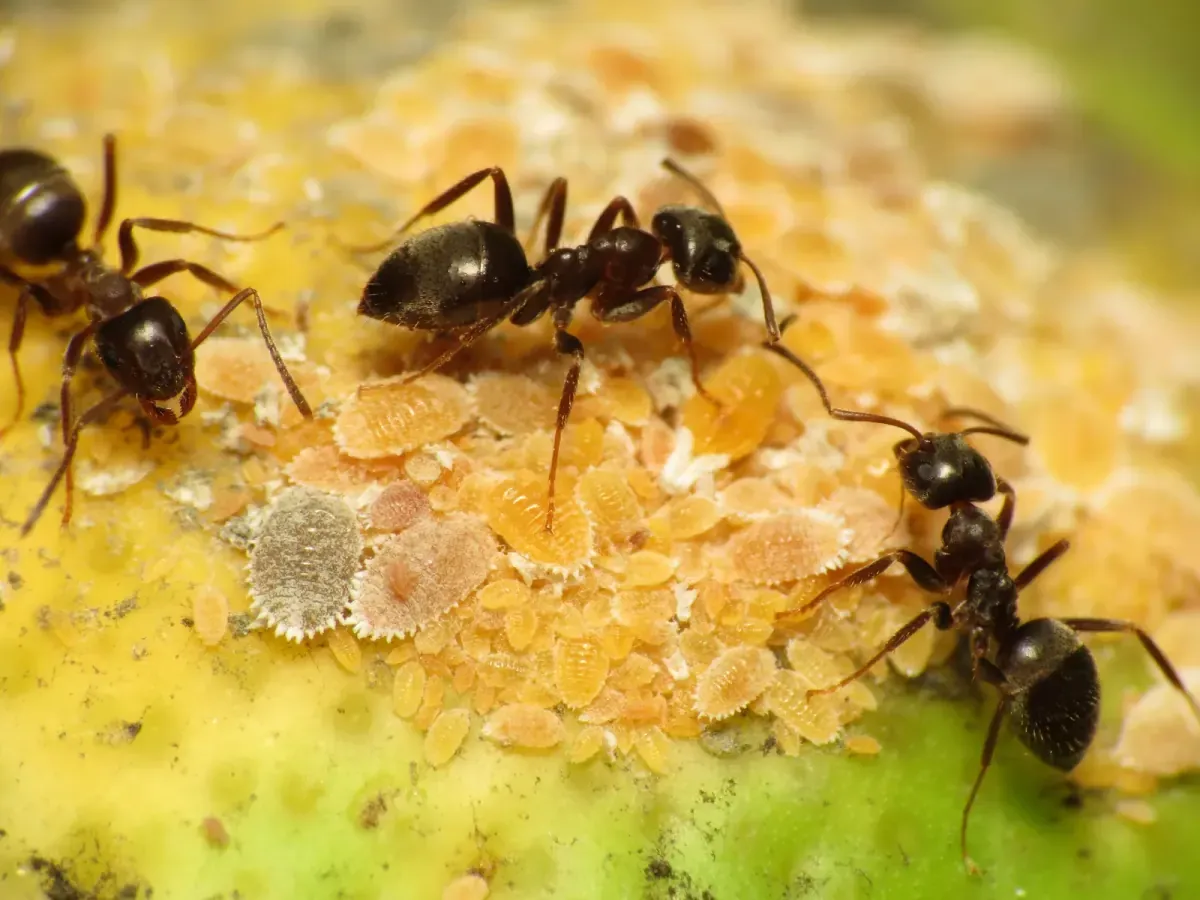
Hero image: “Black Garden Ant tending Citrus Mealybug” by Katja Schulz, licensed under CC BY 2.0.
Need Professional Pest Control?
Our licensed technicians serve Seaford and surrounding southern suburbs with transparent pricing and eco-friendly treatments. Get your free quote in 30 seconds.