Winter Pest Proofing: Prepare Your Adelaide Home
Prepare your Adelaide home for winter pests. Learn which pests seek shelter in colder months and how to pest-proof your property. Expert tips from MR Solutions.
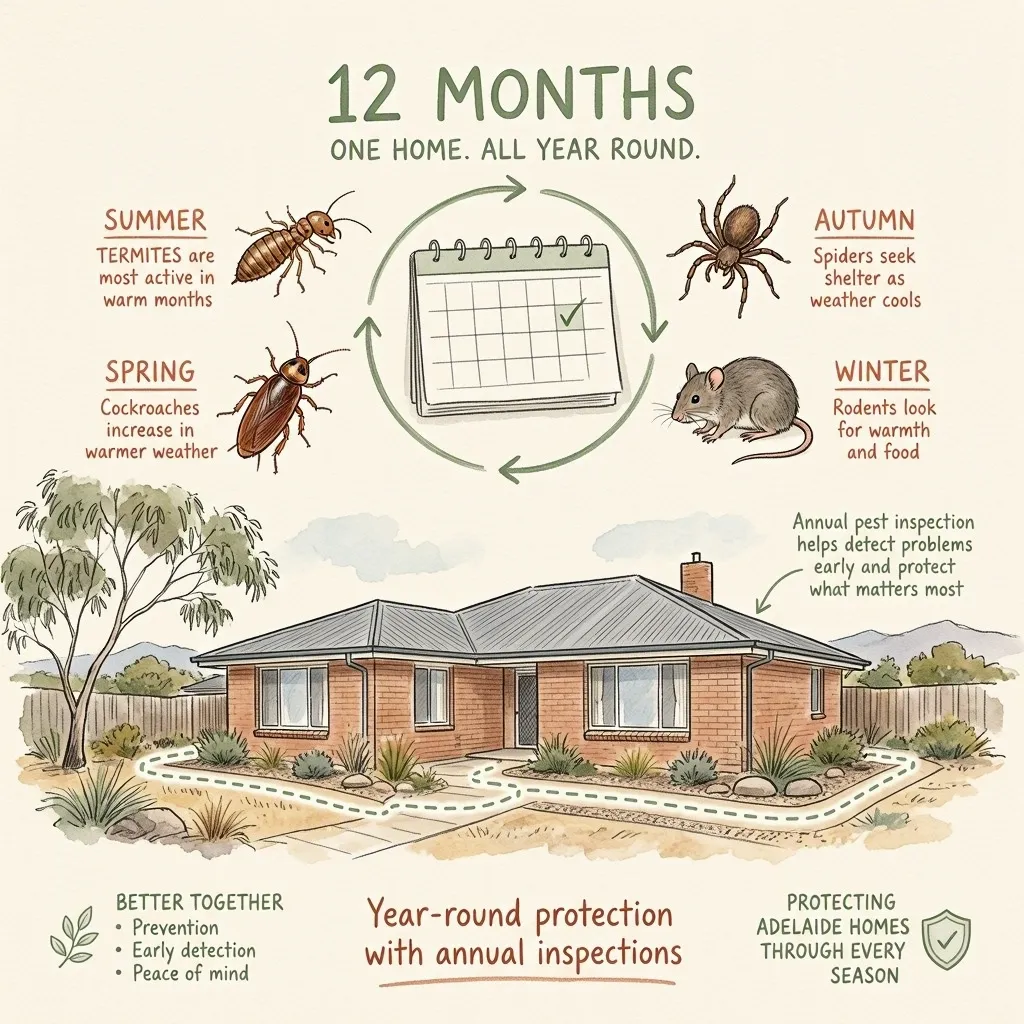
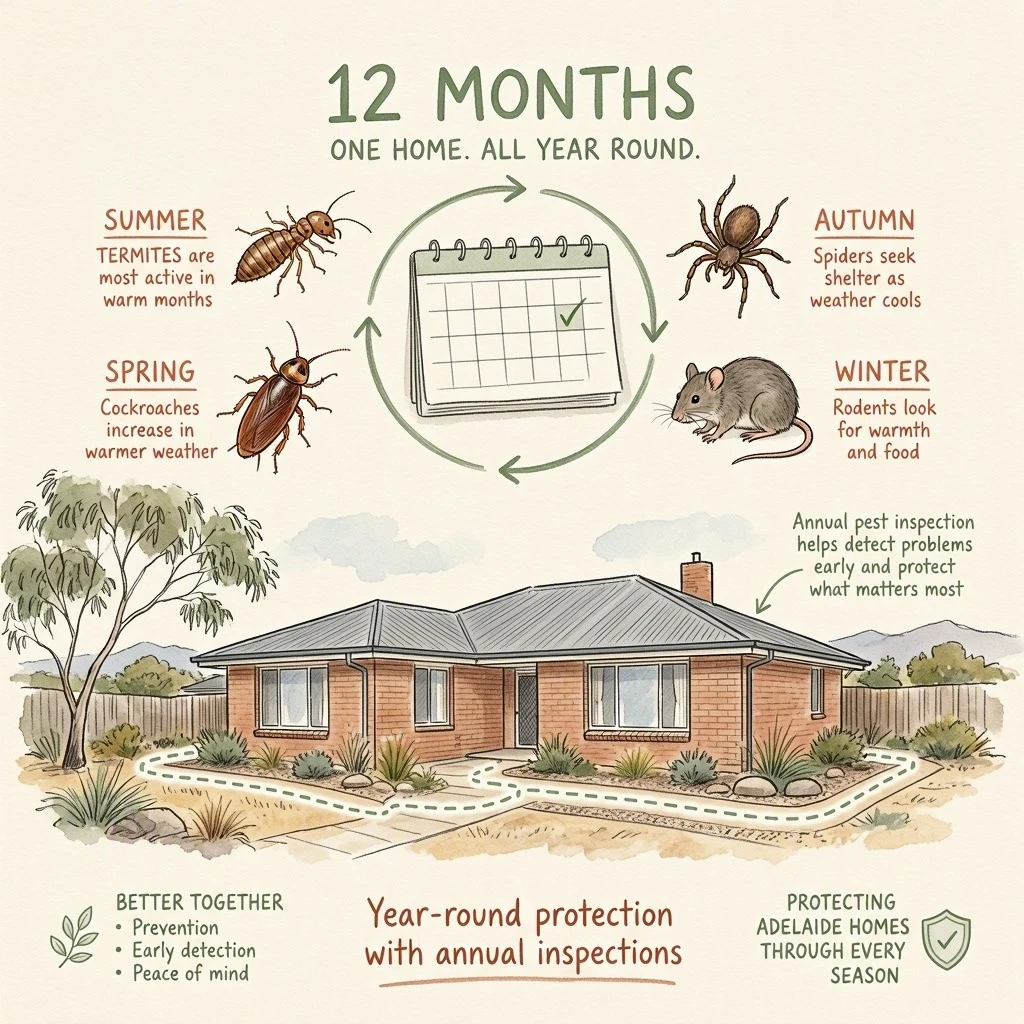
Adelaide winters are mild compared to many parts of Australia, but temperatures still drop enough to drive pests indoors. As the weather cools, pests that have been outdoors seek warm shelter—and your home is an attractive destination.
At MR Solutions, we recommend winter pest proofing as an essential annual task. This guide explains which pests are most active in Adelaide winters, why they move indoors, and how to pest-proof your home before the colder months arrive.
Why Pests Seek Shelter in Adelaide Winters
1. Temperature Drop
While Adelaide winters are relatively mild (average 15°C in July), the temperature drop from summer is significant enough to drive some pests indoors:
- Pests are cold-blooded and seek warmer environments
- Even a few degrees of warmth makes your home attractive compared to outdoors
- Roof voids, subfloors, and wall cavities provide warm, sheltered environments
2. Food Scarcity
Winter means less natural food available outdoors:
- Insects (a food source for many pests) are less active
- Plant material, nectar, and other natural foods are less available
- Pests move indoors to find food sources
3. Shelter from Elements
Winter weather (rain, wind, cooler temperatures) drives pests to seek shelter:
- Your home provides dry, sheltered environments
- Sheds, garages, and other outbuildings are also attractive
- Once pests find shelter, they may stay and establish activity
4. Breeding Cycles
Some pests breed or remain active through winter:
- Rodents breed year-round, with indoor shelter supporting breeding
- Some insect pests remain active indoors
- Cockroaches can remain active in warm indoor environments
Common Winter Pests in Adelaide
1. Rodents — The Primary Winter Concern
Rats and mice are the most significant winter pest concern in Adelaide:
Why rodents are worse in winter:
- They seek warm shelter indoors
- Food sources outdoors are scarcer
- They breed year-round, and indoor shelter supports breeding
- They can enter through remarkably small gaps
Signs of winter rodent activity:
- Droppings (rat: 10-20mm blunt-ended; mouse: 3-6mm pointed)
- Gnaw marks on timber, cables, food packaging
- Scratching and scurrying sounds in walls, roofs, under floors (especially at night)
- Grease marks along walls and beams where rodents travel
- Damaged food packaging
Common entry points for rodents:
- Gaps around pipes entering walls, floors, roofs
- Ventilation openings without mesh
- Gaps under doors (especially garage and shed doors)
- Roof voids and eaves
- Foundation cracks and gaps
- Pet doors (can be entry points for rodents)
Rodent prevention for winter:
- Seal all entry points (gaps larger than 10mm should be sealed)
- Remove food sources (seal food, manage waste, don’t leave pet food out)
- Reduce shelter (declutter, especially in garages, sheds, storage areas)
- Trim vegetation away from house (rodents use vegetation to access roofs and upper levels)
- Consider professional rodent control if you have or suspect activity
2. Cockroaches — Indoor Survival in Winter
Cockroaches can remain active indoors through winter:
- German cockroaches (indoor species) thrive in warm, moist indoor environments
- Kitchens and bathrooms provide ideal conditions year-round
- Indoor heating can keep areas warm enough for cockroach activity
Cockroach prevention for winter:
- Eliminate food sources (seal food, clean crumbs, manage waste)
- Reduce moisture (fix leaks, reduce condensation, ventilate)
- Remove shelter (declutter kitchen and bathroom areas)
- Seal entry points (prevent outdoor cockroaches from entering)
- Consider professional treatment if you have cockroaches
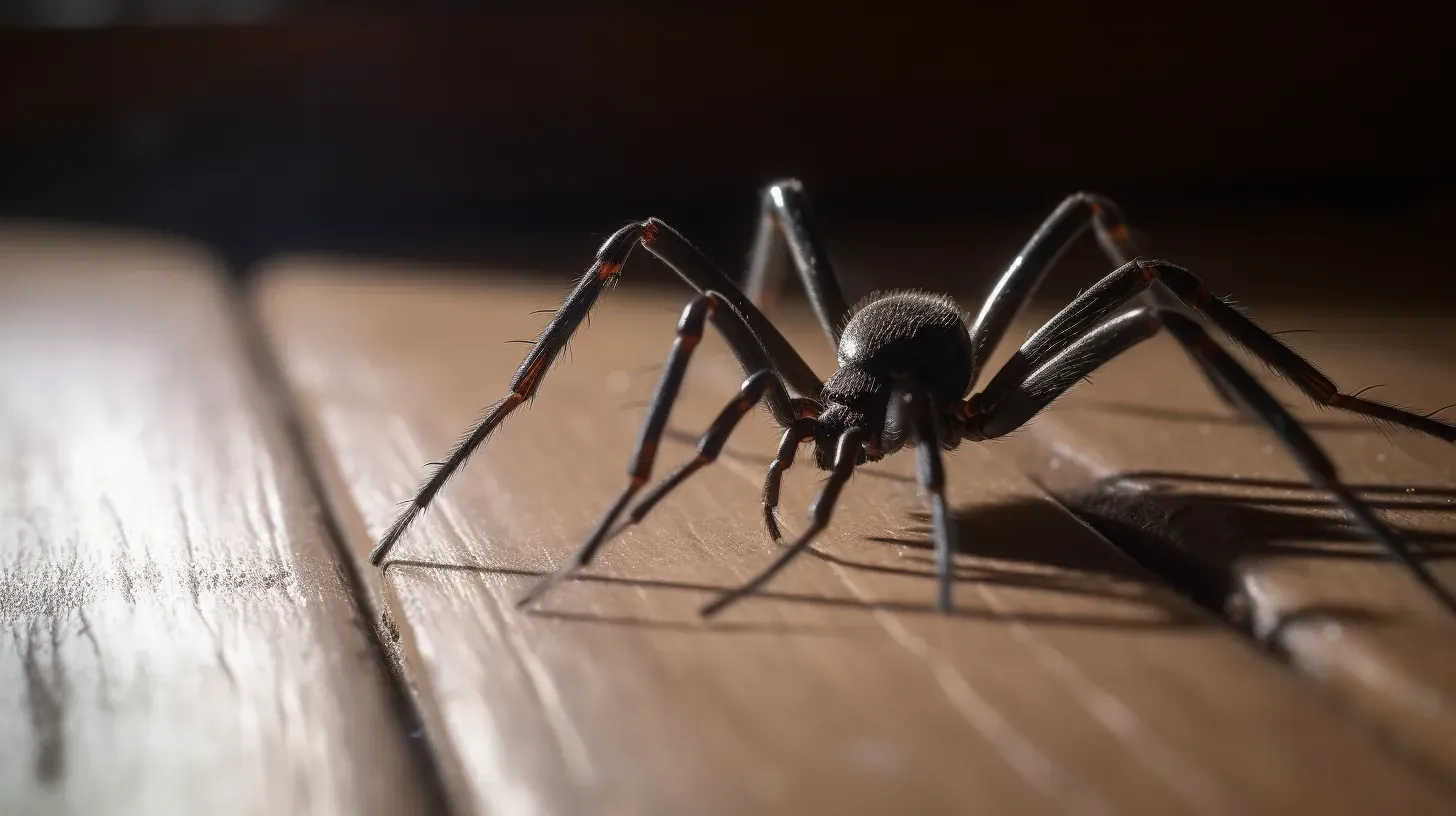
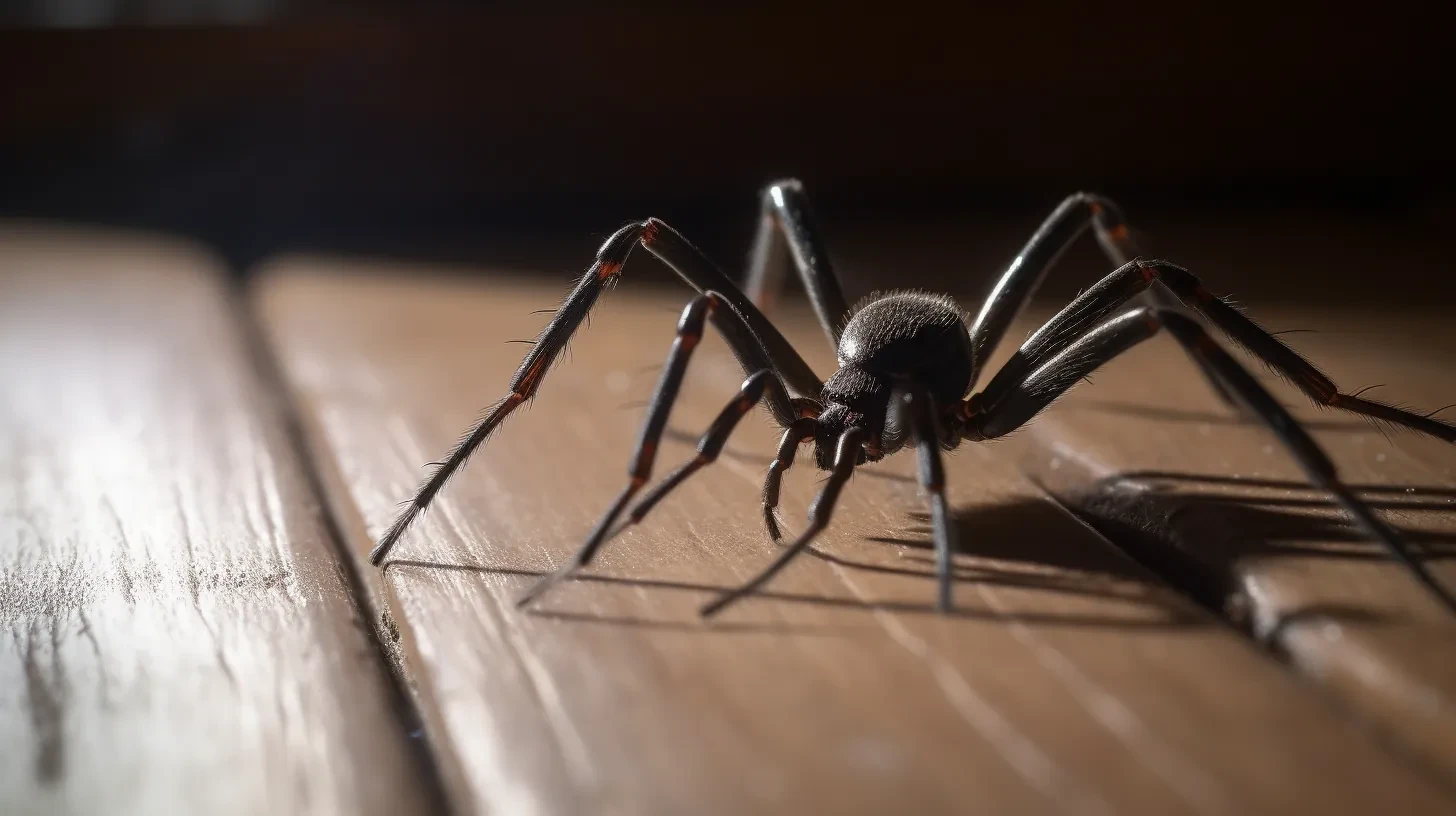
3. Spiders — Indoor Activity Continues
Spiders may still be present indoors through winter:
- Some species adapt well to indoor environments
- Indoor heating provides suitable conditions
- Spiders follow prey (other insects that may also be indoors)
Spider prevention for winter:
- Reduce insect prey indoors (sanitation, manage waste, reduce moisture)
- Seal entry points
- Reduce shelter (declutter, remove undisturbed areas)
- Regular cleaning (vacuum corners, behind furniture, remove webs)
- Consider professional spider treatment if activity is significant
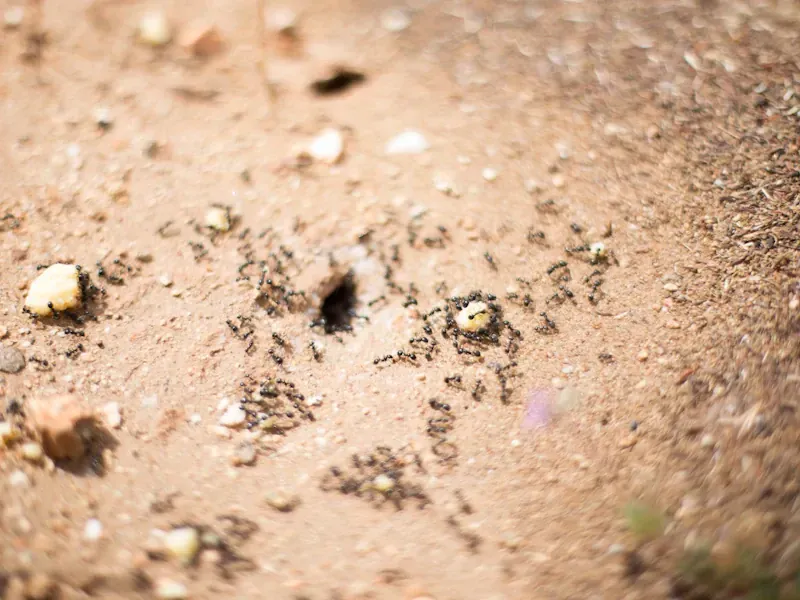
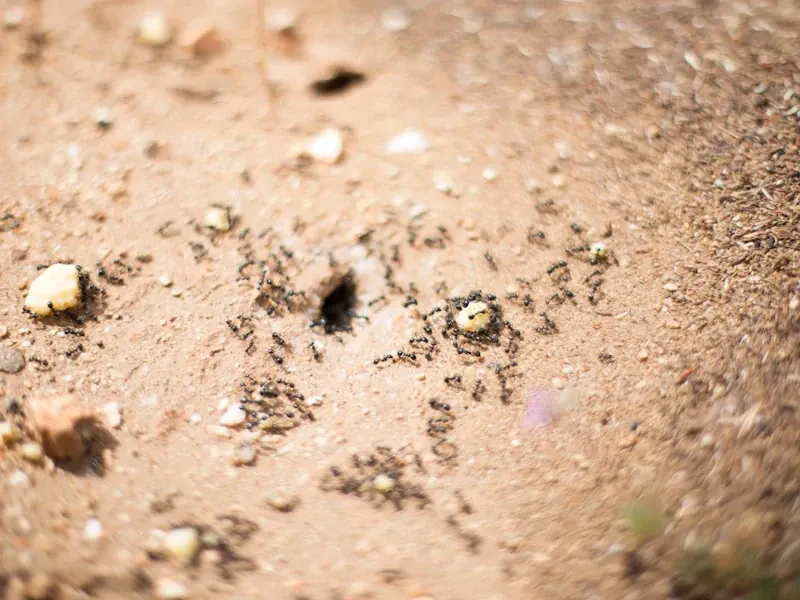
4. Ants — Indoor Foraging in Winter
Some ant species continue foraging indoors through winter:
- Indoor nests may remain active
- Ants follow food sources indoors
- Some ants enter from outdoor nests seeking warmth and food
Ant prevention for winter:
- Keep food sealed, clean crumbs and spills
- Manage waste with sealed bins
- Seal entry points
- Reduce moisture
- Consider professional treatment if ants persist
5. Fleas — Indoor Survival Through Winter
Fleas can survive indoors through winter:
- Pet fleas continue their life cycle indoors
- Warm indoor environments support flea development
- Central heating can create favourable conditions
Flea prevention for winter:
- Maintain pet flea prevention year-round (most important)
- Regular vacuuming, especially where pets rest
- Wash pet bedding regularly in hot water
- Address any flea problems promptly (winter flea problems can persist if not treated)
Winter Pest Proofing Checklist
Use this checklist to pest-proof your Adelaide home before winter:
Seal Entry Points
- [ ] Check and repair weather-stripping around doors and windows
- [ ] Seal gaps around pipes entering walls, floors, roofs
- [ ] Install mesh in ventilation openings
- [ ] Seal foundation cracks and gaps
- [ ] Check for gaps under garage and shed doors, install door sweeps
- [ ] Check roof voids and eaves for gaps
- [ ] Close off unnecessary openings (chimney flues when not in use, unused pet doors)
Remove Food Sources
- [ ] Store all food in sealed containers
- [ ] Don’t leave pet food out overnight
- [ ] Manage waste with sealed bins, remove rubbish regularly
- [ ] Clean crumbs and spills promptly
- [ ] Keep counters clean and food-free
- [ ] Check pantry items for signs of pest contamination
Reduce Shelter
- [ ] Declutter storage areas (especially garages, sheds, spare rooms)
- [ ] Remove cardboard boxes (prefer sealed plastic containers)
- [ ] Move stored items away from walls
- [ ] Reduce piles of clothing, paper, and other clutter
- [ ] Keep areas organized and accessible for inspection
Manage Moisture
- [ ] Fix leaky taps, pipes, and drains
- [ ] Address condensation issues (improve ventilation)
- [ ] Ensure downpipes direct water away from foundations
- [ ] Clear gutters and drains
- [ ] Check for standing water (flower pot saucers, buckets, etc.)
- [ ] Ventilate subfloor areas if accessible
Outdoor Preparation
- [ ] Trim vegetation away from house
- [ ] Move wood piles, debris away from house
- [ ] Manage garden beds away from walls where possible
- [ ] Check exterior for gaps, cracks, and potential entry points
- [ ] Keep bins sealed and away from house
Consider Professional Treatment
- [ ] Schedule fall pest control treatment (March-April) before winter peaks
- [ ] Discuss any specific pest concerns with your pest controller
- [ ] Consider rodent control if you have or suspect rodent activity
- [ ] Consider flea treatment if you have pets and flea concerns
Benefits of Winter Pest Control
1. Less Pest Pressure Means Easier Treatment
Winter often has less overall pest activity, which can make treatment more straightforward:
- Fewer insects means less competition for pest control products
- Some treatments are more effective in cooler conditions
- Outdoor pests are less active, reducing re-infestation pressure
2. Prepare for Spring
Winter pest proofing and treatment sets you up for spring:
- Sealing entry points helps prevent spring pest influx
- Reduced shelter and food sources help prevent problems
- Starting spring with a pest-free home is easier than dealing with spring pest surge
3. Address Winter-Specific Problems
Some pests are specifically problematic in winter:
- Rodents seeking shelter are a major winter concern
- Addressing rodent entry points before winter prevents problems
- Fleas can persist indoors through winter if not addressed
4. Convenience
Winter may be a more convenient time for pest control:
- Less disruption from outdoor pest pressure
- Indoor treatment can be scheduled around your availability
- Preparation for spring can be done in advance
When to Schedule Winter Pest Control
Ideal timing: March-April, before winter peaks but after summer pest activity has subsided.
Why this timing works:
- Summer pest activity has decreased
- Winter pest pressure (rodents seeking shelter) hasn’t peaked yet
- You can seal entry points before rodents start seeking shelter
- Treatment can be done before indoor heating creates favourable conditions for some pests
If you miss the ideal window: Pest control can be done any time during winter if you have problems or want preventive treatment.
Winter Pest Control Cost in Adelaide
| Treatment Type | Typical Cost |
|---|---|
| General pest spray | $200-$450 |
| Rodent control | $300-$600 |
| Cockroach treatment | $250-$500 |
| Flea treatment (home) | $200-$400 |
| Spider treatment | $150-$350 |
Value perspective: Winter pest control can prevent costly problems. Rodent damage to electrical cables (a fire hazard), termite damage (often not covered by insurance), and other pest damage can cost thousands. Prevention and early treatment cost far less.
Frequently Asked Questions
Do I need pest control in winter? Yes, pest control in winter is beneficial. While some pests are less active outdoors, indoor pests can persist, and winter is when rodents seek shelter indoors. Winter pest proofing and treatment prepare your home for spring and address winter-specific problems.
Which pests are most active in Adelaide winters? Rodents (rats and mice) are the primary winter concern as they seek shelter indoors. Cockroaches can remain active indoors. Spiders may still be present indoors. Fleas can survive and breed indoors with pets and central heating.
How do I stop rats and mice entering my home in winter? Seal all entry points (gaps larger than 10mm should be sealed), remove food sources, reduce shelter, and manage outdoor attractants. Professional rodent control can help if you have or suspect activity.
Is winter a good time for pest control treatment? Yes. Winter can be a good time for pest control: less outdoor pest pressure means treatment can be more effective, you can prepare for spring, and winter-specific problems (rodents) can be addressed. Some treatments may be more effective in cooler conditions.
Do fleas die off in winter? Not necessarily. Fleas can survive and breed indoors through winter, especially with pets and central heating. Maintain pet flea prevention year-round and address any flea problems promptly.
---
Need Professional Pest Control?
Our licensed technicians serve Seaford and surrounding southern suburbs with transparent pricing and eco-friendly treatments. Get your free quote in 30 seconds.