How to Prevent Spiders in Your Home This Winter
As temperatures drop across Southern Adelaide, spiders don’t go away — they come inside. Cooler conditions push spiders to seek warmth in wall cavities, ceiling voids, and cluttered storage areas, which means winter is often when homeowners in Seaford and surrounding suburbs start seeing more spiders indoors, not fewer.
Here’s what actually works to keep them out.
Seal Entry Points First
Spiders don’t need much of a gap. Check around:
- Door frames and window seals — weather stripping degrades over time and leaves gaps that are invisible until you look closely
- Pipes and conduit penetrations through walls — utility holes around plumbing and cables are a common entry point
- Weep holes in brick — necessary for drainage, but they can be fitted with weep hole covers that let moisture out while blocking spiders
- Roof eaves and soffits — where roofing meets fascia is a favourite entry route for both spiders and the insects they hunt
A tube of gap filler and a roll of door seal tape handles most of these in an afternoon.
Reduce Clutter in Key Zones
Spiders don’t just enter homes — they establish in them. The areas that give them the most cover are:
- Garages and sheds — cardboard boxes are particularly attractive because they retain warmth and host small insects
- Under beds and behind wardrobes — especially in rooms that don’t see regular foot traffic in winter
- Outdoor furniture stored indoors for winter — check thoroughly before bringing anything inside
Reducing harborage doesn’t eliminate spiders, but it removes the conditions that allow a small spider population to turn into a large one.
Reconsider Your Outdoor Lighting
Bright white lights at night attract moths and other flying insects. Flying insects attract spiders. If you have sensor lights or porch lights that run for long periods, switching to amber or sodium vapour globes dramatically reduces the insect activity — and the spider pressure that follows. It’s a small change with a noticeable effect.
Deal With Webs Promptly
An undisturbed web is an invitation to stay. Removing webs regularly — particularly around eaves, window frames, and the corners of external walls — disrupts established spiders and makes your home less attractive to new ones. A soft broom or vacuum with an extension handle covers most external surfaces quickly.
Know Which Spiders Actually Pose a Risk
Not all spiders warrant the same response:
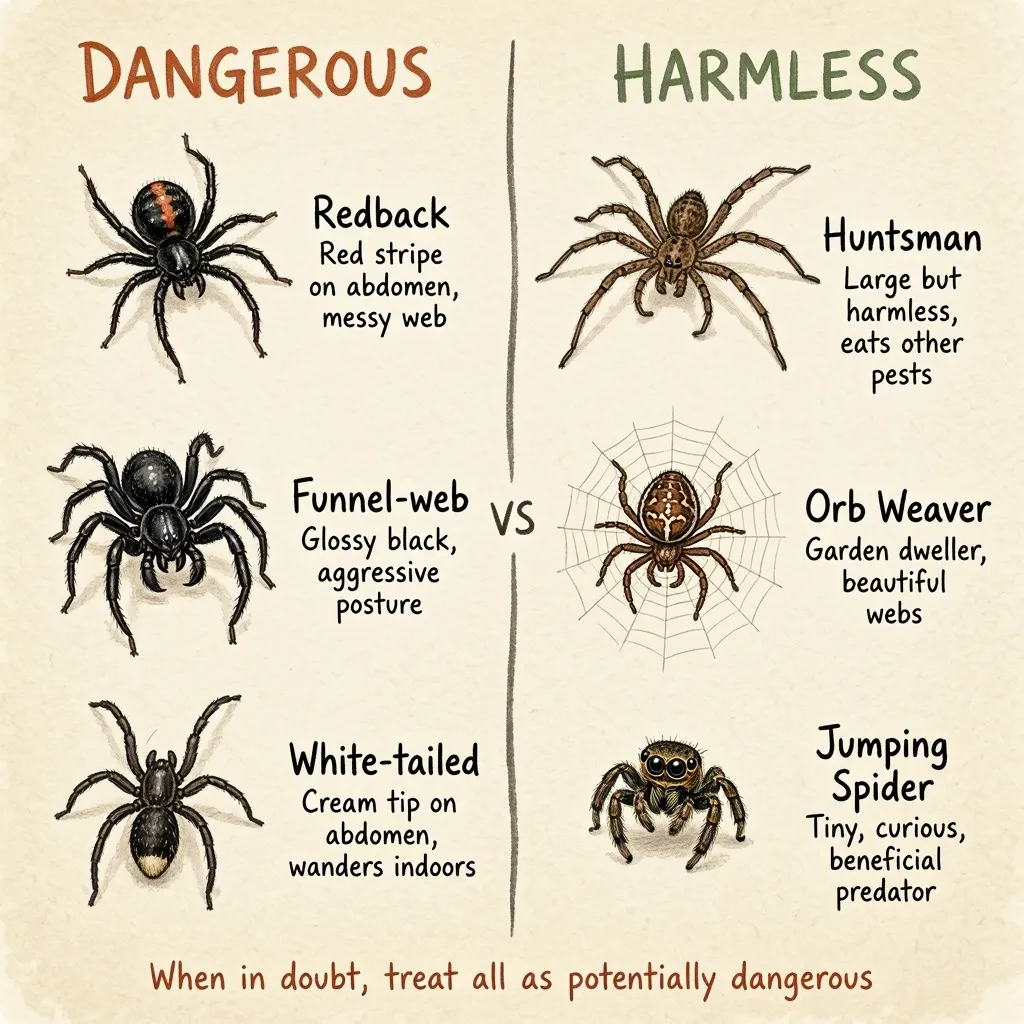
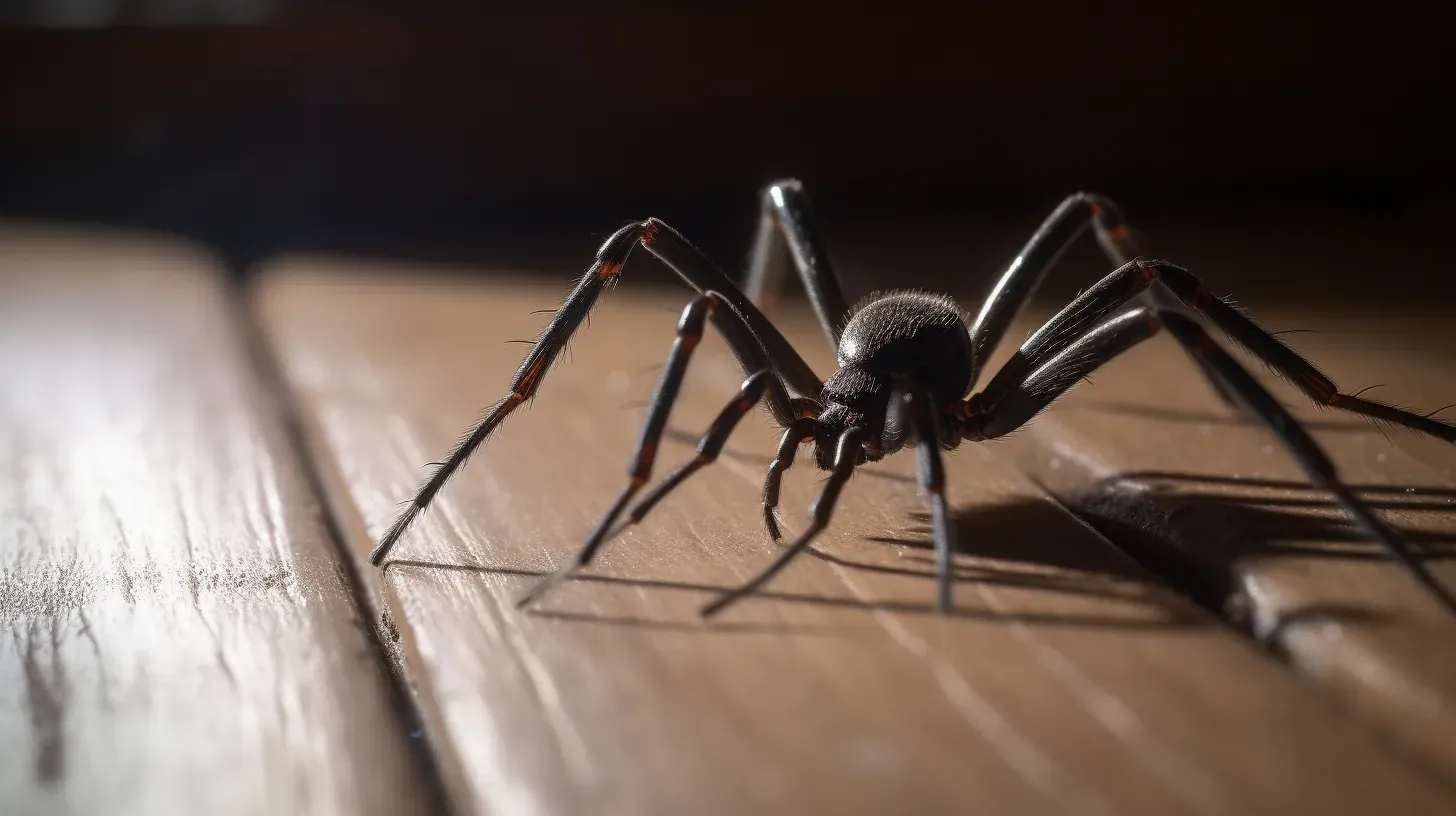
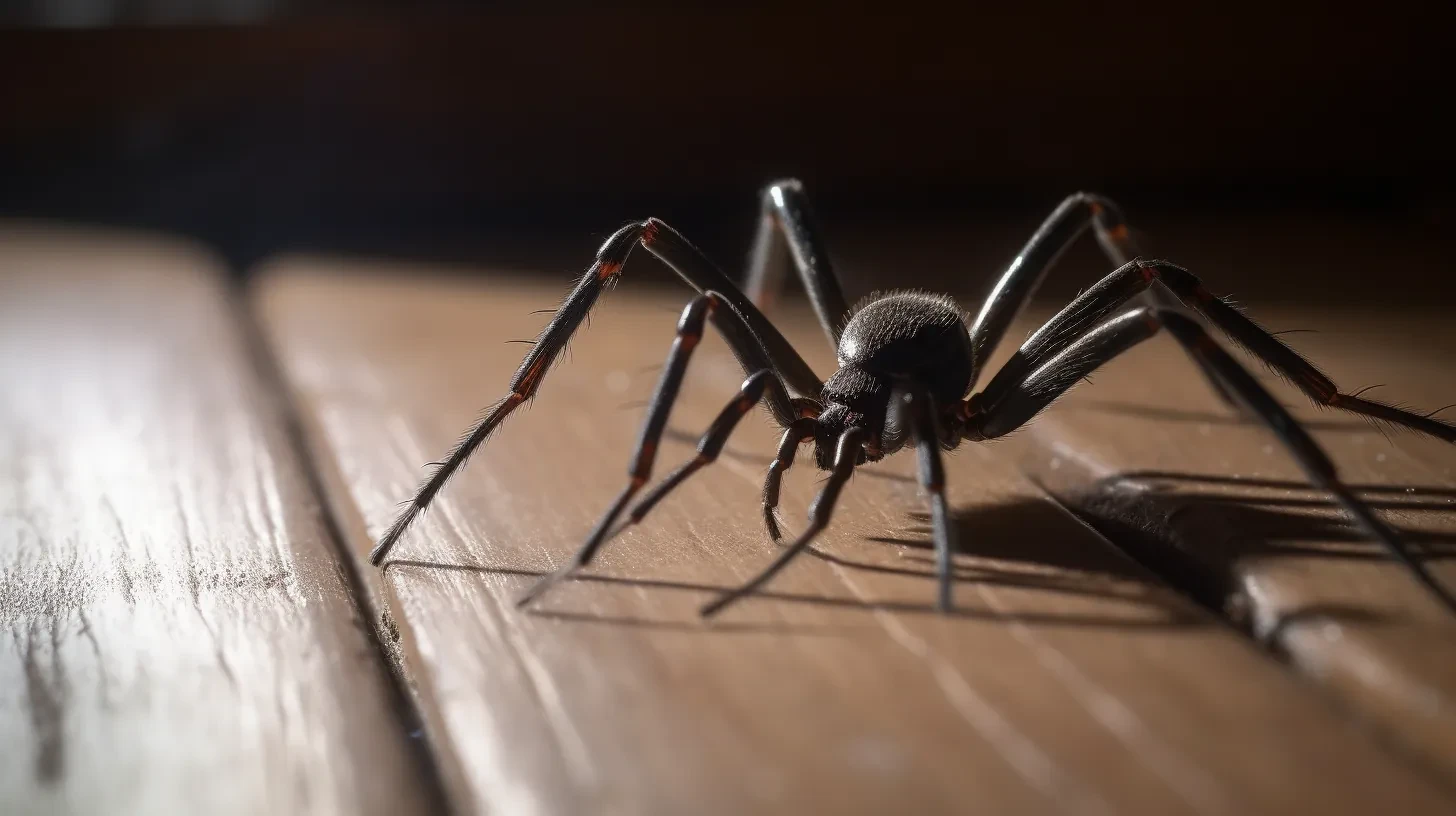
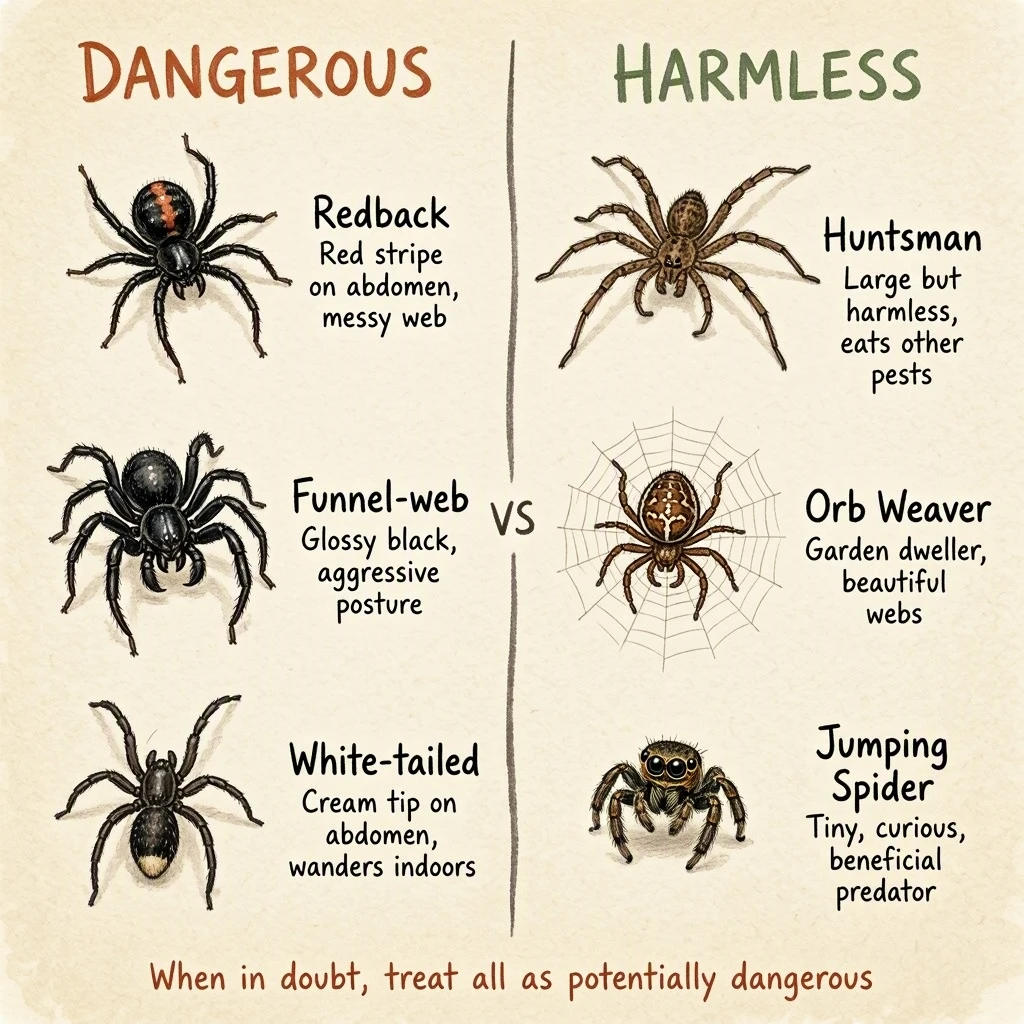
- Redback spiders are the primary concern in Southern Adelaide. They favour dry, sheltered spots — under outdoor furniture, in letterboxes, along fence lines, and in garden sheds. Bites are medically significant.
- White-tailed spiders are a common indoor spider that hunts other spiders. Their bites are painful but rarely cause serious complications despite the myths around them.
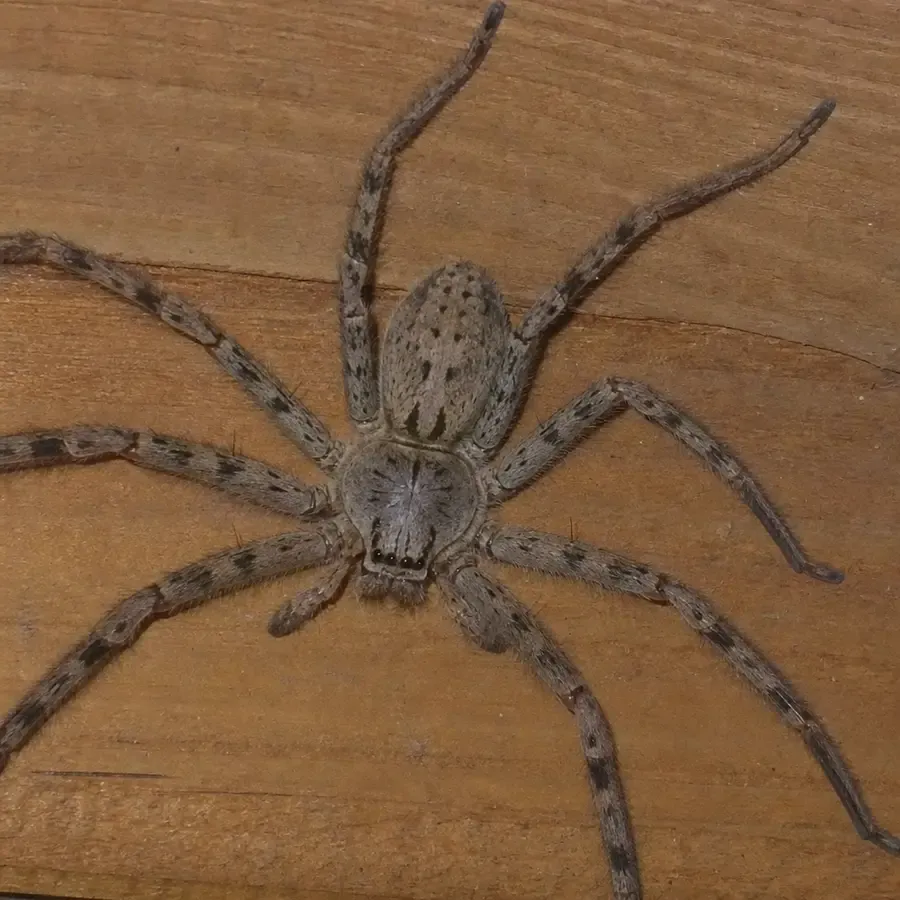
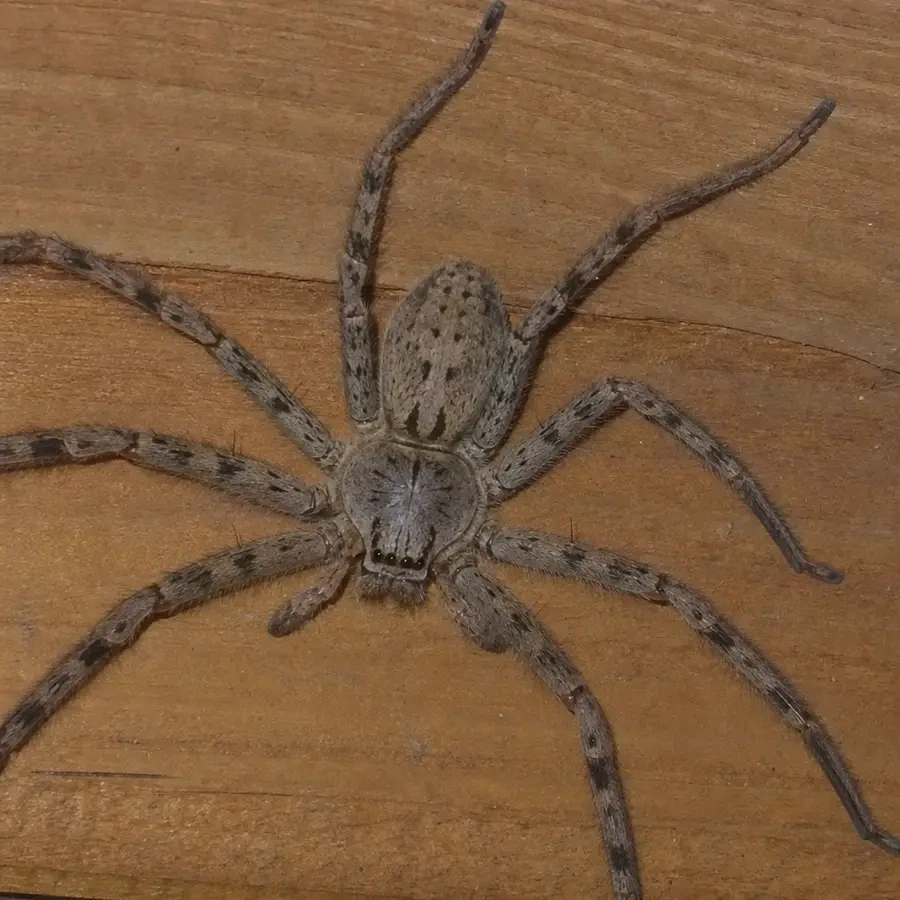
- Huntsman spiders look alarming but are not dangerous. They’re also beneficial — they eat cockroaches and other insects. Unless you genuinely can’t tolerate them indoors, they’re often best left alone.
For redbacks in particular, professional treatment is the most effective option. They nest in areas that are difficult to treat thoroughly without the right products.
When to Book a Professional Spider Treatment
If you’re finding multiple spiders regularly, or you’ve found redbacks in or around your home, a professional spider barrier treatment is the most reliable solution. A residual spray applied to the perimeter, eaves, and common nesting areas provides 6–12 months of protection — significantly longer than anything available over the counter.
The best time to book is before winter sets in, so the barrier is active when spiders start moving indoors. But a mid-winter treatment still adds value by targeting spiders that are already established.
Need Professional Pest Control?
Our licensed technicians serve Seaford and surrounding southern suburbs with transparent pricing and eco-friendly treatments. Get your free quote in 30 seconds.