How to Tell If Your Seaford Home Has Termites
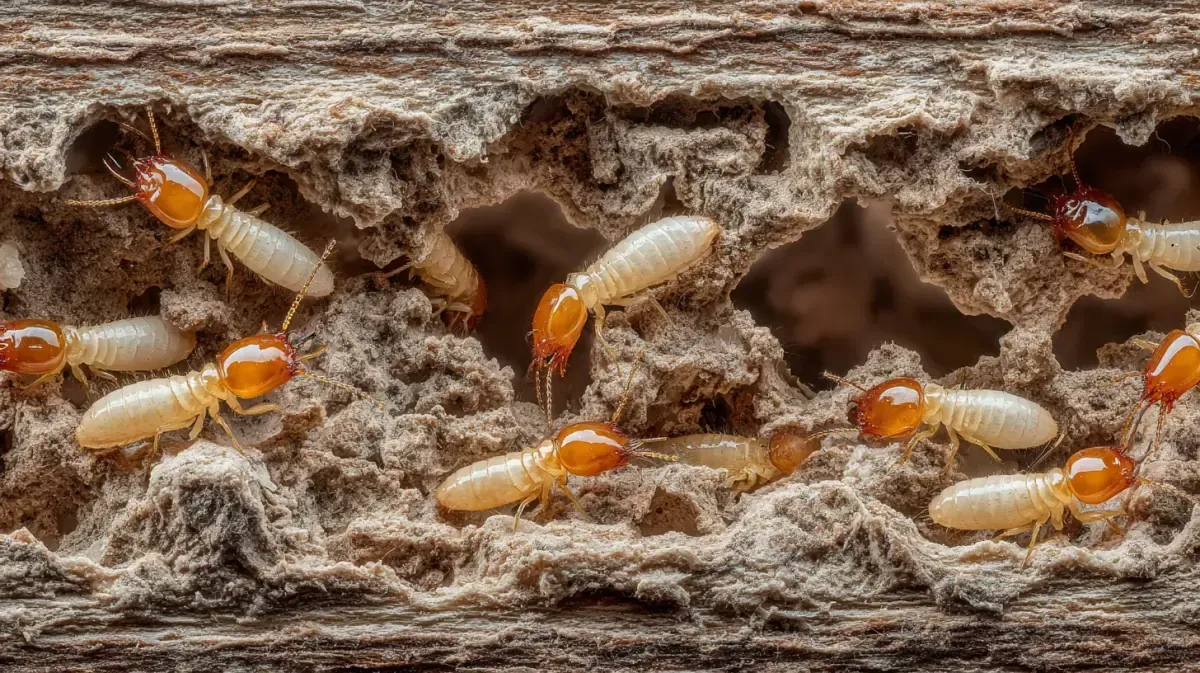
The clearest signs of termites in a Seaford home are: mud tubes on walls or foundations, hollow-sounding timber when tapped, and discarded wings or bubbling paint around windows and skirting boards. Here’s how to spot each one, what not to touch, and when to book a termite inspection.
Termites are quiet, persistent, and very good at staying hidden. By the time obvious timber damage appears, the colony may have already been feeding behind paint, plaster, skirting boards, flooring, or subfloor timbers for months.
For Seaford homeowners, the risk is worth taking seriously. Coastal moisture, established gardens, timber retaining walls, older subfloors, and homes close to reserves or creek lines can all create favourable termite conditions. Early detection gives you more treatment options and can prevent expensive structural repairs.
Here are the warning signs we tell Seaford homeowners to look for, plus what to do if you find something suspicious.
1. Mud Tubes on Walls or Foundations
Mud tubes, also called shelter tubes or termite leads, are one of the clearest signs of subterranean termite activity. Termites build these narrow, brown, soil-like tunnels to travel between the ground and timber while staying protected from light and dry air.
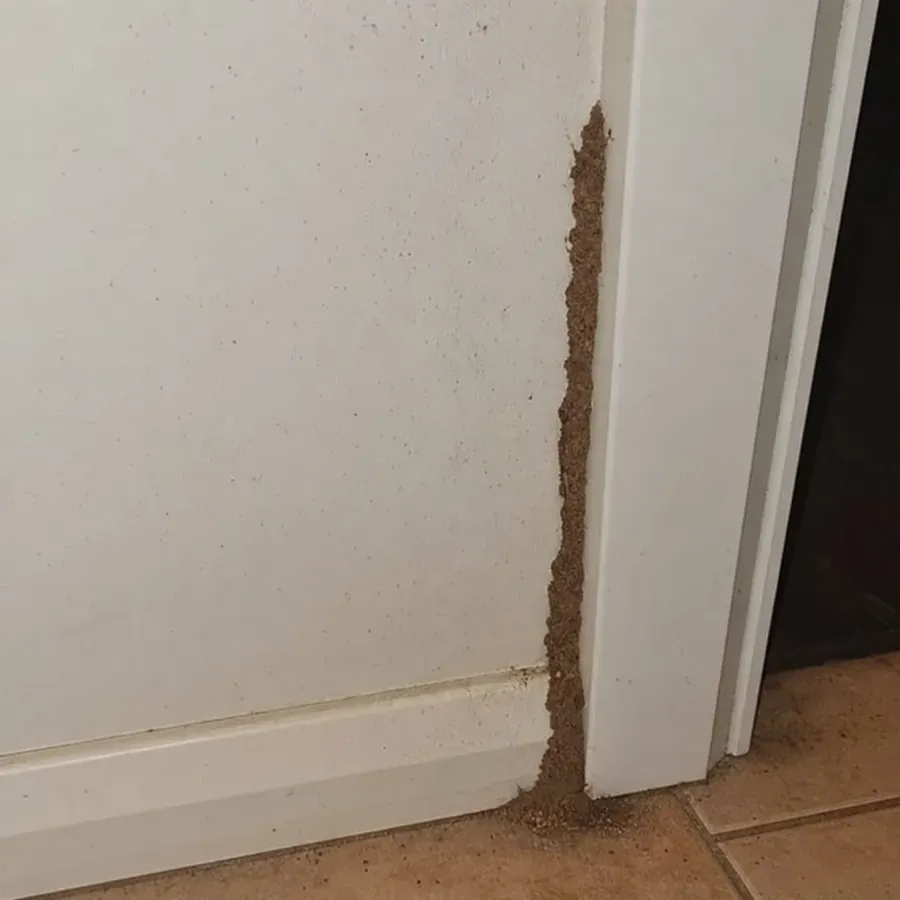
A subterranean termite mud tube on the foundation of a Seaford home. Mud tubes let termites travel from soil to timber unseen — never scrape them away, as a technician can use them to confirm activity and trace the entry point.
Check:
- Brickwork and foundations around the base of the home
- Subfloor piers, stumps, bearers, and joists
- Plumbing penetrations and pipework
- Garage slab edges and expansion joints
- Retaining walls, garden beds, and timber steps near the house
If you find a mud tube, do not scrape it away. A technician can use it to confirm activity, trace the entry path, and recommend the right treatment.
2. Hollow-Sounding Timber
Termites often eat timber from the inside out, leaving a thin surface layer of paint or wood intact. That means the damage can be serious before it looks serious.
Lightly tap skirting boards, architraves, door frames, window frames, and exposed subfloor timber. Timber that sounds hollow, papery, or unusually dull compared with nearby timber should be inspected.
Do not push a screwdriver through suspect timber unless a professional has asked you to. Breaking the surface can disturb live activity and make treatment harder.
3. Tight-Fitting Doors or Windows
One door that sticks after wet weather is not automatically a termite problem. But doors or windows that suddenly become tight, warped, or hard to close can be a warning sign when the surrounding timber has also changed.
Termite activity can introduce moisture into door frames, window frames, flooring, and wall timbers. That moisture can cause timber movement, swelling, and distortion.
Pay attention if the issue appears alongside hollow timber, bubbling paint, cracked architraves, or visible mud leads.
4. Discarded Wings Near Windows or Doors
During warm, humid weather, reproductive termites can leave a mature colony to start new colonies. After swarming, they shed their wings.
Look for small, translucent wings around:
- Window sills
- Door tracks
- Light fittings
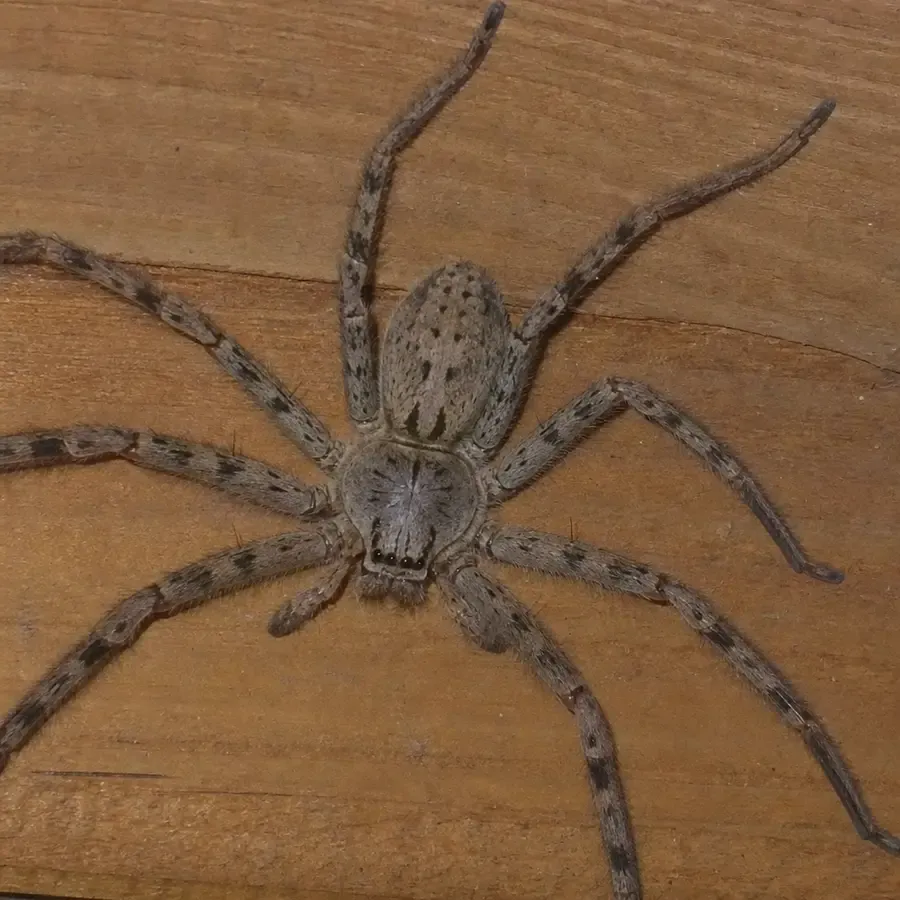
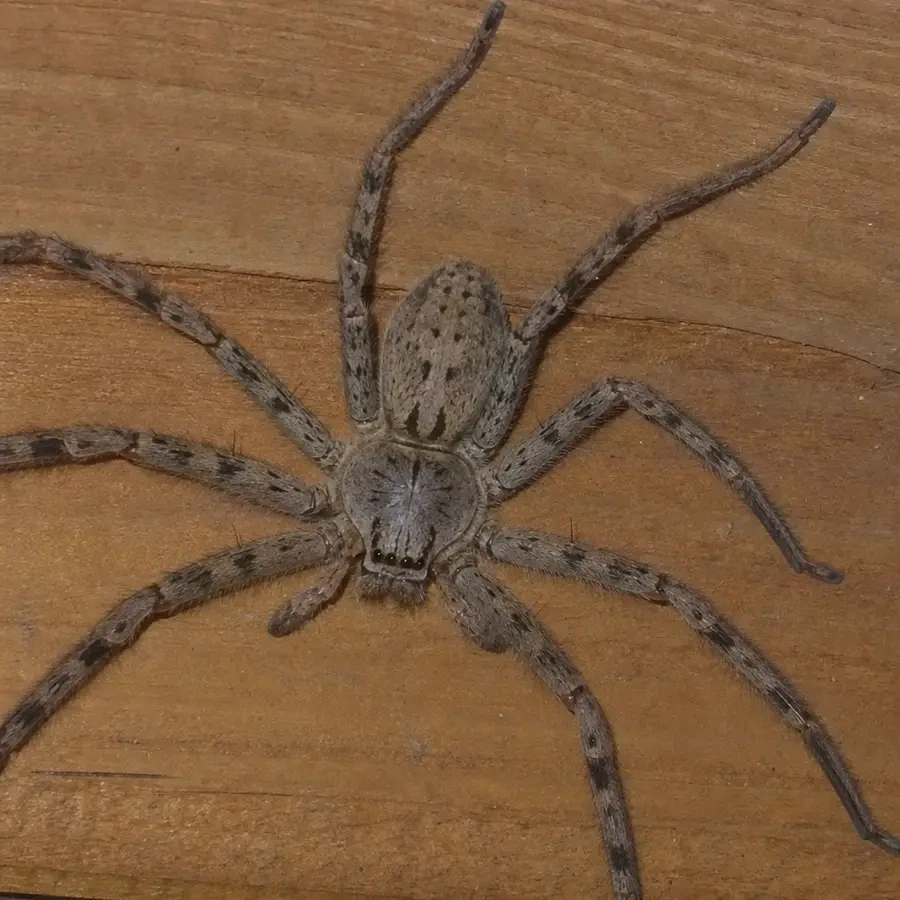
- Spider webs near windows
- Garage entries
Discarded wings do not always mean termites are already eating your house, but they do mean termite activity is close enough to justify an inspection.
5. Bubbling Paint, Blistered Timber, or Fine Cracks
Paint or plaster can bubble when moisture builds up behind the surface. In a Seaford home, that might be a plumbing leak, poor ventilation, or water ingress. It can also be linked to termite activity.
Check bubbling paint or blistered timber near:
- Skirting boards
- Wet areas such as bathrooms and laundries
- External walls
- Window frames
- Built-in cupboards on external walls
Termites are attracted to moisture, so even if termites are not present yet, damp timber and hidden leaks increase future risk.
6. Sagging Floors, Soft Spots, or Buckling
Advanced termite damage can weaken bearers, joists, flooring, and other structural timbers. Warning signs include:
- Soft or spongy areas underfoot
- Uneven floors
- Buckled timber flooring
- Sagging sections near walls or doorways
- New cracks around cornices, ceilings, or internal joins
These symptoms can have other causes, but they are serious enough to inspect quickly. If structural timber is compromised, waiting can make the repair bill much larger.
7. Garden and Yard Clues Near the House
Termite colonies often start outside before they reach the home. Seaford properties with established gardens, timber landscaping, and damp shaded areas should be checked regularly.
Look around the yard for:
- Timber sleepers or retaining walls that are soft or crumbling
- Old stumps, buried roots, or stored firewood
- Fence posts that sound hollow near the base
- Mulch built up against brickwork or weep holes
- Leaking taps, air conditioner drains, or downpipes
- Soil or garden beds sitting above slab edge or damp-course level
These conditions do not prove termites are inside your home, but they do create easier pathways and better feeding conditions.
8. Live Termites or Damaged Timber
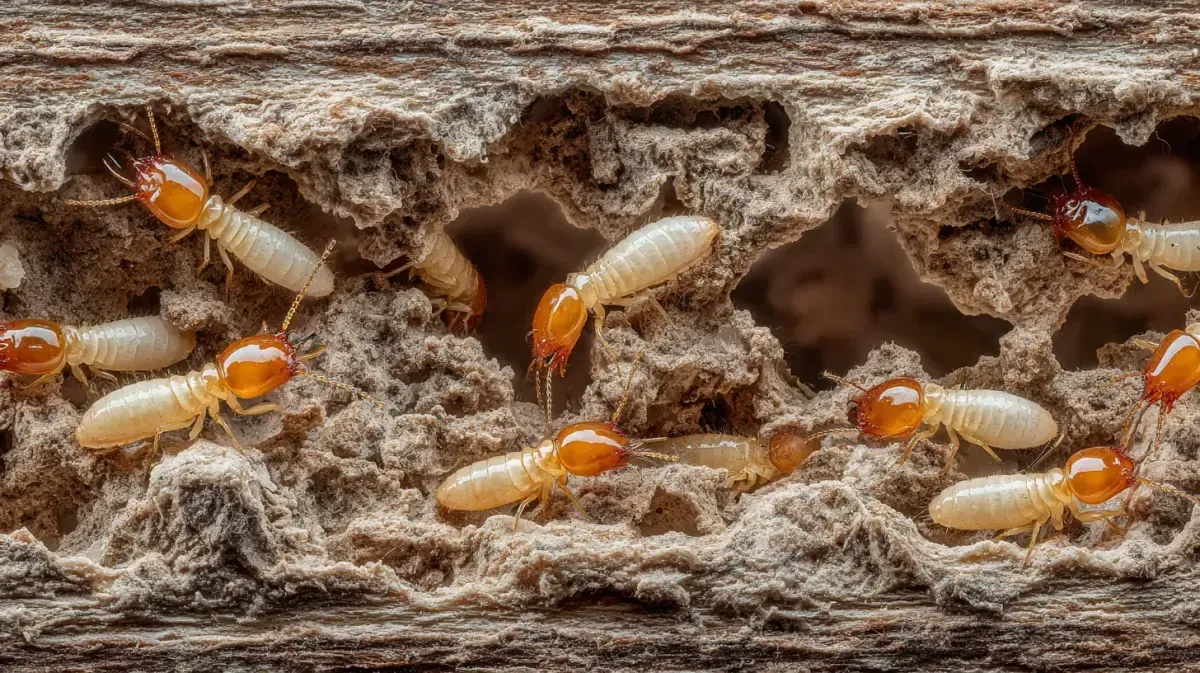
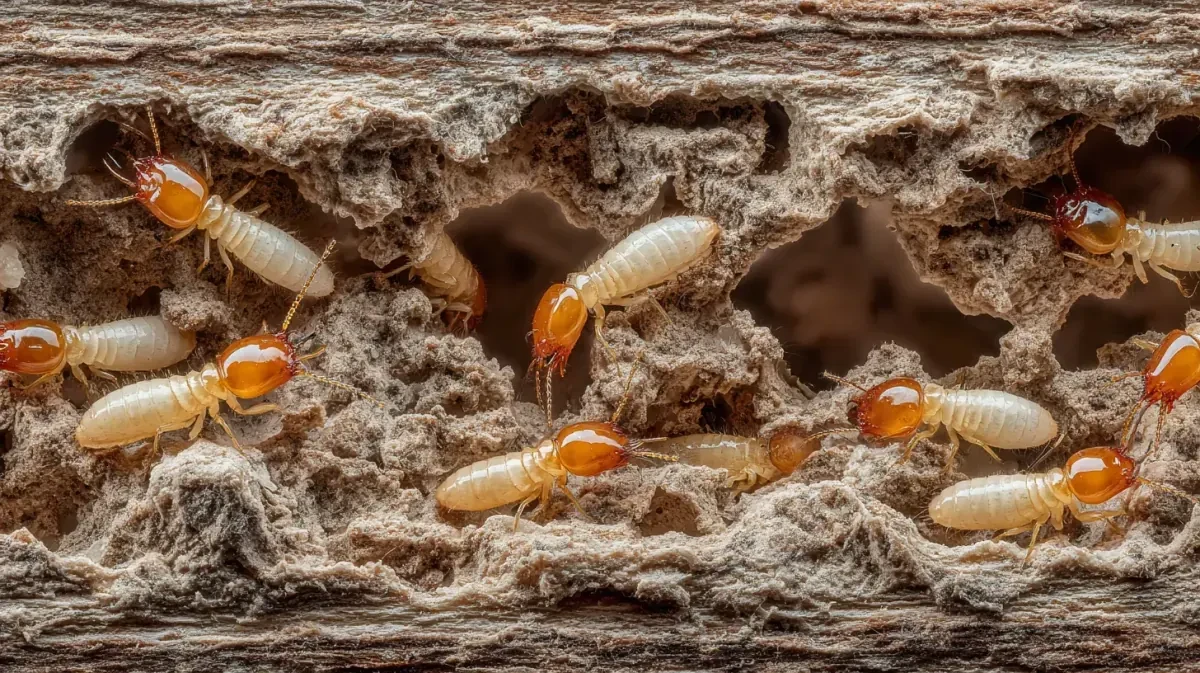
Live termites are usually pale, soft-bodied insects. They avoid light, so homeowners often discover them when moving timber, opening damaged garden sleepers, or exposing a hidden section of wall or floor.
Damaged timber may show:
- Layered or honeycomb-like galleries
- Mud packed inside timber voids
- Thin outer timber with little strength underneath
- Crumbling sections along the grain
- A damp, earthy smell
If you accidentally expose live termites, stop. Take a photo if you can do it without disturbing them further, then leave the area alone until it can be inspected.
What to Do If You Suspect Termites in Seaford
If you have spotted one or more of these signs, do not panic. Do act quickly and carefully.
Step 1: Don’t Disturb the Area
Do not spray household insecticide, break open the timber, remove mud tubes, or start pulling apart the damaged area. Disturbing termites can cause them to retreat and move activity to a less visible part of the building.
If it is safe, take clear photos from a short distance. Note where you found the sign and when you noticed it.
Step 2: Book a Professional Inspection
A licensed pest controller can inspect accessible internal areas, the external perimeter, roof voids, subfloors where accessible, fences, retaining walls, moisture issues, and termite-conducive conditions.
At Mr Solution, termite inspections use visual inspection, tapping/sounding, moisture detection, and thermal imaging where appropriate. You can also read our guide on what to expect during a termite inspection.
Step 3: Get a Treatment Plan
If active termites are found, the right treatment depends on the termite species, the construction of your home, the entry points, the extent of activity, and whether the colony can be targeted directly.
Common options include baiting systems, localised treatment, chemical soil barriers, reticulation top-ups where installed, or a combination approach. Our termite treatment service explains the main options.
How Much Does a Termite Inspection Cost in Seaford?
At Mr Solution, our comprehensive termite inspections start at $290 and include:
- Internal and external inspection of accessible areas
- Subfloor and roof void checks where access is available
- Moisture readings and thermal imaging where appropriate
- Identification of termite-conducive conditions
- Written findings with photos
- Clear treatment recommendations and pricing if action is needed
You can request pricing through our online quote form or call 0414 335 665 if you need advice urgently.
Prevent Future Termite Problems
Whether you have had termites before or you are trying to reduce risk, the best prevention work is usually moisture control, timber management, and regular inspection.
Focus on:
- Remove timber debris: Clear old stumps, timber offcuts, cardboard, and stored firewood from beside the home.
- Fix leaks quickly: Repair leaking taps, gutters, downpipes, air conditioner drains, and irrigation near the foundation.
- Improve drainage: Keep water moving away from the house and avoid persistently damp garden beds against walls.
- Maintain clearance: Keep soil, mulch, and garden beds below slab edge, damp-course, and weep hole levels.
- Ventilate subfloors: Poor airflow can keep timber damp and attractive to termites.
- Inspect annually: Book a professional termite inspection at least once a year, or more often if your property has known risk factors.
When to Call Mr Solution
Call for a termite inspection if you have found mud tubes, hollow timber, discarded wings, unexplained paint bubbling, soft flooring, damaged landscaping timber, or live termites.
Mr Solution provides termite inspections and treatment across Seaford, Seaford Meadows, Hallett Cove, Happy Valley, Woodcroft, Trott Park, Aldinga Beach, and surrounding southern Adelaide suburbs. We offer transparent pricing, family-conscious treatment options, and clear reporting so you know exactly what is happening in your home.
Ready to check a suspicious sign? Get a termite inspection quote or call 0414 335 665.
Frequently Asked Questions
What is the clearest sign of termites in a Seaford home?
Mud tubes on foundations, brickwork, subfloor piers, or around plumbing penetrations are one of the clearest signs of active subterranean termite movement. Hollow-sounding skirting boards, bubbling paint, discarded wings, or suddenly tight doors can also point to termite activity.
Should I spray termites if I find them?
No. Spraying or disturbing termites can make the colony retreat and move activity deeper into walls, subfloors, or roof timbers. Leave the area intact, take photos from a distance, and book a licensed termite inspection.
How much does a termite inspection cost in Seaford?
Mr Solution termite inspections in Seaford start from $290. A professional inspection checks accessible internal areas, the external perimeter, roof voids, subfloors where accessible, moisture issues, termite workings, and likely entry points.
How often should Seaford homeowners get a termite inspection?
Annual termite inspections are a sensible baseline for Seaford homes. Properties with subfloors, previous termite activity, damp areas, timber retaining walls, heavy garden mulch, or bushland and creek proximity may need more frequent checks.
Will termites go away on their own?
No. Termites do not leave a home on their own — a colony that has found a food source will keep feeding until the timber is damaged or the colony is treated. The longer activity goes undetected, the more extensive (and costly) the repair. Early detection gives you more treatment options.
What are the first signs of termites in a house?
The first signs are usually subtle: mud tubes on foundations or subfloor piers, timber that sounds hollow when tapped, and doors or windows that suddenly stick. Discarded wings near windowsills and bubbling or blistered paint are also common early indicators.
Need Professional Pest Control?
Our licensed technicians serve Seaford and surrounding southern suburbs with transparent pricing and eco-friendly treatments. Get your free quote in 30 seconds.