What to Expect During a Termite Inspection
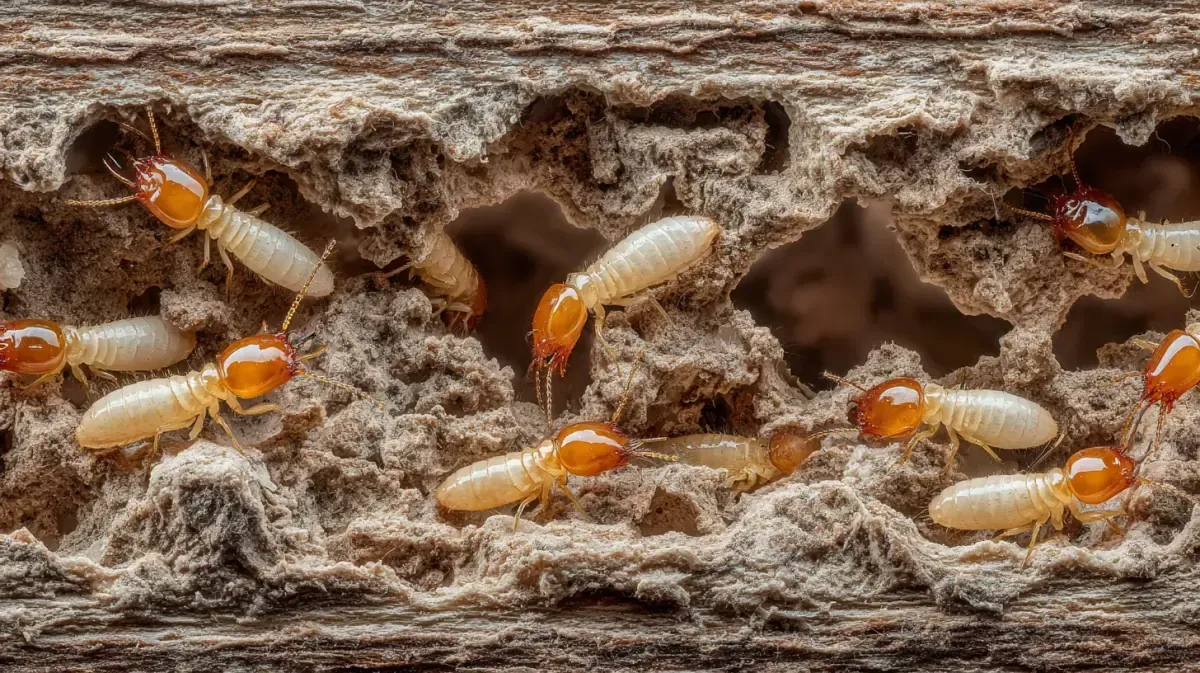
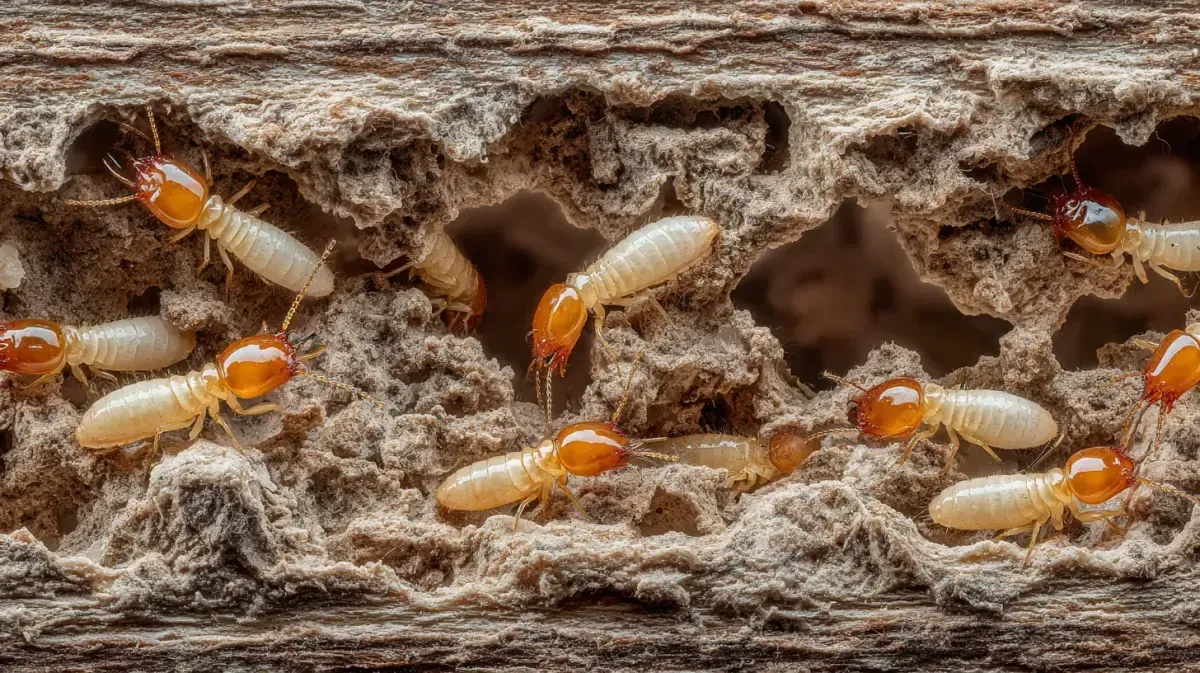
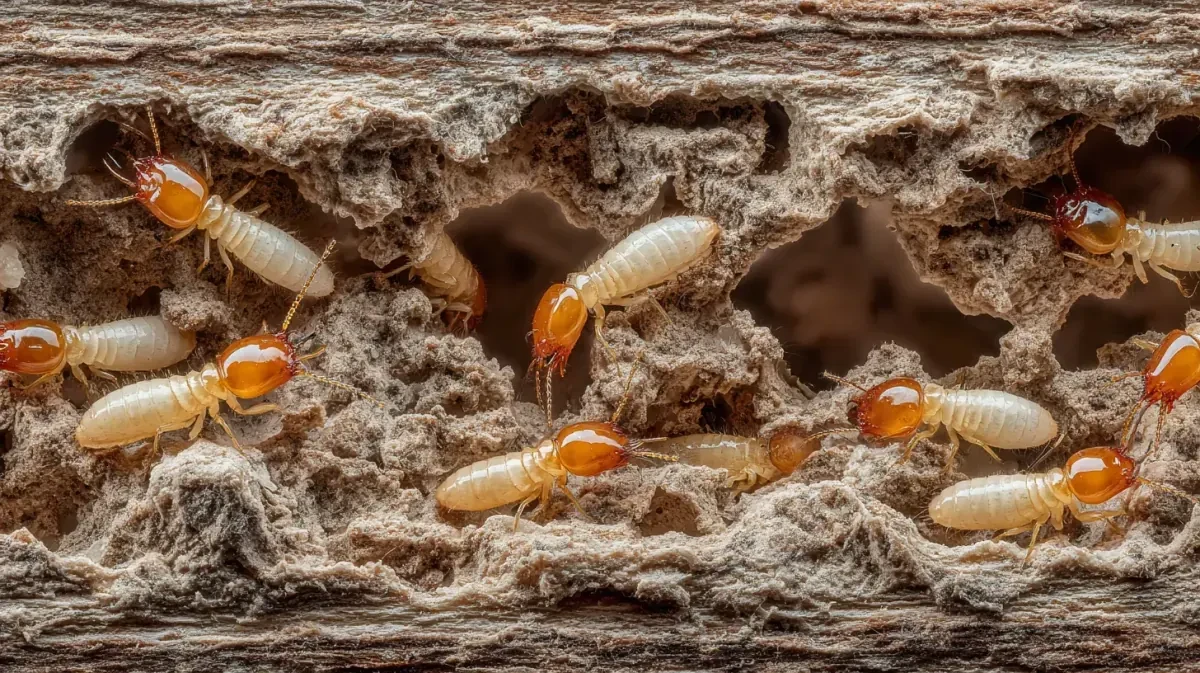
If you’ve never had a termite inspection — a thorough check for termites, also known as white ants — the process can feel like a black box. Here’s exactly what happens from the moment we arrive, so there are no surprises.
Before the Inspection
You don’t need to do much to prepare. It helps to have clear access to:
- The subfloor entry point (if your home has a subfloor) — usually a manhole or hatch outside or in a laundry
- The roof manhole — usually in a hallway ceiling
- Built-in wardrobes and cupboards — these are checked along interior walls where termite activity often first appears
- The garage — particularly where timber frames meet the slab edge
If furniture or stored items are blocking these areas, moving them before we arrive saves time. But it’s not essential — we work around what’s there.
The Inspection Process: What We Do and Why
A thorough residential termite inspection takes 1–2 hours depending on the size and construction type of your home. The inspection covers all accessible areas in a systematic sequence.
External perimeter
We start outside, inspecting the full perimeter of the home. We’re looking for:
- Mud leads (shelter tubes) running up the foundation or along pipes
- Termite workings in timber in contact with or close to the soil — fence posts, garden sleepers, timber steps, deck posts
- Moisture problems that create ideal termite conditions — leaking downpipes, poor drainage, garden beds built up against the wall
Internal inspection
Moving inside, we check every room along the skirting boards, window frames, and doorframes. We pay particular attention to wet areas (bathrooms, laundries, under sinks) where moisture from plumbing leaks can soften timber and attract termites.
We also check built-in joinery along external walls and internal walls adjacent to a subfloor or roof void — the routes termites typically use to travel through a home.
Subfloor
If your home has a subfloor, this is one of the most important areas to inspect. We enter the subfloor and visually check all accessible timber — bearers, joists, stumps — as well as the soil surface for termite workings.
Roof void
The roof void is checked for live termite activity in roof trusses and sarking, and for moisture problems that can attract termites from above.
The Tools We Use
Visual inspection alone misses a significant amount of activity — termites work inside timber and walls without breaking the surface. We use:
- Thermal imaging cameras — detect heat differentials caused by termite activity and moisture behind walls and under floors. A cluster of live termites generates measurable heat; moisture from a leak shows as a cold spot.
- Moisture meters — probe into timber to detect elevated moisture levels, which indicate either active termites, moisture damage, or both
- Tapping/sounding — a standard technique where hollow-sounding timber indicates internal damage or live workings
None of these methods is infallible in isolation. Used together, they build a picture that’s far more reliable than any single technology.
The Inspection Report
You’ll receive a detailed written report — typically within 24 hours — that includes:
- A summary of findings (active termites, past damage, conducive conditions)
- Photos of any areas of concern
- A risk rating for the property
- Recommendations for treatment, proofing, or monitoring
The report is a permanent record of the property’s termite status at the time of inspection, which is useful for insurance purposes, property sales, and tracking changes over time.
What Happens If Termites Are Found?
If we find active termites during the inspection, we’ll discuss termite treatment options with you before leaving. We won’t start any treatment without your agreement on scope and cost.
The treatment approach depends on the species, extent of activity, and construction type of your home. Options range from direct chemical injection to a full perimeter barrier to a baiting system — each suited to different situations. We’ll explain the options clearly so you can make an informed decision.
If there’s no active infestation but conducive conditions are present (moisture, timber-soil contact, proximity to known termite activity in the area), we’ll note those and recommend remediation steps to reduce risk.
Need Professional Pest Control?
Our licensed technicians serve Seaford and surrounding southern suburbs with transparent pricing and eco-friendly treatments. Get your free quote in 30 seconds.