DIY Pest Control vs Professional Treatment: What Works?
Not every pest problem needs a professional. But some pest problems will get worse — not better — if you treat them yourself. Here’s an honest guide from a local pest controller on where the line is.
When DIY Pest Control Works
There are situations where store-bought products and good housekeeping genuinely do the job:
Minor ant trails indoors. A small number of ants following a food source can often be disrupted by cleaning the trail (a mix of dish soap and water destroys the pheromone path), eliminating the food source, and using a surface spray or gel bait. Gel baits are particularly effective because workers carry the bait back to the colony.
Occasional spider sightings. One or two spiders spotted in the house don’t warrant a professional call-out. Regular vacuuming to remove webs, sealing gaps around doors and windows, and reducing outdoor lighting (which attracts insects that attract spiders) will reduce pressure significantly.
Single rodent sighting. A single mouse that has found its way in can sometimes be handled with a snap trap placed along a wall. Rodents travel along edges, so placement matters more than bait choice.
In all of these cases, the key qualifier is “minor” and “isolated.” As soon as you’re dealing with recurring activity, multiple locations, or signs of an established colony or nest, the equation changes.
When to Call a Professional
There are pest problems where DIY not only fails — it can actively make things worse:
Termites
This is the clearest case. If you suspect termites — mud tubes, hollow-sounding timber, discarded wings near windows — do not disturb them. Do not spray. Do not break open the mud tube. Termites respond to disturbance by splitting into multiple satellite colonies, potentially spreading through your home’s structure in ways that are far more expensive to treat.
A professional termite inspection uses thermal imaging cameras and moisture meters to map the extent of activity before any treatment begins. The treatment plan — barrier, baiting system, or direct injection — is chosen based on the species, the extent of the infestation, and the structure of your home. There is no equivalent DIY option.
Rodent colonies
One mouse is manageable. A colony is not. Signs of a colony include multiple droppings in different rooms, gnaw marks in multiple locations, scratching noises in walls or ceiling cavities, and persistent sightings. Colonies require systematic baiting and trapping across multiple entry points, combined with proofing the entry points themselves. Misplaced bait stations or partial treatment just relocates the problem.
Recurring cockroach infestations
German cockroaches in particular are notorious for developing resistance to over-the-counter sprays. If you’ve treated with a surface spray and the cockroaches return within weeks, you’re likely dealing with a resistant population. Professional treatments use a rotation of active ingredients and application methods — gel baits in harborage areas, crack-and-crevice applications, insect growth regulators — that break the breeding cycle rather than just killing visible adults.
Wasp nests
Never approach an active wasp nest without protective equipment and an appropriate product. A disturbed nest can produce hundreds of stings in seconds. This is an unambiguous “call a professional” situation.
The Hidden Cost of Getting It Wrong
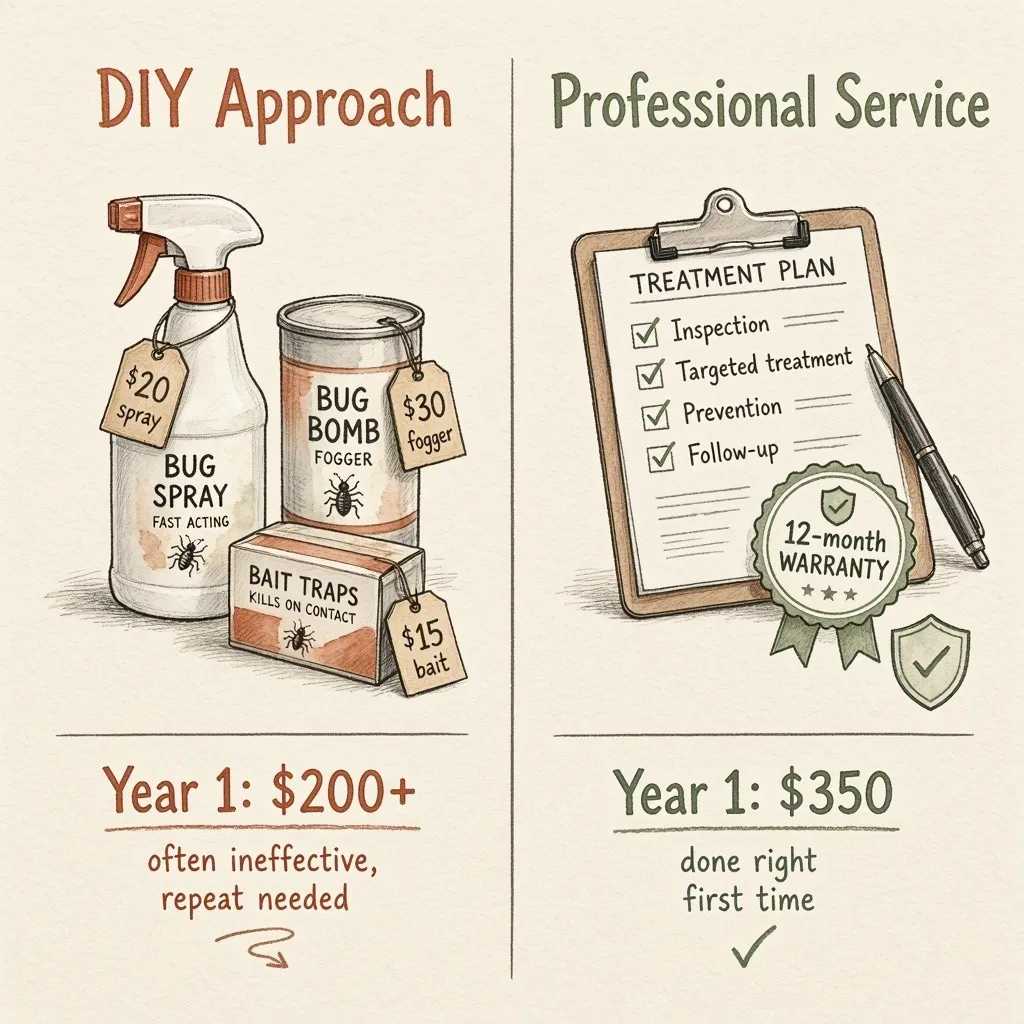
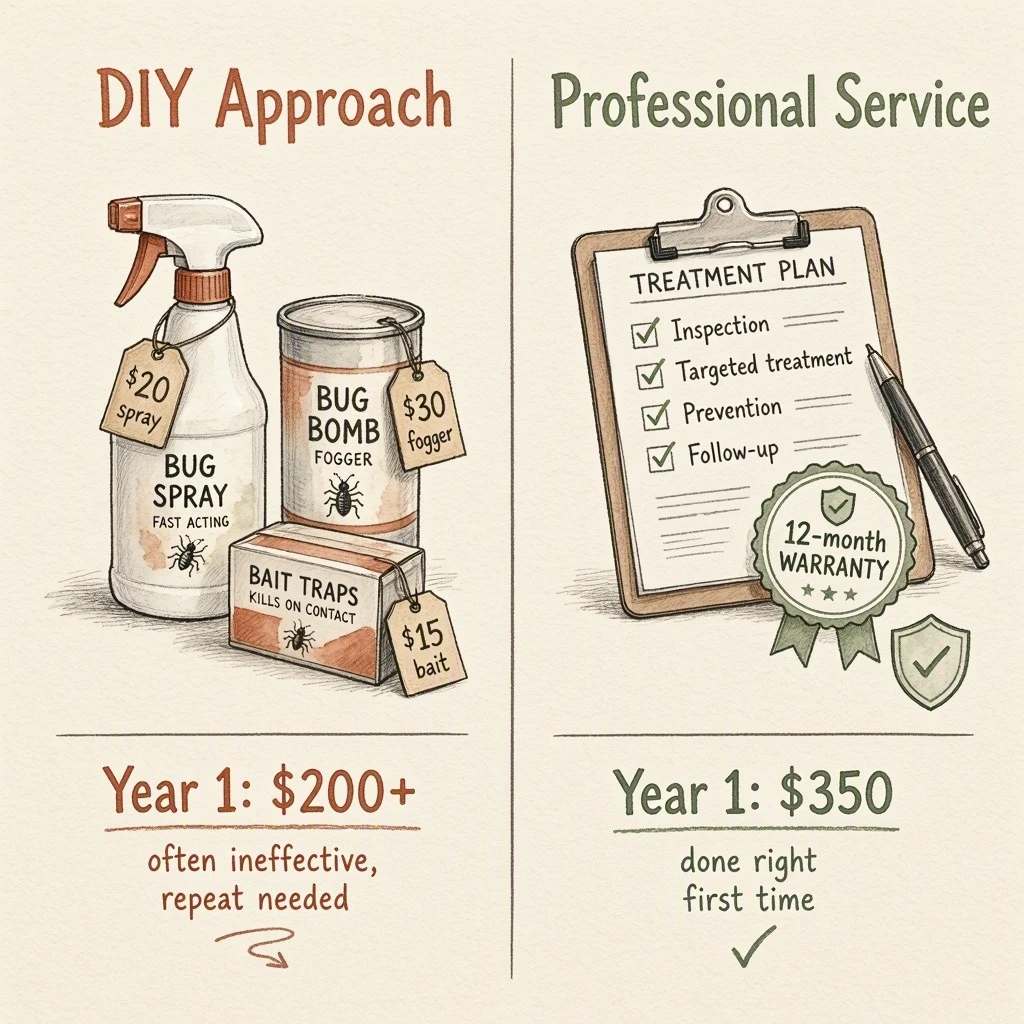
The appeal of DIY is obvious — a can of surface spray from the hardware store costs $15. But the maths changes quickly when:
- Partial treatment of a termite colony gives it time to spread further before a professional is finally called
- Repeated failed rodent treatments delay proper proofing, allowing the colony to grow
- Resistance develops in a cockroach population because the same product was used repeatedly without success
A professional inspection typically costs less than a round of store-bought products that don’t solve the problem, and it comes with an accurate diagnosis.
The Honest Middle Ground
If you’re unsure whether you have a minor or serious problem, a professional inspection gives you a clear answer with no obligation to proceed with treatment. For most pest problems, knowing exactly what you’re dealing with is half the battle.
When in doubt, call before you spray — not after.
Need Professional Pest Control?
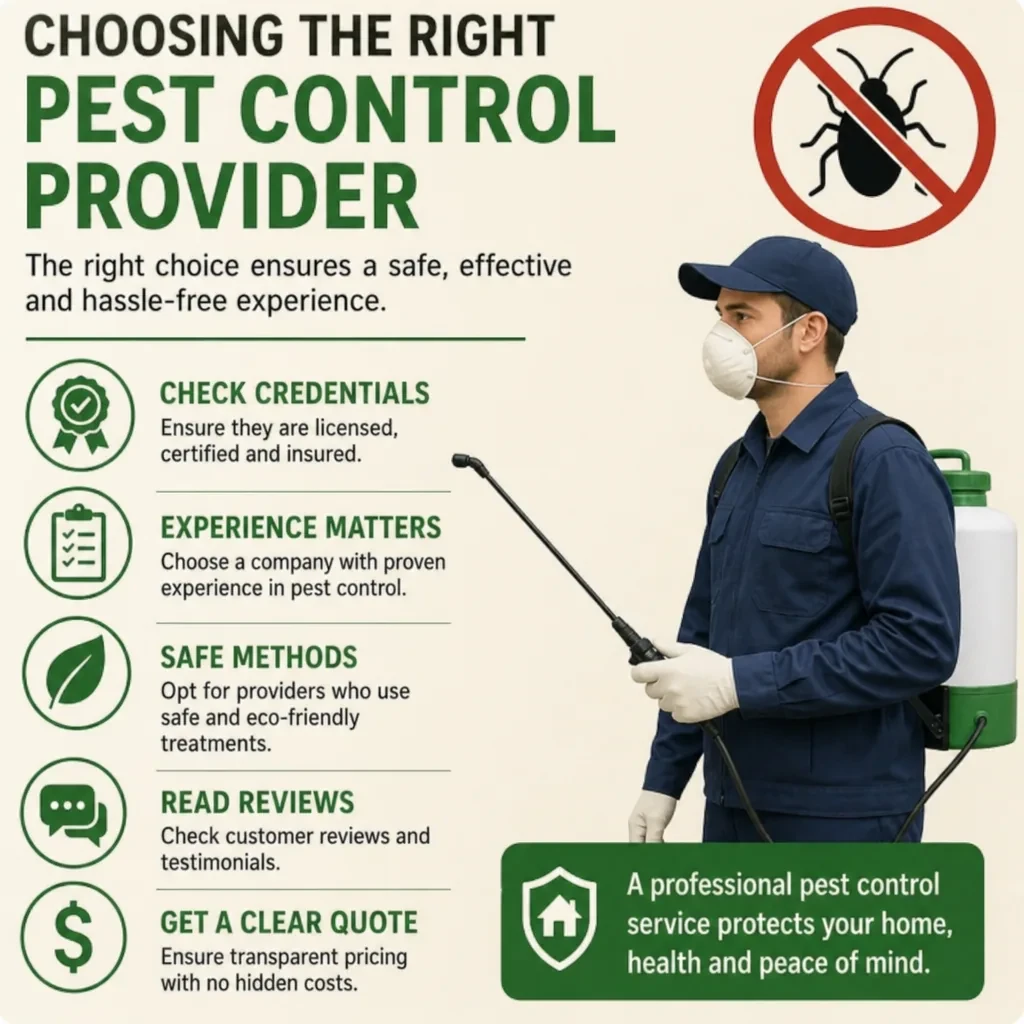
Our licensed technicians serve Seaford and surrounding southern suburbs with transparent pricing and eco-friendly treatments. Get your free quote in 30 seconds.